K-Culture World

Beauty · 2026. 8. 23.

The 4-Step Korean Skincare Method for a Complete Routine

BY 김민중

The 4-Step Korean Skincare Method for a Complete Routine

How to Identify Your Skin Type Before Starting Skincare

To design the right skincare routine, you must first accurately identify your skin's condition. This is because suitable ingredients and textures vary depending on your skin type, such as dehydrated oily, sensitive, or dry skin. Simply observing your skin objectively can help you reduce unnecessary product use and minimize stress on your skin.

Checklist by Skin Type

  • Dry Skin: If you experience significant tightness after washing and frequent flaking, you need high-moisture products that replenish both oil and hydration.
  • Oily Skin: If you struggle with active sebum production and shine, choose light, gel-type moisturizers and toners that balance oil and water levels.
  • Combination Skin: If your T-zone is oily and your U-zone is dry, it is efficient to layer products of different concentrations on specific areas.

Tips for Analyzing Your Skin Condition

After washing your face, leave it bare for about 10 minutes and check its condition. If it feels tight all over, it is classified as dry; if only the T-zone becomes oily, it is combination; and if the entire face becomes shiny, it is oily. Based on this analysis, the first key to skincare is determining whether your skin currently lacks hydration or has excess oil to build your product lineup. It is important to make it a habit to check your skin regularly, as your skin condition can change with the seasons.
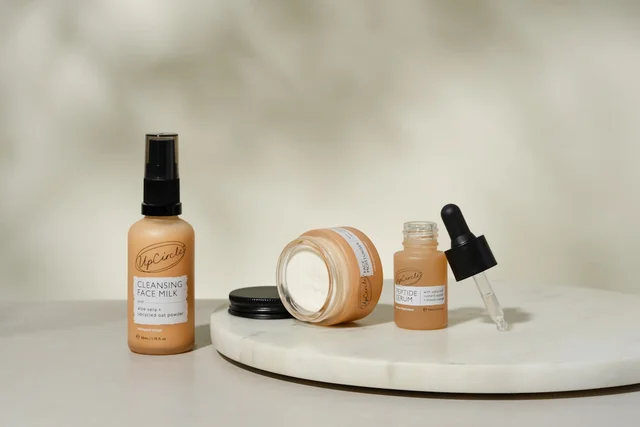
Skincare Sets by Type

SHOP THE LOOK: Skincare Sets by Type

The 4 Essential Steps of a Skincare Routine

Korean skincare routines are characterized by layering hydration while minimizing skin irritation. The key to increasing absorption is applying products in order of consistency, from thinnest to thickest. By delivering nutrients deep into the skin step-by-step, you can maintain a healthy skin barrier.

Effective Skincare Steps

  • Cleansing: The process of removing impurities from the skin's surface to create a base that allows active ingredients in the next steps to be absorbed well.
  • Toner: Acts to wipe away remaining residue after washing and refines skin texture to open up moisture pathways.
  • Essence and Serum: Provides concentrated nutritional ingredients tailored to specific skin concerns (brightening, wrinkles, soothing, etc.).
  • Cream: The final protective step that forms an oil barrier to lock in moisture and prevent the previously applied products from evaporating.

Increasing Absorption at Each Step

For every step, you can increase absorption by gently wrapping your face with the warmth of your palms. Rather than rubbing, patting the product into the skin is more effective for reducing irritation. It is recommended to layer product on concern areas during the essence step, and the secret to preventing pilling is to ensure each product is fully absorbed before applying the next.

Precautions and Management for Enhanced Skincare Results

If you are consistent with your daily skincare but see slow improvement, you should check for incorrect habits. Excessive exfoliation can actually break down your skin barrier, and using too many products can clog pores. It is most important to stick to appropriate amounts and frequencies that keep your skin feeling comfortable.

Proper Management Habits

  • Exfoliation Frequency: 1–2 times per week is appropriate depending on your skin type; choose gentle enzyme powders or mild peelings.
  • Sun Protection: The final step of your daytime skincare must be sunscreen. UV rays are the primary cause of skin aging.
  • Sleep and Hydration: As much as external care, getting enough sleep and drinking over 2 liters of water a day normalizes the skin's internal turnover cycle.

Skincare Habits to Avoid

One common mistake many people make is washing their face with water that is too hot. This washes away the skin's natural moisturizing factors, leading to dryness. Always use lukewarm water to wash your face, and when drying with a towel, pat gently rather than rubbing forcefully. Additionally, when using a new product, it is safe to first test a small amount behind your ear or on the inside of your wrist to check for allergic reactions. Remember that consistency is the most powerful skincare, and we recommend keeping a record of your skin's changes as you manage it.

Frequently Asked Questions

What is the correct order for applying skincare products?+

As a rule of thumb, skincare products should be applied from the thinnest to the thickest consistency. Start by refining your skin texture with toner, supply nutrients with essence or serum, and finish by forming an oil barrier with cream to lock in moisture. Applying them this way increases absorption and makes your skin feel much more comfortable.

What are some skincare tips for oily skin?+

The key to oily skincare is controlling excess sebum while providing sufficient hydration. It is better to choose light, gel-type creams or high-moisture toners rather than heavy, oil-based products. Also, it is effective to manage the T-zone lightly while applying thin layers of moisturizer to the drier U-zone.

What should I look for when choosing skincare products for sensitive skin?+

When choosing products for sensitive skin, it is important to check the ingredient list and avoid items containing potential irritants like artificial fragrances, dyes, or alcohol. We recommend products containing centella asiatica extract or panthenol, which help soothe the skin. Always perform a patch test before using a new product to ensure there is no adverse reaction.

Share

Show us your style! Share with #kcultureworld on Instagram & TikTok.

About the author

김민중

Writes practical guides to Korean beauty and food for overseas readers — Olive Young, convenience stores, and how-to tips.

More from 김민중

Related Posts

Comments

No sign-up or login required.

No comments yet. Be the first to comment.