K-Culture World

Beauty · 2026. 9. 29.

All About Sun Care: The Ultimate UV Protection Guide from K-Beauty Experts

BY 김민중

All About Sun Care: The Ultimate UV Protection Guide from K-Beauty Experts

Why Sun Care is the Core of Skin Management

Sun care is not just about avoiding summer sunlight; it is an essential process for protecting your skin's innate health by blocking UV rays, the primary cause of aging. In Korean skincare culture, sunscreen is considered both the final step of a basic skincare routine and the first step of anti-aging.

The Effects of UV Rays on Skin

  • UVA penetrates deep into the skin, reducing elasticity and causing wrinkles.
  • UVB acts on the epidermal layer, causing redness and pigmentation.
  • UV exposure can occur even indoors through windows and everyday lighting.

Understanding UV Protection Ratings

SPF and PA ratings on sunscreen indicate the scope and intensity of protection. SPF measures UVB protection, with higher numbers indicating a longer duration of protection. PA is the UVA protection grade, where more '+' symbols indicate stronger protection. For daily office environments, SPF 30 and PA++ are sufficient, while SPF 50+ and PA++++ products are recommended for days with extensive outdoor activity. Applying sunscreen 20 minutes before going out is the best way to ensure it adheres evenly to the skin for maximum effectiveness.

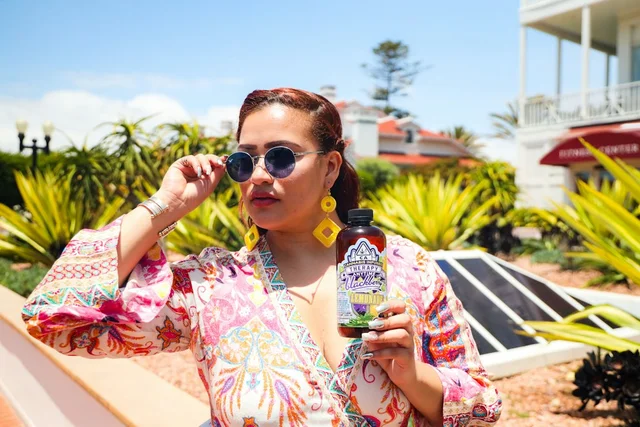
Best Sunscreen Picks

SHOP THE LOOK: Best Sunscreen Picks

Criteria for Choosing Sun Care by Skin Type

Choosing a sun care product tailored to your skin type is crucial as it is a daily essential. Sunscreens are categorized into physical (mineral) and chemical filters based on their ingredients and texture, each with distinct pros and cons.

Physical vs. Chemical Sunscreens

  • Physical sunscreens form a barrier on the skin surface to physically reflect UV rays.
  • Chemical sunscreens absorb into the skin and chemically break down UV rays, releasing them as heat.
  • Those with sensitive skin often prefer physical sunscreens for their lower irritation, while those who dislike white casts prefer chemical formulas.

Choosing Textures Based on Skin Concerns

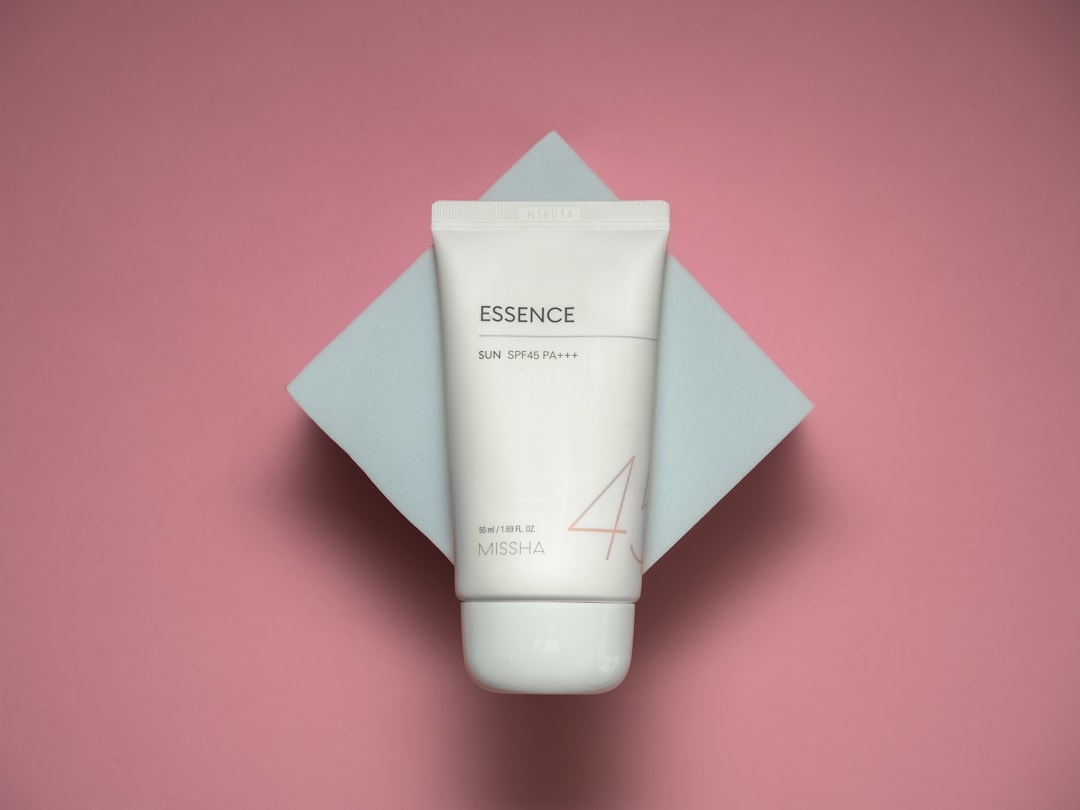
If you have oily skin, choose a lightweight lotion or gel-type sunscreen to prevent unwanted shine. Conversely, those with dry skin should use cream-type products containing moisturizing ingredients to maintain hydration. Recent K-beauty trends favor essence-type formulas that apply transparently without a white cast, as well as sun sticks and sun cushions that are easy to reapply over makeup. Choosing a texture that fits your lifestyle and skin concerns is the key to consistent, long-term care.

Sun Care by Skin Type

SHOP THE LOOK: Sun Care by Skin Type

Proper Sun Care Routine and Cleansing

To fully reap the benefits of sun care, you must pay attention to the amount applied, the frequency of reapplication, and thorough cleansing. A common mistake many make is not using a sufficient amount of product.

Sunscreen Habits

  • Apply an amount roughly the size of two finger lengths evenly across your entire face.
  • Reapplication every 2–3 hours is recommended; use a sun cushion for touch-ups over makeup.
  • Don't forget to apply thoroughly behind the ears and down to the neckline.

The Importance of Cleansing

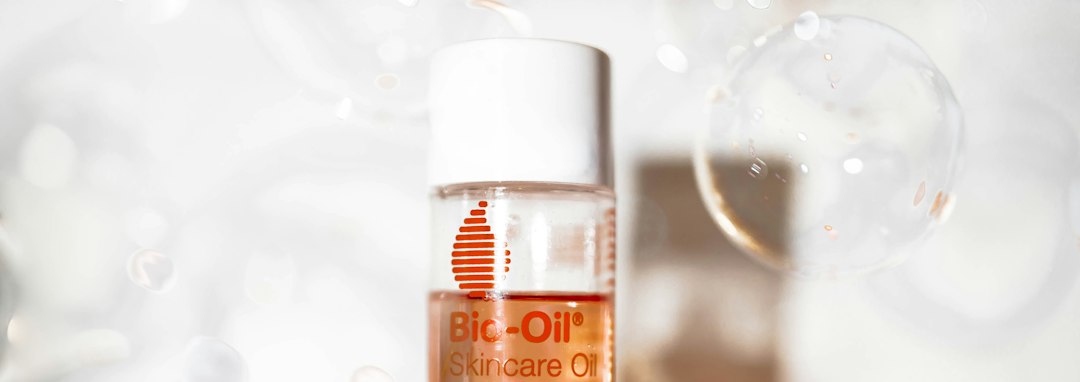
Because sunscreen is designed to adhere strongly to the skin, regular washing may leave residue behind. Products with waterproof functions, in particular, require a first cleanse with a cleansing oil or balm. Follow this with a second cleanse using a foam cleanser to clean deep into the pores, which is essential for preventing breakouts. Thorough cleansing every evening reduces skin fatigue, ensuring a healthier skin condition the next morning.

Recommended Cleansers

SHOP THE LOOK: Recommended Cleansers

Frequently Asked Questions

Is sun care necessary even on cloudy days?+

Yes, sun care must be practiced even on cloudy or rainy days. UV rays penetrate clouds and reach the ground, affecting our skin through atmospheric scattering. Since UV exposure on cloudy days is significant, it is necessary to make applying sunscreen the final step of your morning routine every day.

What should I do if I get breakouts after using sunscreen?+

If you experience breakouts, the product's ingredients or texture may not be suitable for your skin. If your skin is sensitive to chemical filters, try switching to a physical sunscreen containing zinc oxide or titanium dioxide. Additionally, thorough double-cleansing to ensure no residue remains can help prevent breakouts.

When is the most effective time to reapply sunscreen?+

While it depends on activity levels and environment, it is generally recommended to reapply every 2–3 hours. If you are sweating heavily or swimming, the protective barrier is easily removed, so you should reapply more frequently. If you are wearing makeup, using a sun cushion or spray-type product is an efficient way to maintain protection without ruining your look.

Share

Show us your style! Share with #kcultureworld on Instagram & TikTok.

About the author

김
김민중

Writes practical guides to Korean beauty and food for overseas readers — Olive Young, convenience stores, and how-to tips.

More from 김민중 →

Comments

No sign-up or login required.

No comments yet. Be the first to comment.