K-Culture World

Beauty · 2026. 9. 19.

All About Sun Care: An Expert Guide to UV Protection from K-Beauty

BY 김민중

All About Sun Care: An Expert Guide to UV Protection from K-Beauty

Why is daily sun care necessary?

Sun care isn't just for summer vacations; it is an essential skin protection routine that must be practiced 365 days a year, both indoors and outdoors. UV rays are the primary culprit behind skin aging and accelerate the development of dark spots and blemishes. In Korea, using sunscreen as the final step of a skincare routine is considered highly important.

The effects of UV rays on the skin

  • UVA: Penetrates deep into the skin, reducing elasticity and causing wrinkles.
  • UVB: The primary cause of sunburns on the skin's surface and hyperpigmentation.
  • Indoor environment: UV rays entering through windows also provide continuous stimulation to the skin.

The importance of daily habits

Making it a habit to apply sunscreen every morning after your basic skincare routine is a key factor in determining skin health. Sunscreen creates a thin protective barrier on the skin's surface, shielding it from external harmful environments. In particular, Korean beauty brands offer a wide range of products with non-sticky, easy-to-apply formulas, making it very easy to choose a product that suits your skin type. Consistent daily use is an investment in your long-term skin health.

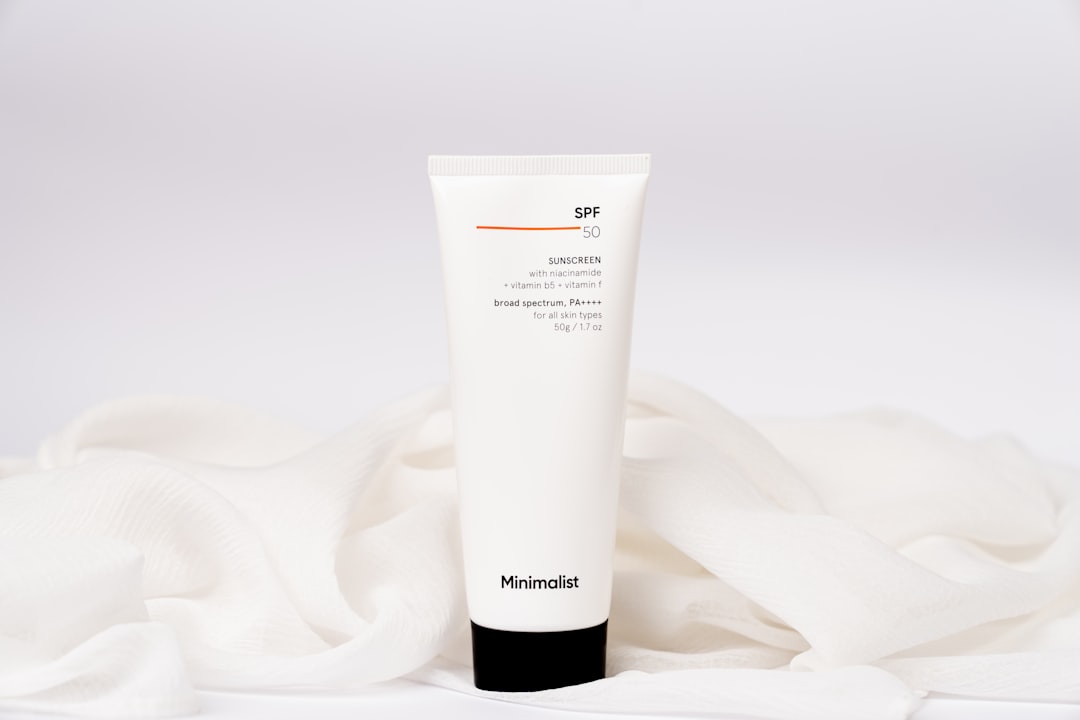
Best Sunscreen Picks

SHOP THE LOOK: Best Sunscreen Picks

How to choose sun care products by skin type

When selecting a sun care product, considering your skin type and your daily activities is more important than anything else. This is because the ideal sunscreen formula varies depending on whether your skin is dry, oily, or sensitive.

Choosing a formula based on skin type

  • Dry skin: Moisturizing cream or lotion types containing hydrating ingredients are suitable.
  • Oily skin: Gel types with sebum control or light, refreshing finishes, or matte formulas are recommended.
  • Sensitive skin: It is better to check for mineral (physical) sunscreen ingredients, which are generally less irritating than chemical filters.

Understanding protection ratings

SPF (Sun Protection Factor) indicates the level of UVB protection, while PA (Protection Grade of UVA) indicates the level of UVA protection. For daily indoor activities, SPF30/PA++ is sufficient, but for heavy outdoor activities or days with intense UV exposure, it is recommended to choose an SPF50+/PA++++ product. Checking the ingredient list on the back of the product to ensure there are no components that might trigger allergies is also an essential step. Building the skin's natural strength through consistent care is key.

Sunscreen by Skin Type

SHOP THE LOOK: Sunscreen by Skin Type

3 steps to applying sun care correctly

To ensure a product performs at its best, the amount applied and the method of application are crucial. Many people tend to apply less than the recommended amount, which reduces the protective effect.

Step-by-step application

  • Step 1: Apply an appropriate amount evenly over the entire face 20–30 minutes before going out.
  • Step 2: Apply an extra thin layer to areas prone to sun exposure, such as the cheekbones and bridge of the nose, for concentrated protection.
  • Step 3: During prolonged outdoor activities, reapply every 2–3 hours to maintain the protective barrier.

Precautions and tips

Sunscreen must be thoroughly washed off after returning home. If you used a waterproof product, it is recommended to double-cleanse using a cleansing oil or balm to ensure no residue remains. Additionally, prepping your skin with a moisturizer before applying sunscreen helps the product adhere smoothly without pilling. Remember that sun care doesn't end with application; following through with thorough cleansing is essential to prevent breakouts and maintain healthy skin.

Cleansing & Care Tools

SHOP THE LOOK: Cleansing & Care Tools

Frequently Asked Questions

Do I need to wear sun care products indoors every day?+

It is recommended to use sun care products every day, even when indoors, to protect your skin from UV rays that enter through windows. Since UVA rays can penetrate glass and reach deep into the skin, making it a habit to apply sunscreen as the last step of your morning skincare routine is encouraged to maintain healthy skin and prevent aging.

What is the difference between mineral and chemical sunscreens?+

Mineral sunscreens form a barrier on the skin to reflect UV rays and are generally less irritating, while chemical sunscreens absorb UV rays and break them down into heat, often offering a better, non-white-cast finish. If you have sensitive skin, mineral sunscreen is recommended; if you prioritize texture and makeup adhesion, chemical sunscreen is often the better choice.

What is the best way to reapply sunscreen to increase its effectiveness?+

To maintain sun protection, the key is to reapply every 2–3 hours during outdoor activities. If you are wearing makeup, using a sun stick or sun cushion is very convenient. These products are practical because they allow you to replenish your UV protection barrier without causing your makeup to clump or smudge.

Share

Show us your style! Share with #kcultureworld on Instagram & TikTok.

About the author

김민중

Writes practical guides to Korean beauty and food for overseas readers — Olive Young, convenience stores, and how-to tips.

More from 김민중

Comments

No sign-up or login required.

No comments yet. Be the first to comment.