K-Culture World

Beauty · 2026. 9. 30.

All About Sun Care: An UV Protection Guide from K-Beauty Experts

BY 김민중

All About Sun Care: An UV Protection Guide from K-Beauty Experts

Why Is Sun Care the Core of Skin Management?

In the K-beauty skincare routine, sun care is not just a seasonal necessity for summer, but an essential practice to follow all year round. Ultraviolet (UV) rays are the primary cause of photoaging, the leading external factor behind pigmentation and loss of skin elasticity.

The Importance of UV Protection

  • Preventing Photoaging: Ultraviolet A (UVA) rays penetrate deep into the dermis, destroying collagen and causing wrinkles.
  • Preventing Pigmentation: Ultraviolet B (UVB) rays cause sunburn, dark spots, and freckles on the skin's surface.
  • Maintaining the Skin Barrier: Protecting the skin from external irritants helps maintain consistent overall skin condition.

Daily UV Protection Guide

For daily care, sunscreen must be the final step of your morning skincare routine before heading out. Many people overlook the fact that UV exposure occurs even indoors. UV rays entering through windows can pass through glass, making consistent protection necessary even inside. Additionally, since sunscreen needs time to be absorbed into the skin to become effective, it is best to apply it 20–30 minutes before going out. It is important to check the SPF and PA ratings to select a product suitable for your activity level. On days with lots of outdoor activity, opt for SPF 50+/PA++++ products, while for primarily indoor days, lighter formulations are a smart way to reduce the burden on your skin.
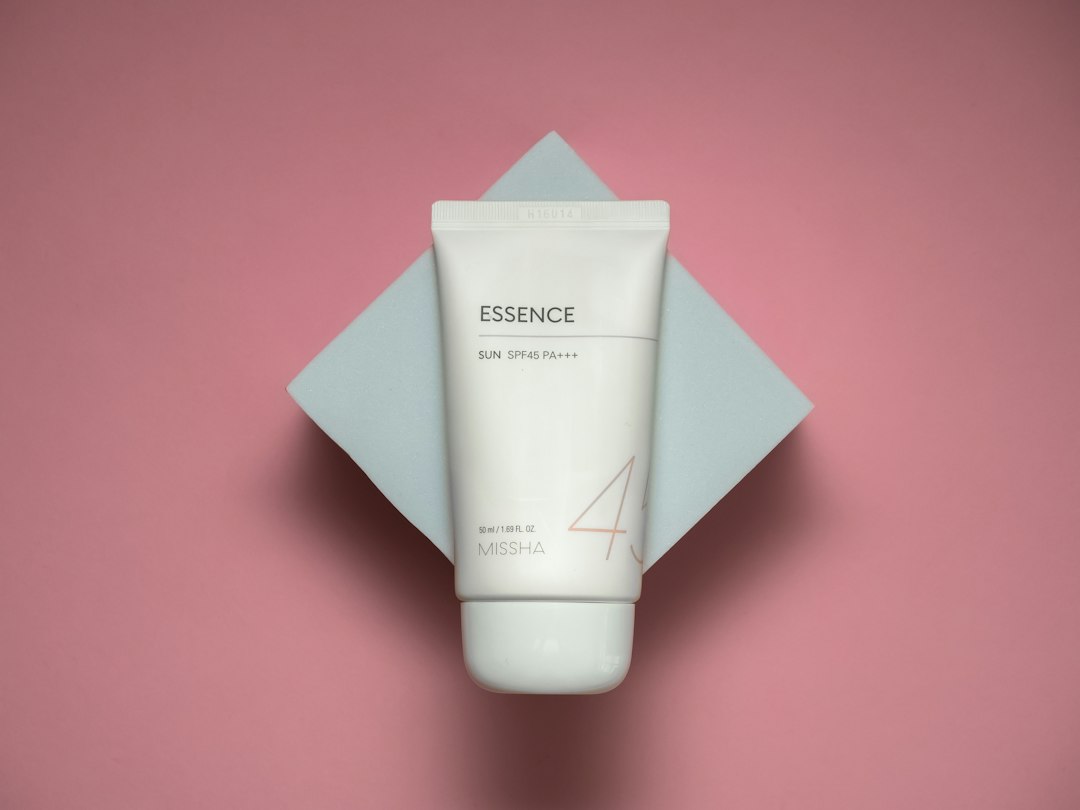
Daily Sunscreen Picks

SHOP THE LOOK: Daily Sunscreen Picks

Criteria for Choosing Sun Care by Skin Type

To choose the right sunscreen for you, you must first accurately identify your skin type. The K-beauty market offers a wide range of products with diverse formulations and ingredients.

Choosing Formulations by Skin Type

  • Dry Skin: Moist cream types or essence formulations containing hydrating ingredients are ideal.
  • Oily Skin: Lotion or gel types that offer sebum control or a fresh, matte finish are recommended.
  • Sensitive Skin: Products containing physical (mineral) blockers that sit on the surface rather than chemical absorbers are recommended.

Classification by Protection Method

Sunscreens are broadly divided into physical and chemical blockers. Physical blockers form a protective shield on the skin surface to reflect UV rays, which has the advantage of causing less skin irritation. Conversely, chemical blockers absorb UV rays and convert them into heat; these often have less of a white cast and apply smoothly, making them great for use under makeup. Recently, many hybrid products have been released that combine the benefits of both. Choosing the right type based on your skin condition, preferred texture, and whether or not you wear makeup is the best way to protect your skin. It is a good habit to check the ingredient list on the back of the product to ensure it is free of potential allergens.

Sun Care by Skin Type

SHOP THE LOOK: Sun Care by Skin Type

Proper Application and Cleansing Methods

Just as important as buying a good sunscreen is applying it correctly and removing it thoroughly. Using the wrong method can reduce protection or cause skin trouble.

Effective Application Tips

  • Use the Correct Amount: Apply a generous amount—about two finger lengths—evenly across your entire face.
  • Reapplication: Sunscreen effectiveness fades over time, so reapplication every 2 to 3 hours is key.
  • Don't Forget the Neck and Ears: Apply thoroughly not just to your face, but also to easily exposed areas like the back of your neck, ears, and the back of your hands.

The Importance of Double Cleansing

Because most sunscreens are oil-based and adhere strongly to the skin, they may not be completely removed by a regular foaming cleanser alone. Residual sunscreen can clog pores and cause breakouts, so we recommend double cleansing: use a cleansing oil or water to dissolve the oils first, followed by a second cleanse with a foam cleanser. This is especially vital if you have used a waterproof product. After cleansing, it is helpful to provide deep hydration using an aloe gel or a soothing moisture mask to calm skin irritated by UV rays. By maintaining a consistent routine of UV protection and deep cleansing, you can keep your skin healthy and clear for a long time.

Cleansing Essentials

SHOP THE LOOK: Cleansing Essentials

Frequently Asked Questions

Why should I apply sunscreen 30 minutes before going out?+

Sun care products require a certain amount of time to activate and form a protective barrier after application. Chemical blockers, in particular, need to be absorbed into the skin to begin the process of breaking down UV rays, so applying them well in advance is the most effective way to maximize protection.

Is sun care necessary even indoors?+

Sun care is essential even indoors. UVA rays can penetrate through glass windows and reach deep into the skin. Even if you spend most of your time inside, you may be exposed to UV rays near windows or from certain types of lighting, so it is a good habit to use a lightweight sunscreen to protect your skin.

What is the best way to remove sunscreen?+

Since sun care products are often oil-based, it is best to first gently dissolve them with a cleansing oil or cleansing balm. Following this with a foam cleanser (double cleansing) ensures that no residue is left behind, preventing clogged pores and skin breakouts. If you use sunscreen daily, this thorough evening cleansing routine is essential.

Share

Show us your style! Share with #kcultureworld on Instagram & TikTok.

About the author

김
김민중

Writes practical guides to Korean beauty and food for overseas readers — Olive Young, convenience stores, and how-to tips.

More from 김민중 →

Comments

No sign-up or login required.

No comments yet. Be the first to comment.