K-Culture World

Beauty · 2026. 9. 18.

The Perfect Sun Care Routine and Product Selection Tips from a K-Beauty Expert

BY 김민중

The Perfect Sun Care Routine and Product Selection Tips from a K-Beauty Expert

Why Daily Sun Care is Essential

Sun care is not just for summer beach days; it is a vital habit to protect your skin indoors and outdoors, 365 days a year. UV rays trigger photoaging—the primary culprit behind skin aging—and are a direct cause of hyperpigmentation and loss of elasticity. K-beauty prioritizes maintaining the skin's natural health, which is why sunscreen is emphasized as the final step of any skincare routine.

Types of UV Rays and Their Impact on Skin

  • UVA: Penetrates deep into the skin, reducing elasticity and causing wrinkles.
  • UVB: Causes sunburn on the skin's surface, leading to redness and pigmentation.
  • Indoor Environment: UV rays can pass through windows, making daily protection necessary.

Understanding Sunscreen Labels

  • SPF: The UVB protection index; higher numbers indicate a longer duration of protection.
  • PA: The UVA protection grade; more plus signs (+) indicate stronger protection.
  • Broad-Spectrum: Choosing a product that effectively blocks both UVA and UVB is paramount.

Proper sun protection plays a key role in shielding the skin barrier and maintaining healthy skin condition in the long term. A habit of applying it thoroughly every morning as the final step of your skincare routine can significantly reduce future skin damage.
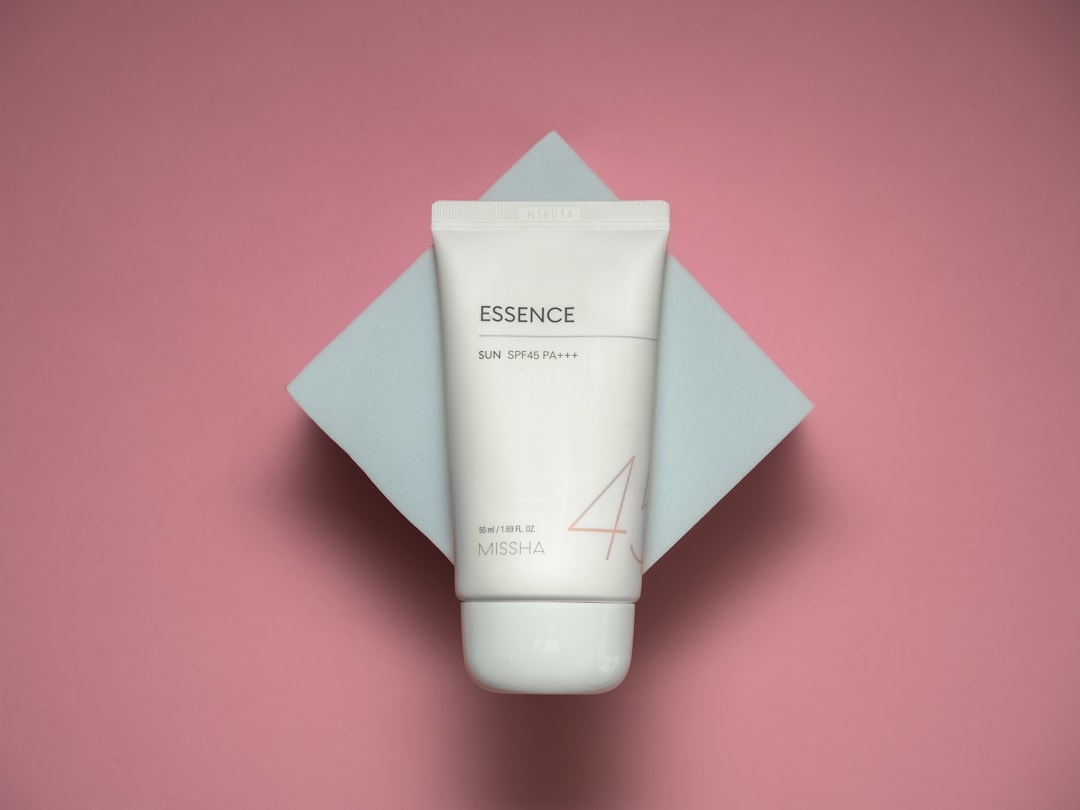
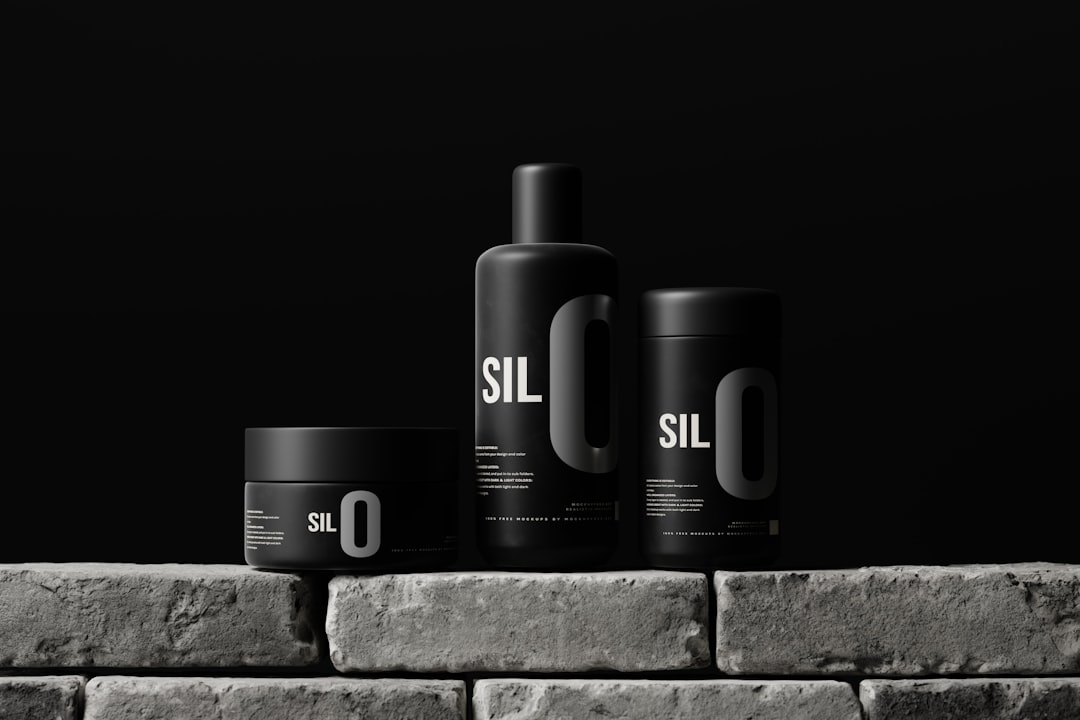
Daily Sunscreen Picks

SHOP THE LOOK: Daily Sunscreen Picks

Criteria for Choosing Sun Care by Skin Type

Selecting a sunscreen suited to your skin type is key to enhancing comfort and preventing breakouts. Dry skin benefits from moisturizing formulations, while oily skin is better suited to matte, oil-free textures. The K-beauty market offers a wide variety of formulas, so you should choose based on your specific skin concerns.

Choosing Formulations Based on Skin Concerns

  • Dry Skin: Moist cream types containing ceramides or hyaluronic acid.
  • Oily and Combination Skin: Lotions with sebum-control functions or lightweight essence types.
  • Sensitive Skin: Physical sunscreens (mineral filters) that sit on the surface rather than chemical absorbers.

Mineral vs. Chemical Sunscreens

  • Mineral Sunscreen: Forms a barrier on the skin surface to reflect UV rays; less irritating but may leave a white cast.
  • Chemical Sunscreen: Absorbs UV rays and releases them as heat; spreads easily with almost no white cast.

Consider how sensitive your skin is to external irritation and whether you wear makeup frequently when choosing a formula. For those with sensitive skin, it is essential to check the ingredient list to ensure there are no potential allergens.

Sunscreen by Skin Type

SHOP THE LOOK: Sunscreen by Skin Type

The Correct Sun Care Routine to Maximize Effectiveness

Effective sun care depends on the amount of product used and the timing of application. Many people make the mistake of using too little product or applying it only right before heading out. For sunscreen to adhere perfectly and form a protective shield, it requires sufficient time and an adequate amount.

The Correct Application Steps

  • Timing: Apply generously to the entire face at least 20–30 minutes before going outside.
  • Recommended Amount: Use a sufficient amount, roughly the length of two fingers, for the entire face.
  • Reapplication: Reapply every 2–3 hours to maintain protection, which is mandatory during long outdoor activities.

Tips for Using with Makeup

  • Over makeup, use a sun cushion or sun spray to easily touch up your protective shield.
  • Importance of Cleansing: Because sunscreen adheres well to the skin, you must double-cleanse in the evening to remove all residue.

Sun care doesn't stop at application; it includes thorough removal at the end of the day. Proper cleansing keeps pores clear and helps improve the absorption of skincare products the next day.

Frequently Asked Questions

Why should I apply sun care products every day?+

Sun care products should be used daily to protect your skin from UV rays that enter through windows, even when indoors. UV rays are a major cause of skin aging, dark spots, and freckles, and they can penetrate clouds even on overcast days. Therefore, making sunscreen the final step of your morning skincare routine is crucial for long-term skin health.

What do SPF and PA mean when choosing sun care?+

The SPF index indicates the effectiveness of blocking UVB rays that cause redness, while the PA grade measures protection against UVA rays that reduce skin elasticity. A higher SPF number means a longer duration of UVB protection, and more plus signs after PA indicate stronger UVA protection. We recommend SPF30/PA++ or higher for daily use, and SPF50+/PA++++ for outdoor activities.

How should I cleanse my face after using sun care products?+

On days you use sun care products, double-cleansing is recommended to completely remove the UV-blocking ingredients that adhere to the skin. First, use a cleansing oil or balm to gently dissolve makeup and sunscreen residue, then follow up with a foam cleanser. Thorough cleansing prevents clogged pores, helping to prevent breakouts and maintain your skin's natural condition.

Share

Show us your style! Share with #kcultureworld on Instagram & TikTok.

About the author

김민중

Writes practical guides to Korean beauty and food for overseas readers — Olive Young, convenience stores, and how-to tips.

More from 김민중

Comments

No sign-up or login required.

No comments yet. Be the first to comment.