
K-Culture World

Beauty · 2026. 8. 8.

All About Sun Care: 3 Key Pillars of Korean Skincare

BY 김민중

All About Sun Care: 3 Key Pillars of Korean Skincare

Why is a sun care routine important for skin health?

In K-beauty, sun care is not just for summer beach days; it is the cornerstone of a 365-day skincare routine. UV rays are the primary culprits behind skin aging, and failing to block them properly can lead to rapid pigment spots and loss of elasticity.

Basic principles of UV protection

  • Apply a generous amount 30 minutes before heading out to ensure the product adheres well to the skin.
  • Apply thoroughly to all exposed areas, including the neck, behind the ears, and the backs of the hands, not just the face.
  • Even indoors, UV rays penetrate through windows, so it should be approached as part of your daily care.

Selection criteria by skin type

Choosing a formula that suits your skin type is crucial. For dry skin, a cream type with moisturizing ingredients is recommended, while oily skin benefits from lightweight, refreshing lotions or essence types. In the Korean market, 'hybrid' sunscreens, which combine the benefits of chemical sunscreens (no white cast, easy to spread) and physical sunscreens (low irritation), are currently popular. It is best to check the SPF (UVB protection) and PA (UVA protection) ratings to match your environment. Generally, SPF 30 and PA+++ are sufficient for daily life, while SPF 50+ and PA++++ are more effective for prolonged outdoor activities.
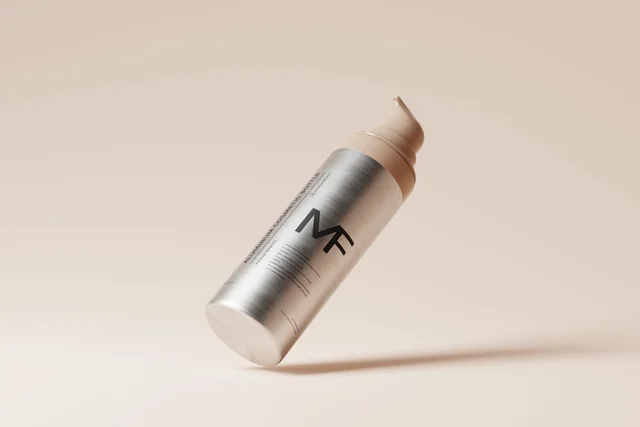
Daily Sun Care Picks

SHOP THE LOOK: Daily Sun Care Picks

3 Ways to Use Sun Care Products Correctly

Proper application can maximize your UV protection. Many people overlook the amount of product used and the frequency of reapplication.

Proper dosage and reapplication

  • Apply a sufficient amount, roughly the length of two fingers, evenly across the entire face.
  • Reapply every 2–3 hours to maintain protection; sun cushions or sun sticks are convenient options for use over makeup.
  • If you used a water-resistant product, it is recommended to use a dedicated cleanser to remove it.

Minimizing skin irritation

Sunscreen contains physical or chemical ingredients, so thorough cleansing is essential. In the evening, use a cleansing oil or balm to completely remove residue and prevent clogged pores. If you have sensitive skin, check the ingredient list for potential allergens. Furthermore, if you experience stinging or redness after application, stop using the product immediately and soothe your skin with aloe gel or Cica products. Proper usage is more than just applying a product; it is a vital part of maintaining your skin's natural condition.

Sun Care Accessories

SHOP THE LOOK: Sun Care Accessories

Skin Soothing and After-Care Immediately After Sun Exposure

Skin exposed to UV rays tends to heat up and lose moisture. Therefore, after-care involving immediate cooling and hydration is necessary to restore the skin to its original state.

Cooling steps to lower skin temperature

  • Use a chilled sheet mask to quickly reduce skin heat.
  • Soak cotton pads in a toner containing soothing ingredients like Centella Asiatica extract or Aloe Vera and use them as a DIY pack.
  • Lowering skin temperature helps normalize sebum production and prevent pore enlargement.

Hydration and barrier reinforcement

The process of applying and removing sunscreen can weaken the skin barrier. After cleansing, apply a generous amount of moisturizer containing ceramides or panthenol to strengthen the barrier. Storing your moisturizer in the refrigerator can provide an immediate cooling effect. Additionally, drinking plenty of water and consuming fruits rich in Vitamin C helps provide antioxidant protection from within, assisting in the recovery of UV-induced damage. Consistently following this routine will help you maintain clear, healthy skin for a long time.

Frequently Asked Questions

Should I wear sun care products every day?+

Yes, daily application is the key to preventing skin aging, regardless of whether you are indoors or outdoors. UVA rays penetrate deep into the skin through windows, causing dark spots and wrinkles, so it is best to make sunscreen the final step of your daily skincare routine.

What is the difference between physical and chemical sunscreens?+

Physical and chemical sunscreens are distinguished by how they block UV rays. Physical sunscreens form a barrier on the skin to reflect UV rays, while chemical sunscreens absorb UV rays and break them down through chemical reactions. If you have sensitive skin, we recommend physical sunscreens, while those who prefer a finish without white cast may prefer chemical sunscreens.

How should I cleanse after using sun care products?+

Thorough double cleansing is essential on days you wear sunscreen. First, use a cleansing oil or balm to dissolve the oil-based sunscreen ingredients, then follow up with a mild, low-pH foaming cleanser to gently wash away residue, which helps keep pores clear and prevents breakouts.

Share

Show us your style! Share with #kcultureworld on Instagram & TikTok.

About the author

김민중

Writes practical guides to Korean beauty and food for overseas readers — Olive Young, convenience stores, and how-to tips.

More from 김민중

Related Posts

Olive Young Shopping Guide: K-Beauty Trends and Recommended Products

Beauty · 08/08/26

Olive Young Shopping Guide: K-Beauty Trends and Recommended Products

Olive Young is the premier health and beauty store to discover the latest K-beauty trends. From choosing the right products among thousands of options to tax refund benefits for tourists, we provide a detailed guide for all your beauty shopping needs in Korea.

Comments

No sign-up or login required.

No comments yet. Be the first to comment.