
K-Culture World

Beauty · 2026. 9. 16.

All About Sun Care: 4-Step Korean UV Protection Routine

BY 김민중

All About Sun Care: 4-Step Korean UV Protection Routine

Why Sun Care is the Key to Skin Health

Sun care goes beyond simply avoiding the summer sun; it is the most important beauty routine for preventing skin aging and hyperpigmentation. In Korean skin science, blocking both UVA and UVB rays is considered the foundation, and it is emphasized as an essential final step of your morning skincare routine. Since UV rays can pass through clouds and glass, affecting your skin even indoors, the habit of consistently using products regardless of the weather or location is paramount.

Key Indicators for Sunscreen

  • SPF (Sun Protection Factor): Represents the level of UVB protection; higher numbers indicate a longer duration of protection.
  • PA (Protection grade of UVA): Represents the level of UVA protection; more '+' signs indicate stronger protection.

Daily UV Protection Principles

When choosing a sunscreen, you should consider your skin type and environment. The Korean beauty market offers a variety of formulations, such as hydrating essence types, matte types that control shine, and mineral sunscreens for sensitive skin. If you spend most of your time indoors, a light product with SPF 30 is sufficient, but for prolonged outdoor activities, it is recommended to choose an SPF 50+ product. When applying, it is important to use a sufficient amount—about the size of a 500-won coin—and spread it evenly over the entire face, ensuring you don't miss areas like the back of the ears or neck. Since the protective barrier can be worn away by sweat or friction with clothing, reapplying every 3 to 4 hours is recommended.
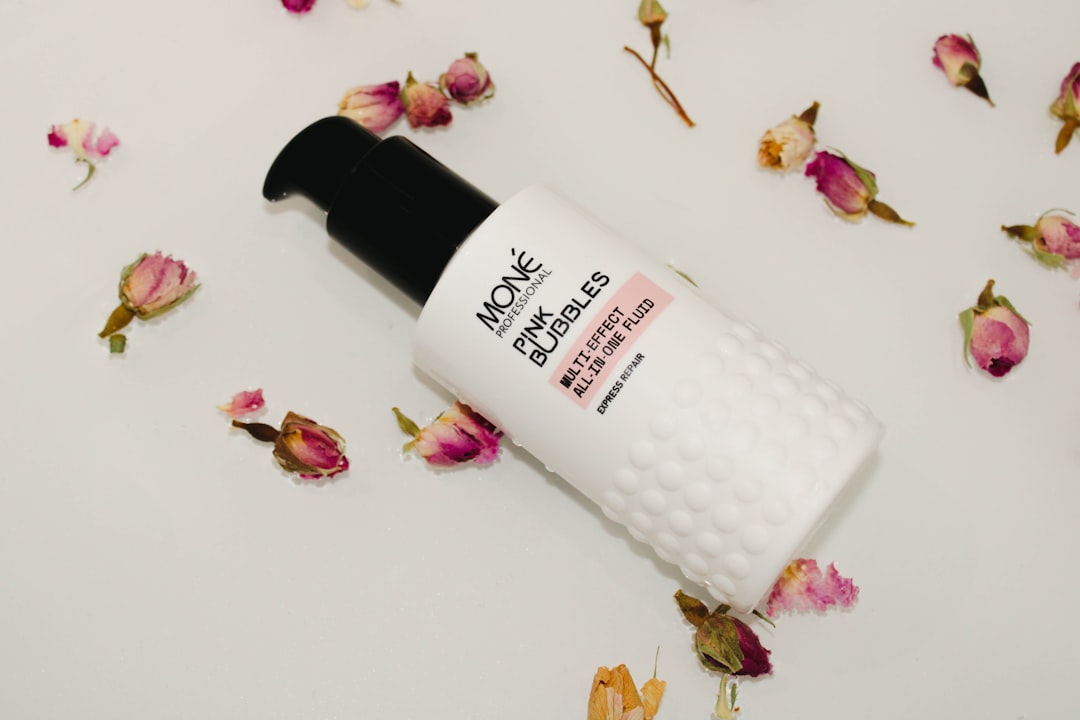
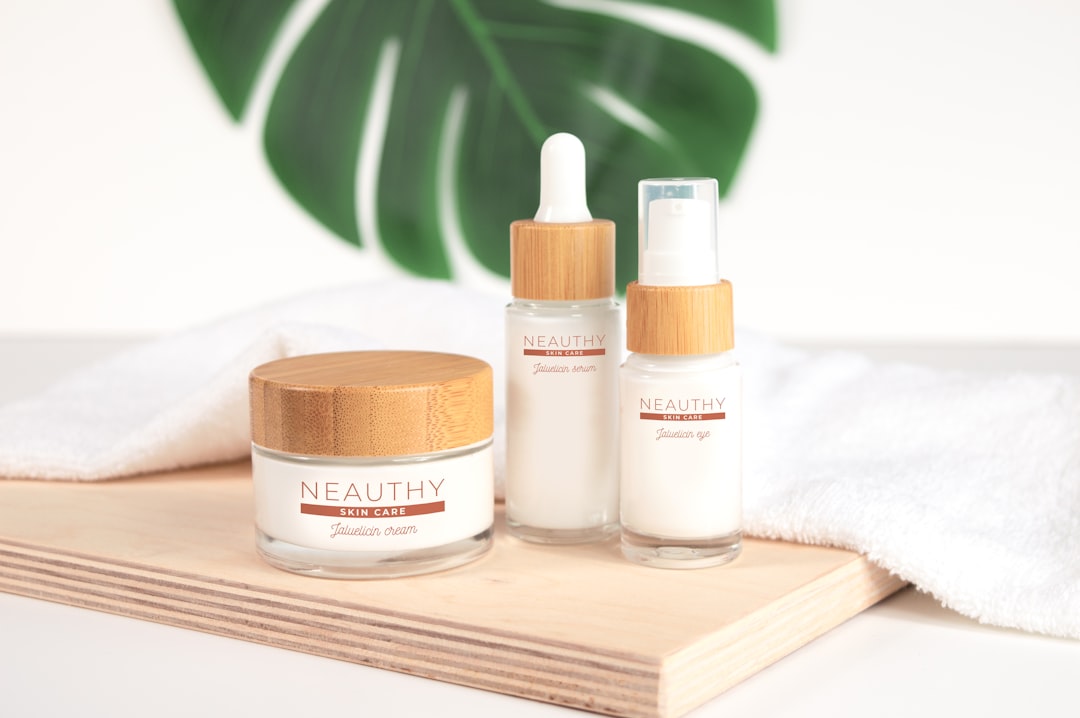
Best Sun Care Products

SHOP THE LOOK: Best Sun Care Products

How to Choose Sun Care Products by Skin Type

Understanding your skin type is the start of successful sun care. For oily skin, products that are low in oil and provide a matte finish are suitable, while dry skin requires cream formulations containing moisturizing ingredients to prevent dryness. For sensitive skin, mineral (physical) sunscreens that minimize irritation are recommended. Korean cosmetic brands are implementing various technologies to meet these segmented needs.

Choosing Formulations Based on Skin Concerns

  • Oily Skin: Refreshing formulations with oil-free and sebum-control functions
  • Dry Skin: Cream formulations enriched with moisturizing ingredients like hyaluronic acid and ceramides
  • Sensitive Skin: Hypoallergenic mineral sunscreens that have passed skin irritation tests

Things to Check When Choosing a Product

When selecting a product, check the full ingredient list to ensure there are no components that could trigger allergies. Recently, many multifunctional products have been released that include blue light protection or anti-pollution (fine dust blocking) features. Depending on your lifestyle, decide whether you want a product that only provides UV protection or one that includes a tone-up effect to replace a makeup base. Most importantly, choose a formulation and scent that you can use consistently every day.

Sunscreen by Skin Type

SHOP THE LOOK: Sunscreen by Skin Type

3 Key Steps to Maximize Sun Care Effectiveness

For effective sun care, the order and method of application are crucial. Many people make the mistake of skipping sunscreen as the last step of their skincare routine or using too little. Because sunscreen must form a uniform barrier on the skin's surface to function properly, learning the correct application routine is essential.

Step-by-Step Application Routine

  • Step 1: Let your base skincare absorb completely (refine skin texture)
  • Step 2: Dispense the correct amount (size of a 500-won coin) based on face area
  • Step 3: Spread thinly and gently pat to improve adhesion

Application Habits to Watch Out For

Instead of rubbing, use your fingertips to pat the product into the skin; this is the secret to reducing irritation and increasing adhesion. If you wear makeup, it is best to wait at least 3 minutes after applying sunscreen for it to fully absorb to prevent pilling. Additionally, applying 20 to 30 minutes before going out helps the UV protective barrier stabilize on the skin. In the evening, double cleansing with a cleansing oil or foam cleanser is essential to ensure no residue is left behind, which is key to preventing skin breakouts.

Frequently Asked Questions

Do I need to apply sun care products every day, even indoors?+

Yes, it is recommended to use sun care products daily because UVA rays can enter through windows and affect your skin even when you are indoors. Protecting your skin from certain light emitted by fluorescent lights or monitors and delaying aging by making sunscreen the final step of your morning routine is the most effective way to maintain skin health.

What do the SPF and PA ratings mean when choosing sun care products?+

SPF indicates the level of protection against UVB rays, with higher numbers meaning a longer duration of protection, while PA is a grade for UVA protection, with more '+' signs indicating stronger protection. For daily indoor activities, SPF 30 and PA++ are appropriate, while for long outdoor activities, it is recommended to choose products with SPF 50+ and PA++++ for powerful protection.

What is the best way to cleanse after using sun care products?+

On days you use sun care products, double cleansing is essential to completely remove the sunscreen ingredients from your skin. First, use a cleansing oil or balm type product to gently melt away the oils in the sunscreen, then use a cleansing foam to wash away any remaining residue. Thorough cleansing prevents clogged pores, helps prevent breakouts, and keeps your skin in a healthy condition.

Share

Show us your style! Share with #kcultureworld on Instagram & TikTok.

About the author

김민중

Writes practical guides to Korean beauty and food for overseas readers — Olive Young, convenience stores, and how-to tips.

More from 김민중

Comments

No sign-up or login required.

No comments yet. Be the first to comment.