K-Culture World

Food · 2026. 7. 28.

The History of Bibimbap and 3 Essential Ways to Enjoy It

BY 김민중

Traditional Bibimbap Bowl Set

What is Bibimbap and What Are Its Characteristics?

Bibimbap is a representative traditional Korean dish where various seasoned vegetables, meat, and gochujang (red chili paste) are added to rice and mixed together. The essence of Bibimbap lies in its harmony; it is characterized by distinct ingredients coming together through gochujang to create a unified flavor. It is gaining global attention not only for the visual pleasure of incorporating the traditional Korean five-color scheme but also as a healthy meal that balances carbohydrates, proteins, and dietary fiber.

Nutritional Value of Bibimbap

  • You can effectively consume vitamins and minerals through a variety of seasoned vegetables.
  • The capsaicin in gochujang helps boost metabolism and stimulates the appetite.
  • It balances protein and dietary fiber by appropriately mixing meat and vegetables.

Principles of Harmonious Flavor

What determines the taste of Bibimbap is the freshness of the ingredients and the blend of the gochujang sauce. Generally, vegetables like bean sprouts, bracken, and bellflower roots are prepared by stir-frying or blanching separately to preserve their unique aromas. Adding stir-fried minced beef or pork enhances the savory depth. Finally, adding a drop of sesame oil is the key to the traditional Korean cooking method for a nutty aroma. Beyond gochujang, you can also use a soy sauce-based dressing for a milder flavor, offering a wide range of choices based on personal preference.
3 Essential Steps to Making Delicious Bibimbap

To properly complete a bowl of Bibimbap, a few step-by-step preparations are necessary. First, it is important to cook the rice so that it is fluffy and not too mushy. This allows the sauce to coat the grains effectively, preserving the unique texture of the dish. Next, it is crucial to maintain the texture of the vegetables; it is essential to squeeze out excess moisture before stir-frying them.

The Standard for Ingredient Preparation

  • Trim the vegetables to an appropriate size so they are not tough.
  • Season the meat with soy sauce, sugar, and garlic before stir-frying.
  • Eggs can be served fried or by adding just the yolk on top.

Cooking Tips for Delicious Bibimbap

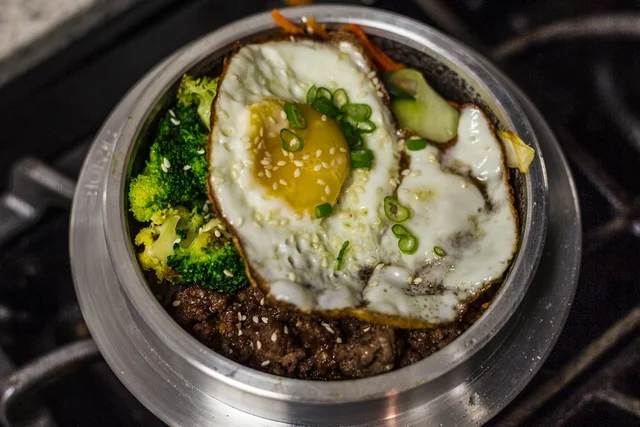
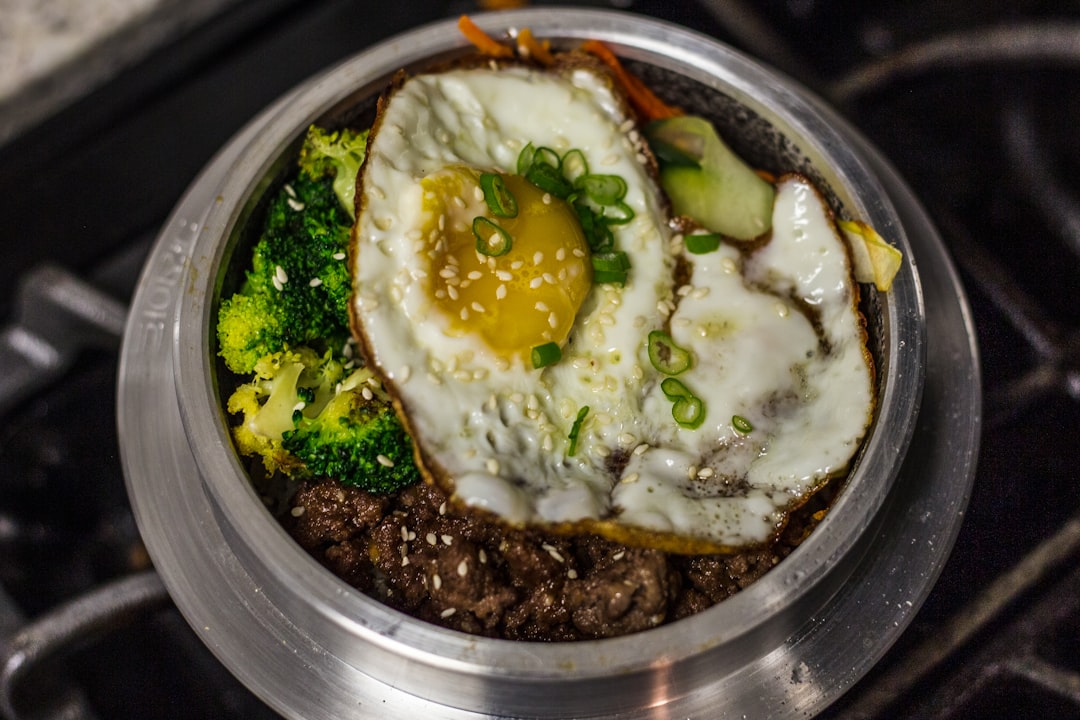
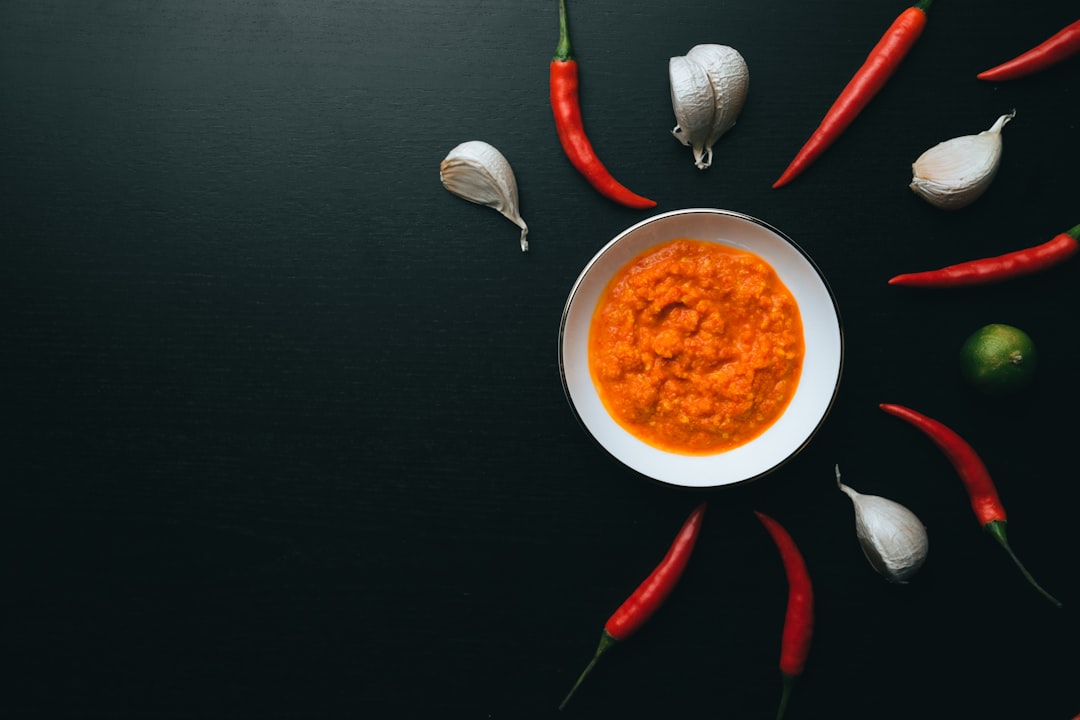
The final factor that determines the flavor of Bibimbap is the gochujang sauce. You can create a much deeper flavor by mixing store-bought gochujang with minced garlic, oligosaccharide, sesame oil, and toasted sesame seeds. If using a stone pot (dolsot), heating the bowl thoroughly before adding the rice will create a crispy layer of scorched rice at the bottom, maximizing the nutty flavor. A pro tip is to use chopsticks rather than a spoon to gently mix the ingredients so the rice grains do not get crushed. Following these steps allows you to achieve restaurant-quality results at home.

What Foods Pair Well With Bibimbap?

While Bibimbap is a fantastic meal on its own, adding side dishes can make the dining experience even richer. Soup dishes or fresh side dishes that can neutralize the spicy flavor of the gochujang enhance overall satisfaction. The best pairings are clear bean sprout soup or seaweed soup. A mild, non-stimulating broth cleanses the palate and makes the flavors of the Bibimbap stand out more.

  • Clear Soups: Bean sprout soup, seaweed soup, egg drop soup, etc.
  • Crunchy Side Dishes: Napa cabbage kimchi, radish water kimchi (nabak-kimchi), cucumber kimchi
  • Protein Additions: Bulgogi, pan-fried tofu, grilled fish

Precautions When Eating

One thing to note when enjoying Bibimbap is the amount of sauce. If you add too much gochujang at once, it becomes difficult to taste the natural flavors of the ingredients, so it is recommended to add it little by little to adjust the seasoning. Also, the more variety of vegetables you use, the more unique the flavor profile becomes due to the combination of ingredients; rather than focusing on just one or two, it is better for both visual appeal and nutrition to arrange a variety of colorful vegetables. In Korean food culture, Bibimbap goes beyond the act of mixing food; it embodies the values of harmony and coexistence.

Frequently Asked Questions

What is Bibimbap and why is it famous?+

Bibimbap is a traditional Korean dish consisting of rice topped with various seasoned vegetables, meat, and gochujang. It is world-renowned as a healthy meal due to its excellent nutritional balance and the harmony of its ingredients, with the added benefit of being customizable to individual preferences.

How do you make delicious Bibimbap?+

To make delicious Bibimbap, cook fluffy rice, remove excess moisture from the vegetables, and enhance the flavor by mixing gochujang with sesame oil and minced garlic. Mixing gently with chopsticks prevents the rice from being crushed, and using a stone pot allows you to enjoy the nutty flavor of crispy scorched rice.

What ingredients are recommended for Bibimbap?+

Seasonal vegetables like bean sprouts, bracken, bellflower roots, and spinach are highly recommended. Adding stir-fried minced beef or pork for protein, and topping it off with a fried egg, seaweed flakes, and sesame seeds will complete a perfect Bibimbap that satisfies both the eyes and the palate.

Share

Show us your style! Share with #kcultureworld on Instagram & TikTok.

About the author

김민중

Writes practical guides to Korean beauty and food for overseas readers — Olive Young, convenience stores, and how-to tips.

More from 김민중

Comments

No sign-up or login required.

No comments yet. Be the first to comment.