What is Bibimbap and why is it special?
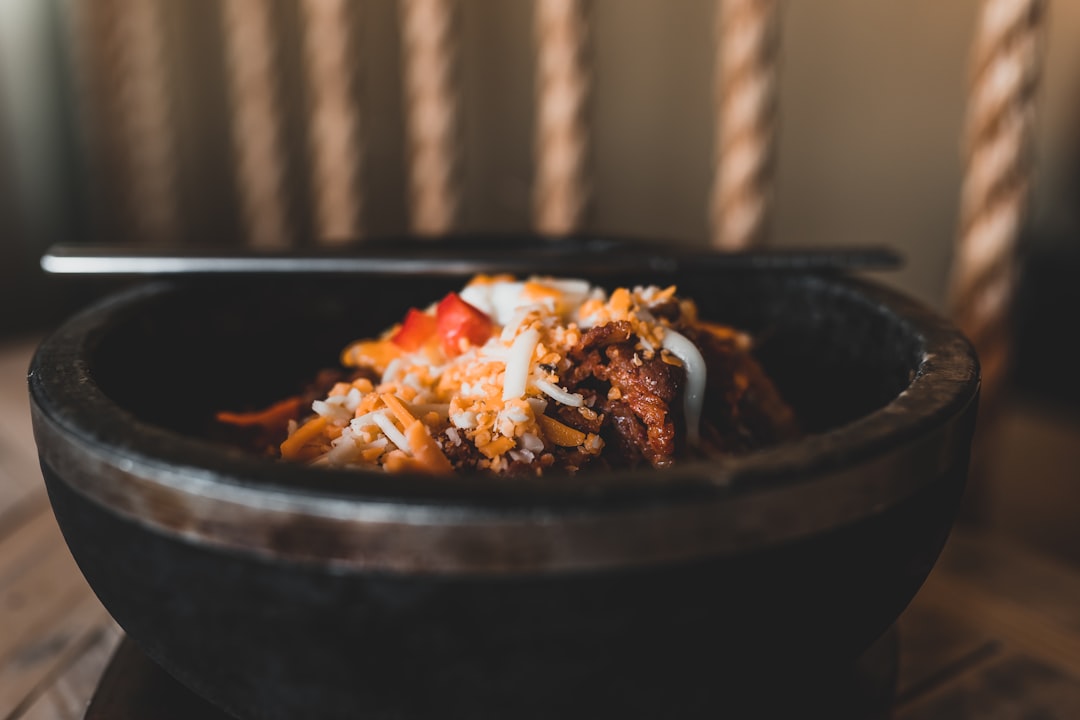
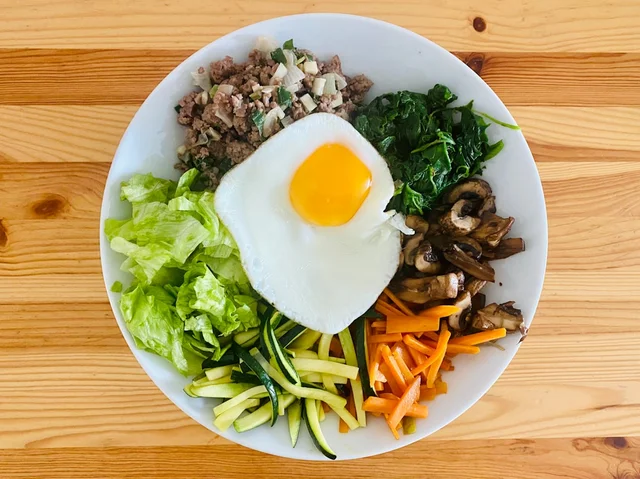
Bibimbap is a traditional Korean dish consisting of freshly cooked rice topped with various seasoned vegetables (namul), meat, and eggs, mixed with gochujang or soy sauce-based seasoning. It is considered a nutritionally balanced meal because it contains carbohydrates, protein, fat, vitamins, and minerals all in one bowl.
Key components of Bibimbap
- Grains: Freshly cooked white rice is the standard, though mixed grains can be used according to preference.
- Vegetables (Namul): Seasonal vegetables such as bean sprouts, bracken, bellflower roots, and spinach are prepared by blanching or stir-frying.
- Protein: Stir-fried beef, minced meat, or a fried egg is added to enhance the flavor.
- Sauce: A gochujang-based spicy sauce is the most popular, though a milder version using soy sauce and sesame oil is also enjoyed.
The meaning of Bibimbap in Korean food culture
In Korean food culture, Bibimbap goes beyond being a simple meal; it symbolizes 'harmony' and 'coexistence.' The process where ingredients with different colors and flavors come together in one bowl to create a new taste reflects the sense of community valued by Koreans. There is a theory that it originated from the custom of using up leftover vegetables during holidays or feasts, which embodies the Korean wisdom of being resourceful with food. Today, Bibimbap is gaining global attention as a healthy meal and is evolving into various fusion dishes.