What is Bibimbap and What Makes It So Appealing?
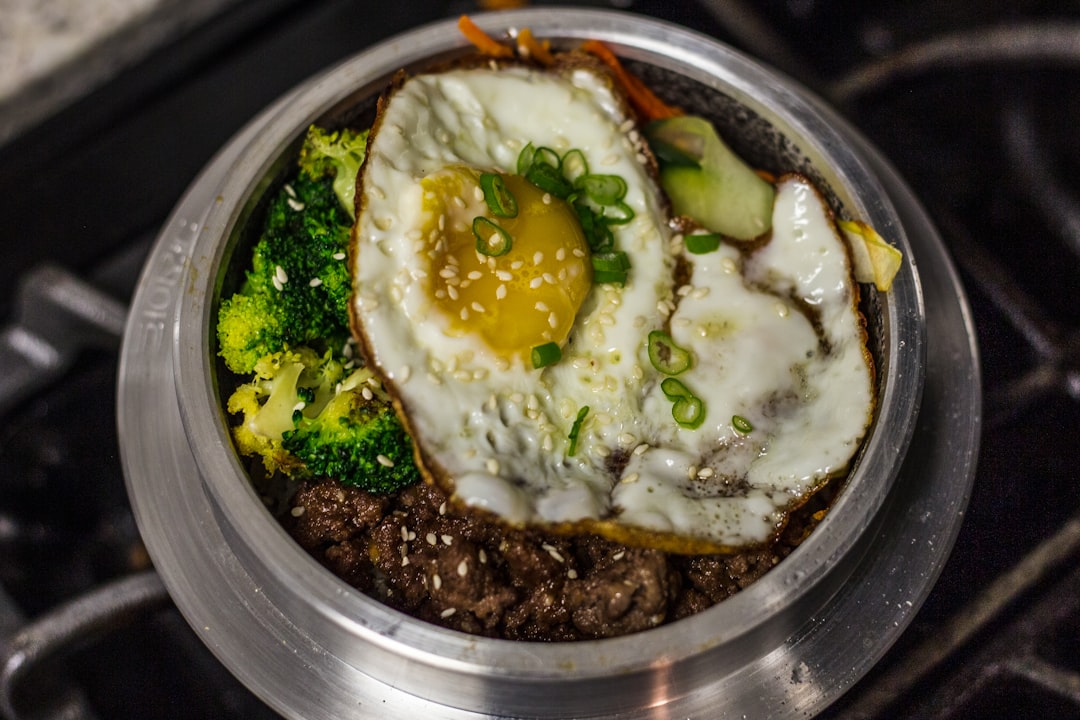
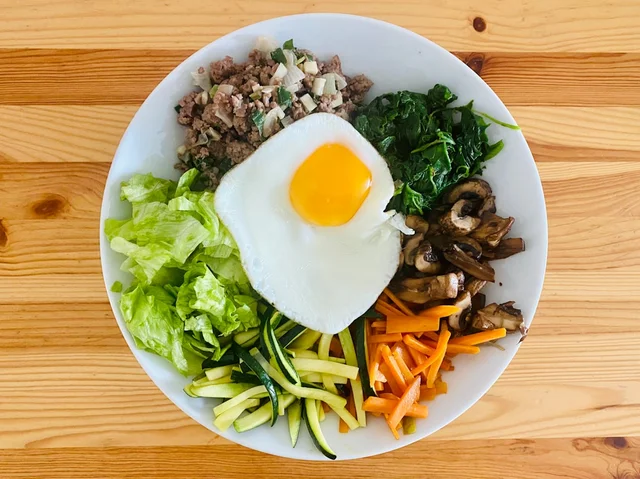
Bibimbap is Korea's signature mixed dish, consisting of fluffy white rice topped with various seasoned vegetables (namul), meat, and a spicy sauce, all mixed together harmoniously. In Korean food culture, Bibimbap is considered more than just a meal; it is a healthy dish that embodies the aesthetic of the five traditional colors (obangsaek) by gathering seasonal ingredients that capture the energy of the time of year.
Key Components of Bibimbap
- Main Ingredients: Fluffy white rice is the base, though barley or multi-grain rice can be used depending on preference.
- Vegetables (Namul): Seasonal vegetables like bean sprouts, spinach, bracken (gosari), and bellflower roots (doraji) are blanched and seasoned.
- Protein Sources: Topped with stir-fried beef, a fried egg, or even a raw egg yolk to add richness.
- Sauce: The key is the bibim sauce, made by mixing gochujang (red chili paste) with sesame oil, sugar, and a splash of water.
Why Bibimbap is Loved
Bibimbap is a nutritionally balanced dish. It contains carbohydrates, protein, vitamins, and dietary fiber in a single bowl, making it a simple yet complete meal. Its flexibility, allowing ingredients to be added or removed based on personal taste, makes it a leading K-food that foreigners can enjoy without hesitation. The spiciness of the gochujang and the nuttiness of the sesame oil stimulate the appetite, while the texture of the vegetables provides a diverse culinary experience.