What is Bibimbap and Why is it Appealing
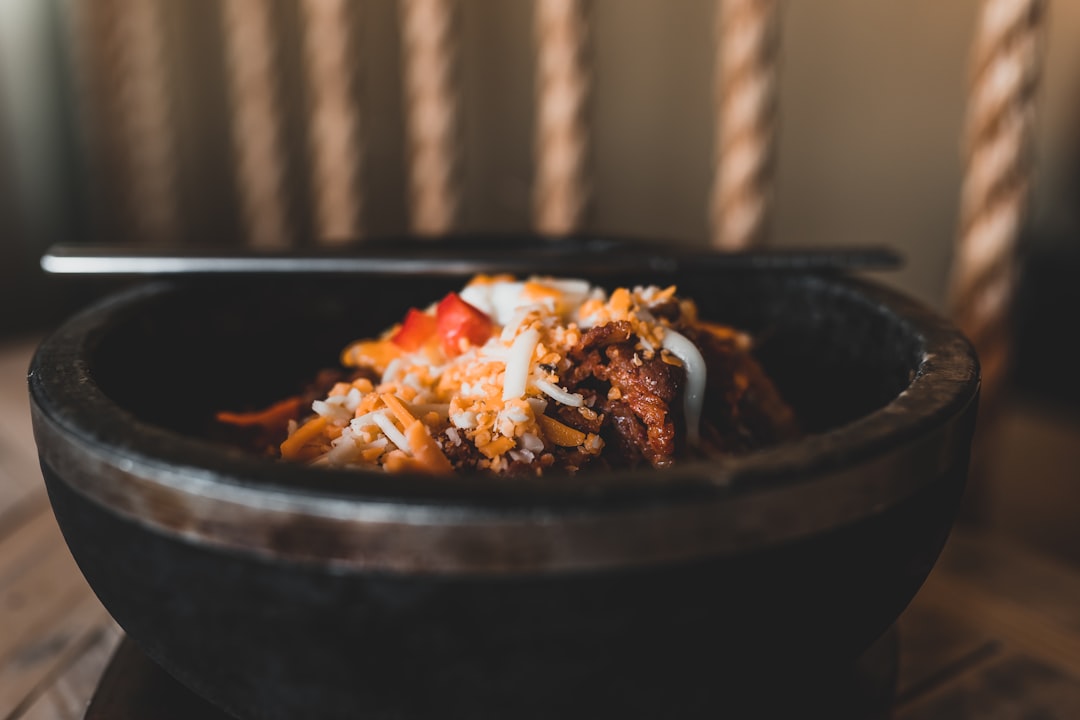
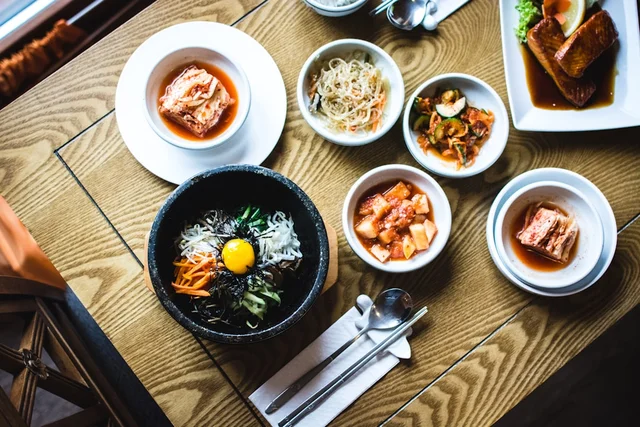
Bibimbap is a quintessential traditional Korean dish consisting of warm rice topped with various seasoned vegetables (namul), meat, and gochujang (red chili paste), all mixed together before eating. Nutritionally, it features a harmonious balance of carbohydrates, protein, vitamins, and minerals, garnering global attention as a healthy meal. It reflects the traditional Korean 'Obangsaek' (five-color) principle, making it visually beautiful while creating a deep, complex flavor through the combination of ingredients.
Nutritional Value of Bibimbap
- Fiber-rich vegetables (namul) support digestive health.
- Adding protein sources like beef or eggs creates a balanced meal.
- The capsaicin in gochujang helps boost metabolism.
The Culinary Culture of the Five Colors
Bibimbap embodies the philosophy of Yin and Yang and the Five Elements, traditionally using ingredients in five colors. White rice, black bracken or mushrooms, yellow egg garnish, green spinach or zucchini, and red carrots or gochujang come together in one bowl. This combination is not just for aesthetics; it is designed to provide a diverse range of nutrients. In modern times, various regional adaptations exist, such as bean sprout bibimbap, stone pot (dolsot) bibimbap, and raw beef (yukhoe) bibimbap, making it a highly flexible dish that can be customized to individual tastes.