What are the 5 core components of Bibimbap?
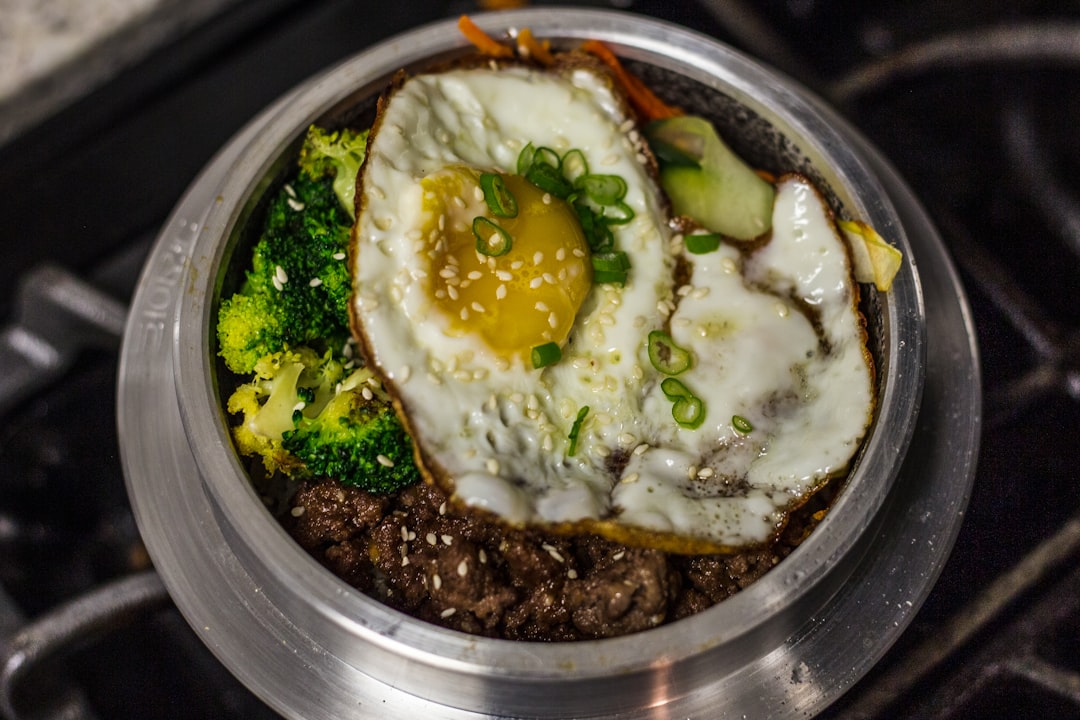
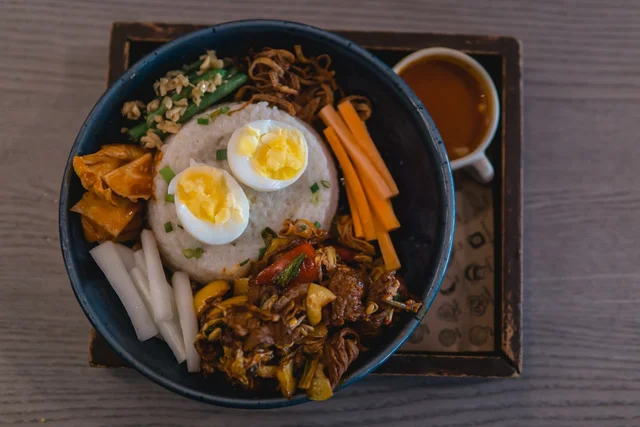
Bibimbap is one of the most beloved dishes on the Korean table, consisting of colorful seasoned vegetables (namul) and meat toppings served over white rice. The ingredients, representing the five traditional colors (obangsaek), provide not only visual appeal but also balanced nutrition. The key to this dish is highlighting the texture of each ingredient and ensuring they harmonize naturally with the gochujang sauce.
Selection criteria for main ingredients
- Bean sprouts or mung bean sprouts: It is important to blanch them briefly to maintain a crisp texture.
- Bracken (gosari) and bellflower root (doraji): Sauté in perilla oil to bring out their unique aroma and deep flavor.
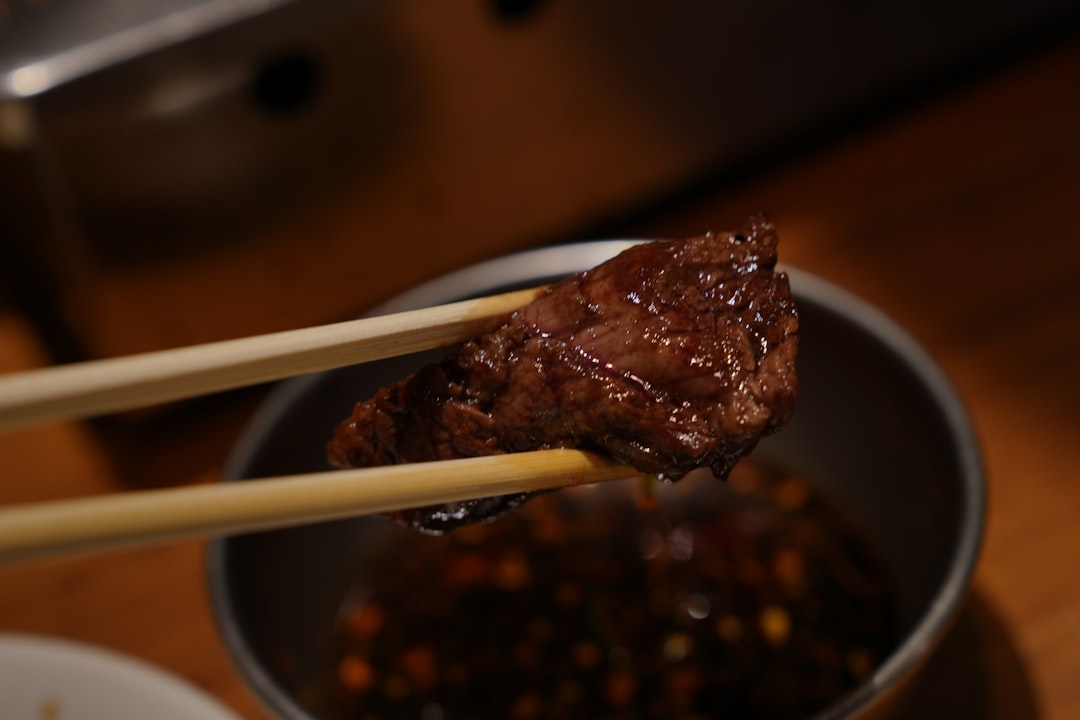
- Beef: Stir-frying with bulgogi seasoning significantly enhances the overall savory taste.
- Egg: Serve with a soft-boiled yolk to add a rich, nutty flavor when mixed.
Precautions for ingredient preparation
All ingredients should be julienned to a consistent size so that they provide a harmonious mouthfeel when mixed with rice. Ensure namul is sufficiently drained so the Bibimbap does not become soggy and maintains a clean taste. In particular, you can adjust the gochujang by adding a little sesame oil or sugar to suit your preference for a richer flavor.