K-Culture World

Food · 2026. 7. 25.

How to Make Delicious Bibimbap: The Perfect Harmony of Five-Color Health

BY 김민중

How to Make Delicious Bibimbap: The Perfect Harmony of Five-Color Health

The Core of Bibimbap: Preparing Greens and Ingredients

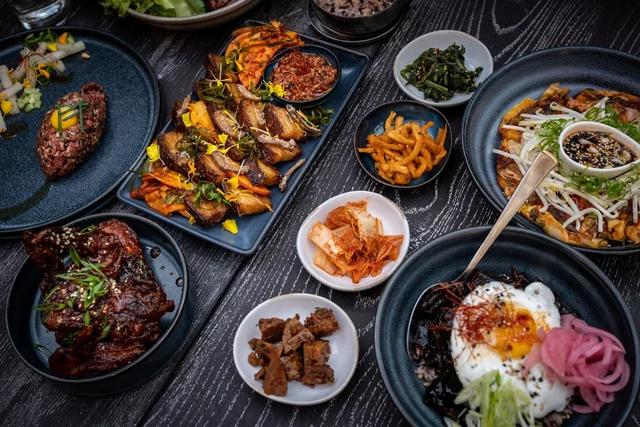
The most important element that defines the taste of bibimbap is fresh namul (seasoned greens). The key is to highlight the unique texture and aroma of each ingredient, such as spinach, bellflower root, bracken, and bean sprouts. Blanch the spinach briefly and season lightly with salt and sesame oil to keep it crisp, while sautéing bracken and bellflower root in perilla oil maximizes their nutty flavor. The secret is to cook the greens for a short time so they retain their natural, vibrant colors rather than overcooking them. To balance the nutrition, add thinly sliced beef round, marinated in soy sauce and sugar, for a perfect protein boost. When preparing ingredients, cutting vegetables to a uniform length creates a neat and appetizing look when plated. Finally, top it off with a sunny-side-up egg—the slightly runny yolk will blend with the greens to add a rich, savory flavor, which is the secret to the most delicious bibimbap experience.

Flavor Explosion! The Golden Ratio for Bibimbap Gochujang Sauce

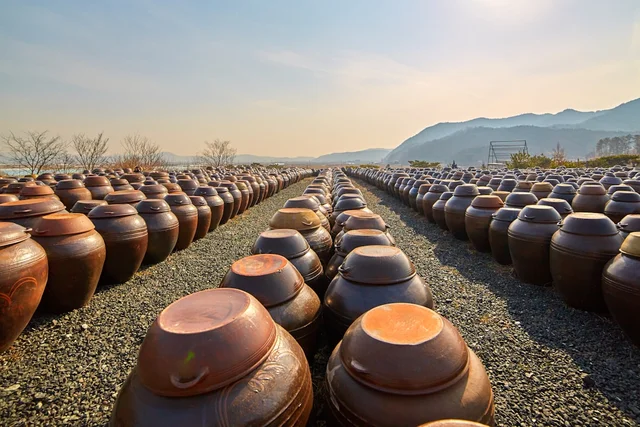
No matter how delicious the greens are, the dish won't shine without a great gochujang sauce. Try mixing store-bought gochujang with 1 tbsp of plum extract, 0.5 tbsp of minced garlic, 1 tbsp of sesame oil, and a generous amount of toasted sesame seeds. For something extra special, we recommend 'Yak-gochujang' (seasoned meat paste), made by sautéing minced beef into the sauce. Yak-gochujang has a deeper, savory umami profile and blends much more smoothly with the other ingredients. When adding the sauce, don't add too much at once; toss the ingredients in sesame oil first, then add the sauce gradually to adjust the seasoning. A professional tip for maintaining the texture: use chopsticks instead of a spoon to gently mix the ingredients so the greens don't lose their crispness. Bibimbap prepared with this much care and fresh greens is more than just a meal—it's a healthy, energizing tonic.

Frequently Asked Questions

Why should bibimbap greens be sautéed separately?+

Each vegetable has a different cooking time and moisture content. Sautéing or seasoning them individually preserves their unique aroma and texture, and ensures they don't bleed into each other, maintaining a clean, vibrant color. Cooking them all at once can make them mushy and muddy the flavors, so we recommend preparing them separately despite the extra effort.

Are there ways to make bibimbap even healthier?+

Using multi-grain rice or oat rice instead of white rice significantly increases fiber intake. Also, using a variety of mushrooms instead of meat, or adding lightly pan-fried tofu, can lower calories while providing both protein and satiety. If you are concerned about sodium, reduce the gochujang and add a soy sauce-based dressing instead.

How should I store leftover bibimbap ingredients?+

Greens have high moisture content and can spoil easily. If you aren't eating them right away, store each type of namul in separate airtight containers in the refrigerator and consume within 2–3 days. If you have leftovers after a few days, try using them in fried rice with seaweed flakes or making bibimbap rice balls for a convenient lunchbox.

Share

Show us your style! Share with #kcultureworld on Instagram & TikTok.

About the author

김민중

Writes practical guides to Korean beauty and food for overseas readers — Olive Young, convenience stores, and how-to tips.

More from 김민중

Comments

No sign-up or login required.

No comments yet. Be the first to comment.