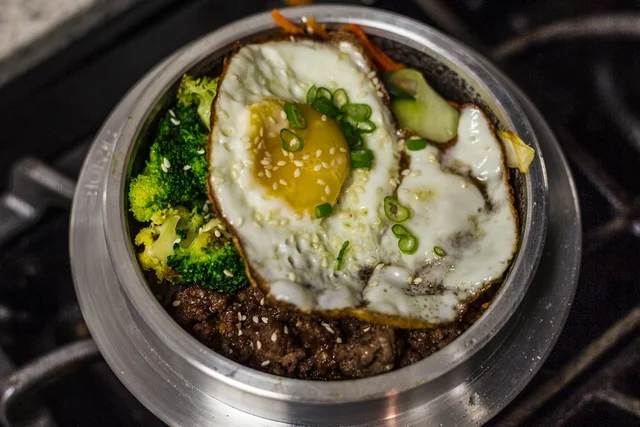
K-Culture World

Food · 2026. 7. 27.

How to Make Delicious Bibimbap and a Guide to Healthy Ingredient Combinations

BY 김민중

How to Make Delicious Bibimbap and a Guide to Healthy Ingredient Combinations

What is Bibimbap and Why is it Gaining Global Popularity?

Bibimbap is Korea's most iconic and popular dish, consisting of warm rice topped with colorful seasoned vegetables, meat, and a spicy gochujang sauce. The harmony and unity implied by the very word 'bibim' (mixing) leaves a deep impression on food lovers worldwide. Beyond simply mixing ingredients, the essence of this dish lies in maximizing the unique flavor and nutrition of each component.

The Nutritional Balance of Bibimbap

  • It is a complete meal containing carbohydrates, protein, fats, vitamins, and minerals in a single bowl.
  • It is highly effective for increasing dietary fiber intake through a variety of vegetables.
  • You can enjoy fresh flavors year-round by rotating the types of namul according to the season.

Status as a Global Culinary Trend

As the perception of Bibimbap as a healthy meal spreads, it has become widely loved by vegetarians around the world. A major advantage is that it can be customized to individual tastes by omitting meat or substituting it with tofu, mushrooms, or other alternatives. Furthermore, the sweet and spicy taste of gochujang blends well with Western salad culture, leading to its reinterpretation in various fusion dishes. Bibimbap, with its vibrant textures of fresh ingredients, has established itself as a healthy meal that satisfies both the eyes and the palate.

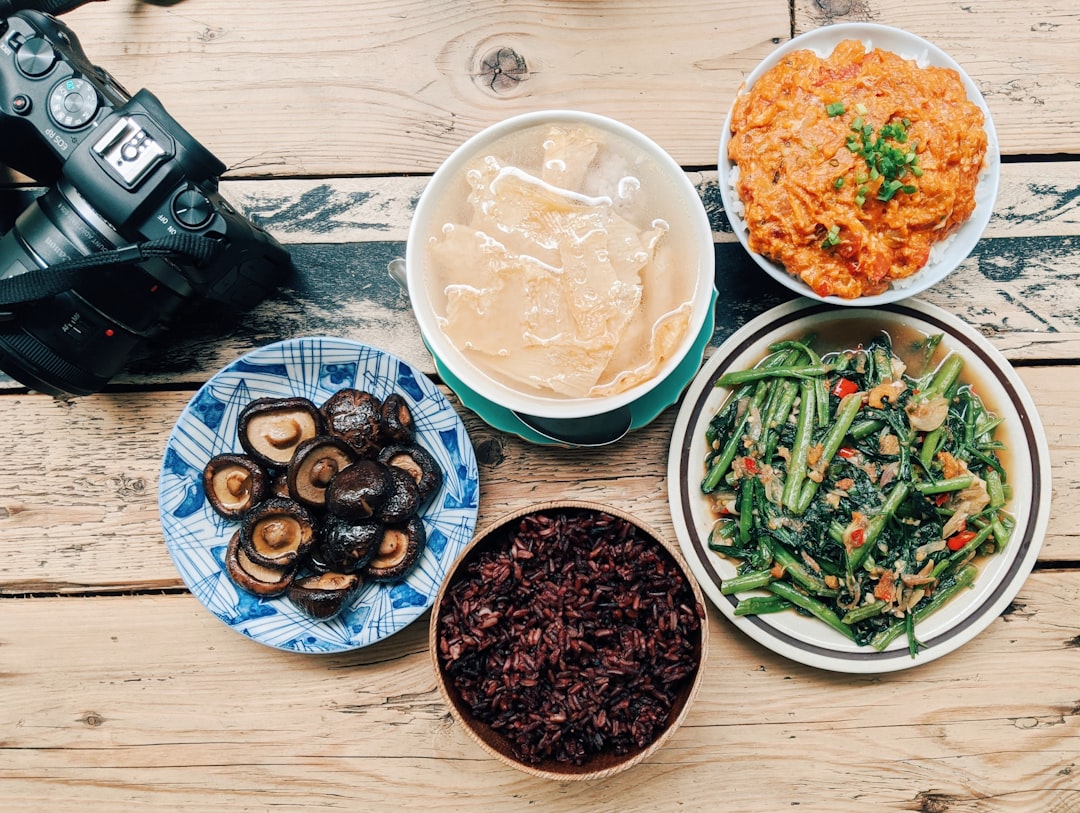
3 Key Steps to Making Delicious Bibimbap

To make the perfect Bibimbap, careful attention is required from ingredient preparation to sauce blending. It is important to maintain the texture of each ingredient while achieving overall harmony. Specifically, mastering the technique of sautéing namul and adjusting the consistency of the gochujang sauce is essential to capturing the authentic taste of Korea.

Preparing Ingredients and Sautéing Namul

  • The key is to blanch the namul briefly without overcooking it to maintain a crisp, crunchy texture.
  • Prepare namul in various colors—such as bellflower root, bracken, spinach, and bean sprouts—to add visual appeal.
  • When sautéing the vegetables, use perilla oil or sesame oil to maximize their nutty aroma.

Preparing the Sauce and Meat Garnish

For a much deeper flavor, mix a little plum extract or oligosaccharide into high-quality gochujang instead of sugar. Add minced garlic and toasted sesame seeds to enhance the flavor profile. For the meat, thinly slice beef, season it with soy sauce, sugar, and minced garlic, then sauté it to balance the overall taste. The rice should be cooked to be slightly firm rather than mushy so it mixes well with the vegetables. We also recommend topping it with a sunny-side-up fried egg to add the richness of the yolk.

Tips for Enjoying Bibimbap Healthier and Tastier

Bibimbap is a dish that can be transformed infinitely based on individual health needs or preferences. If you are pursuing a healthy diet, even slight changes to ingredient selection and preparation methods can result in a much richer flavor. Recently, as more people prioritize health, low-sodium and plant-based Bibimbap recipes have gained significant attention.

Criteria for Ingredient Selection

  • Using seasonal vegetables ensures the highest nutritional value and the best taste.
  • Mixing in brown rice, oats, or barley instead of white rice can help with blood sugar control.
  • If you want to reduce sodium, adjust the amount of gochujang and use a soy sauce or soybean paste-based sauce instead.

Know-How for Mixing

When mixing Bibimbap, it is better to use chopsticks rather than a spoon to stir it gently. Pressing down hard with a spoon can crush the rice grains and ruin the texture of the vegetables. Gently stir with chopsticks to ensure the sauce evenly coats the rice grains for a much softer taste. Finally, don't forget to add a drop of sesame oil for a nutty finish. A bowl prepared with care will be a more satisfying meal than any high-end dish.

Frequently Asked Questions

What kind of dish is Bibimbap?+

Bibimbap is a traditional Korean dish consisting of rice topped with various ingredients like namul (seasoned vegetables), meat, and gochujang, which are then mixed together. Nutritionally, it is a balanced meal containing carbohydrates, protein, and vitamins. It is characterized by its diverse flavors, as the ingredients and preparation methods vary slightly by region.

How can I make delicious Bibimbap at home?+

The key to delicious Bibimbap is preserving the texture of the ingredients. Blanch the namul briefly so it doesn't get too mushy, season it with nutty sesame oil, and ensure your rice is cooked to be firm. Adding a sunny-side-up egg on top and mixing a little plum extract into your gochujang sauce can provide a deep, savory flavor comparable to professional restaurants.

Are there recommended ingredient combinations for Bibimbap?+

Recommended ingredients for Bibimbap include crunchy bean sprouts, tender bracken, and aromatic bellflower root. To add protein, you can include sautéed beef or chicken breast, and accompany it with fresh lettuce or baby greens for a richer taste. Depending on your preference, adding avocado or sautéed mushrooms is also a great way to enjoy a modern version of Bibimbap.

Share

Show us your style! Share with #kcultureworld on Instagram & TikTok.

About the author

김민중

Writes practical guides to Korean beauty and food for overseas readers — Olive Young, convenience stores, and how-to tips.

More from 김민중

Comments

No sign-up or login required.

No comments yet. Be the first to comment.