K-Culture World

Food · 2026. 8. 6.

The Charm of Dessert Culture and 4 Must-Try Snacks in Korea

BY 김민중

The Charm of Dessert Culture and 4 Must-Try Snacks in Korea

How Korean Dessert Culture Has Evolved

Korean dessert culture began with the elegant tea tables enjoyed in the royal court and has evolved into a sophisticated cafe culture that captivates palates worldwide. For Koreans, a sweet snack after a meal is more than just food; it represents a medium for social interaction and a moment of relaxation. Recently, fusion menus utilizing traditional ingredients like red beans, black sesame, and injeolmi (soybean powder-coated rice cake) have gained immense popularity, establishing themselves as a uniquely Korean culinary trend.

The Harmony of Tradition and Modernity

  • Fusion desserts that add fresh cream or cheese to traditional rice cakes are trending.
  • Bingsu (shaved ice) and drinks featuring seasonal fruits are loved throughout the year.
  • Cafe spaces themselves are strongly perceived as places for cultural consumption.

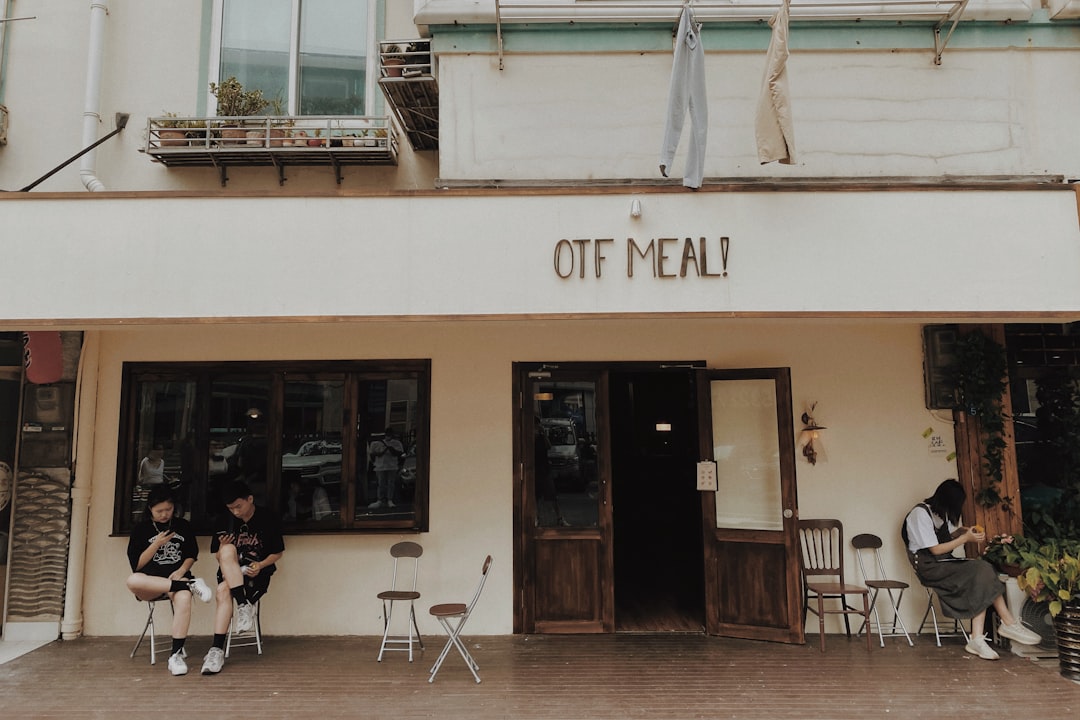
Korea's cafe culture is highly dynamic. Beyond simply eating delicious food, seeking out spaces with visually stunning plating and unique interior designs has become a culture in itself. Cafes in major areas like Hongdae, Seongsu, and Hannam-dong offer menus with distinct personalities, providing travelers with special experiences. Furthermore, Korean desserts are characterized by not being overly sweet, emphasizing the natural flavor of the ingredients—a feature that resonates well with modern people who prefer healthy food. Experience the ever-changing Korean food culture firsthand as new forms of snacks emerge every year.
4 Representative Korean Desserts You Must Try

There is a wide variety of desserts you must try when visiting Korea. Among them, we have selected four that are both popular and distinctly Korean. These items are easily found throughout Korea and best represent the flavors of the country.

Essential Korean Snack List

  • Bingsu: A summer delicacy made with finely shaved ice topped with red beans, fruit, or rice cakes.
  • Bungeoppang: A classic winter snack made by baking flour batter and red bean paste in a fish-shaped mold.
  • Tteok (Rice Cakes): A traditional Korean food made primarily from glutinous or non-glutinous rice, known for its chewy texture.
  • Hotteok: A warm snack made by frying a flour dough filled with sugar and nuts until crispy.

Characteristics and Selection Criteria by Menu

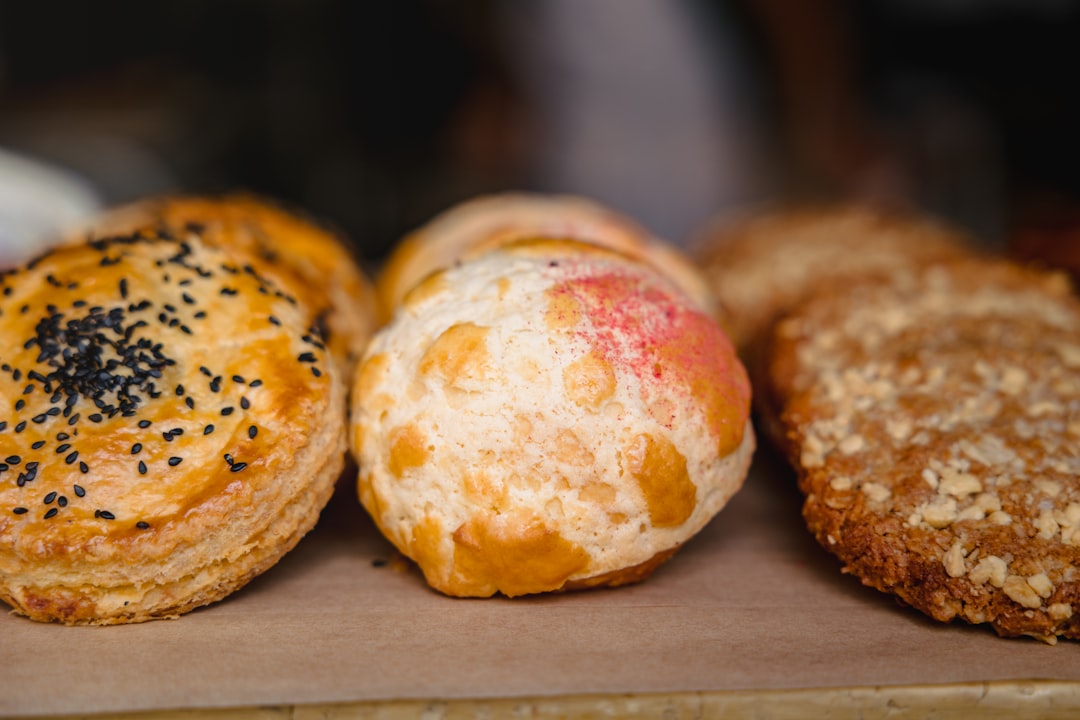
Bingsu comes in dozens of varieties depending on the ingredients, from snow-flake bingsu made with frozen milk to green tea, injeolmi, and mango flavors. Bungeoppang has recently expanded its range to include fillings like custard cream, sweet potato, and even pizza. Rice cakes, such as injeolmi coated in bean powder or honey-filled honey tteok, are particularly popular among foreigners. Hotteok is best enjoyed for the harmony between its crispy exterior and the hot, melted sugar syrup inside. You can easily find these foods at street vendors or specialty cafes, and they taste even better when enjoyed according to the season or situation.

3 Ways to Enjoy Desserts Even More

To fully enjoy Korean desserts, it is helpful to keep a few simple tips in mind. By following how Koreans enjoy their snacks—beyond just the act of eating—you can double the pleasure of your trip.

Tips for a Better Experience

  • Pair with warm tea: Rice cakes or hangwa go very well with warm green tea or jujube tea.
  • Check for seasonal ingredients: Menus featuring seasonal fruits like strawberries or peaches offer a special taste available only at that time.
  • Utilize the takeout culture: Most cafes in Korea are well-equipped for takeout, allowing you to enjoy your treats leisurely in a park or at your accommodation.

After a greasy meal, we recommend traditional drinks like sikhye (sweet rice beverage) or sujeonggwa (cinnamon punch) for a clean finish. Conversely, when eating sweet snacks, a bitter Americano or Korean-style tea helps cleanse the palate. Also, street snacks are best eaten immediately while warm. Since bungeoppang or hotteok lose their signature crispiness when they cool down, it is best to eat them as soon as possible. If you want to properly experience Korean dessert culture, planning a cafe tour to compare the different charms of various desserts is a great approach.

Dessert Tableware Sets

SHOP THE LOOK: Dessert Tableware Sets

Frequently Asked Questions

What is the significance of dessert in Korean food culture?+

In Korean food culture, dessert is an important form of relaxation, enjoyed to cleanse the palate after a meal or while chatting with friends. From traditional tea tables of the past to modern, sophisticated cafe culture, it has become an essential culinary element representing communication and healing for Koreans.

What Korean dessert menus do you recommend for foreigners?+

Among Korean desserts, we highly recommend the chewy injeolmi, bungeoppang filled with sweet red bean paste, and refreshing snow-flake bingsu. These items capture the unique flavors of Korea while remaining popular and accessible enough for foreigners to enjoy without hesitation.

Where can I buy delicious Korean snacks?+

You can easily purchase delicious Korean snacks at specialty cafes located in major downtown areas or at street food stalls in traditional markets. We highly recommend visiting areas like Insadong or Seongsu-dong, where you can encounter a variety of desserts that blend tradition and modernity during your trip.

Share

Show us your style! Share with #kcultureworld on Instagram & TikTok.

About the author

김민중

Writes practical guides to Korean beauty and food for overseas readers — Olive Young, convenience stores, and how-to tips.

More from 김민중

Related Posts

Types and Characteristics of Korean Snacks: Exploring the Charm of K-Food

Food · 08/06/26

Types and Characteristics of Korean Snacks: Exploring the Charm of K-Food

Korean snacks are gaining global popularity for their unique textures and diverse flavors. This guide details the trends in the Korean snack market, representative product categories, and how to choose snacks that suit your personal taste. Discover the appeal of Korean snacks, from traditional flavors to modern trends.

Comments

No sign-up or login required.

No comments yet. Be the first to comment.