K-Culture World

Food · 2026. 9. 16.

The Charm of Dessert Culture and 4 Must-Try Korean Treats

BY 김민중

The Charm of Dessert Culture and 4 Must-Try Korean Treats

Why is Korean dessert culture so special?

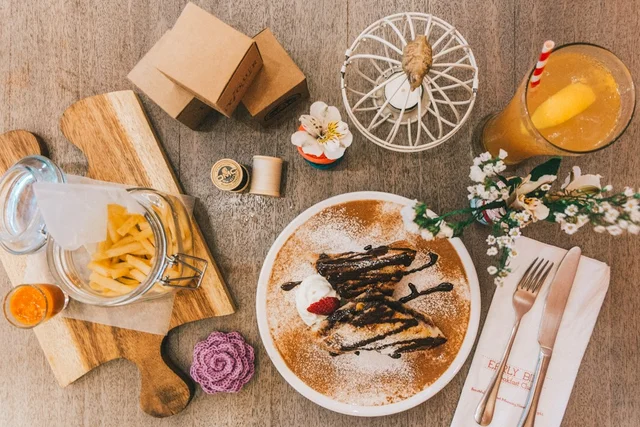
Korean desserts are evaluated as a form of art that goes beyond simple post-meal food, incorporating a sense of the seasons and genuine care. In Korea, unique dessert trends are constantly evolving, ranging from traditional rice cakes (tteok) and Korean confectionery (hangwa) to modern cafe culture.

Harmony of tradition and modernity

  • Traditional ingredients like red beans, mugwort, and black sesame are incorporated into modern cakes and ice cream.
  • There is a strong emphasis on visual beauty, resulting in vibrant, photogenic creations perfect for sharing on social media.
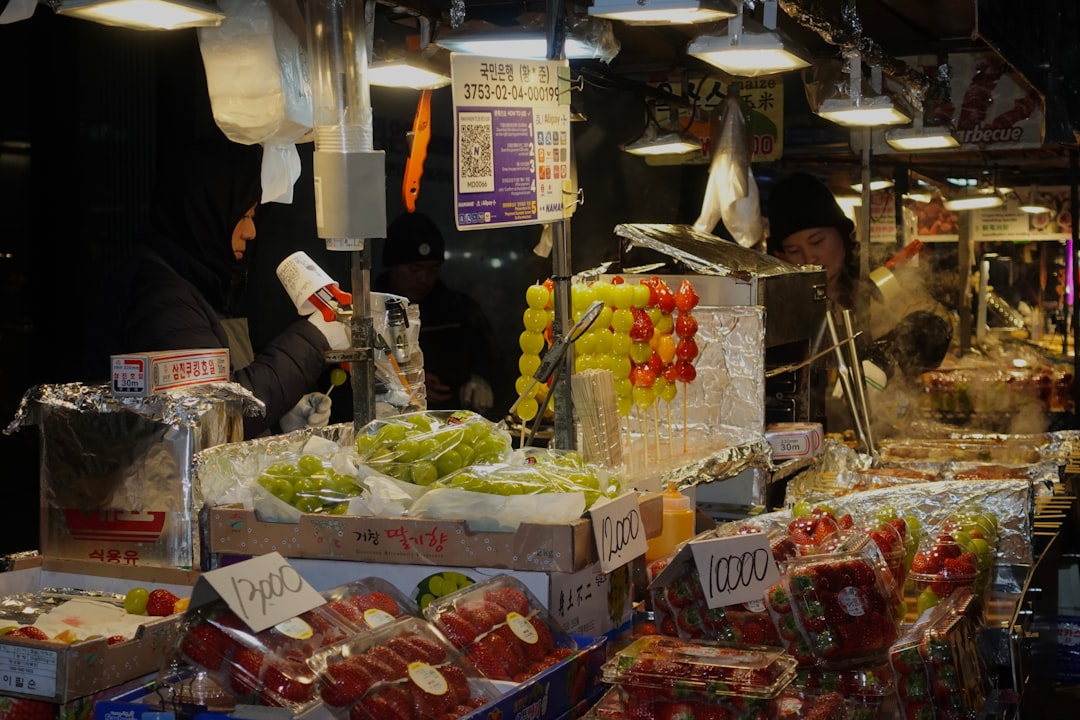
  • Seasonal menus featuring fresh fruits such as strawberries, peaches, and Shine Muscat grapes are highly popular.

Characteristics of Korean cafe culture

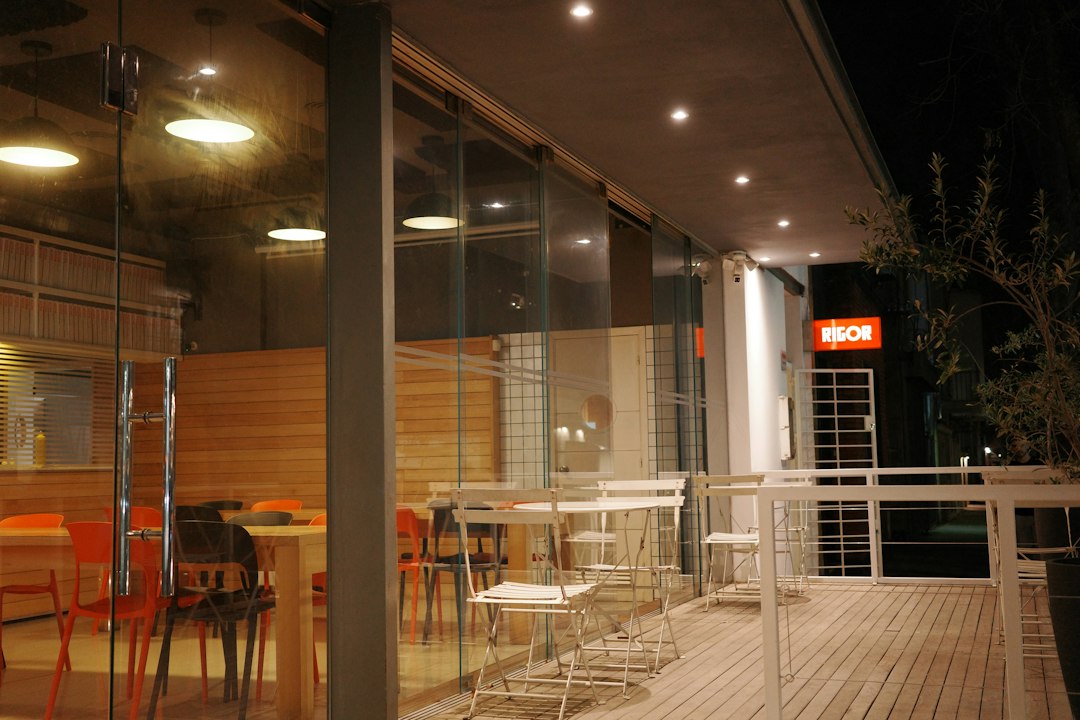
Korean cafes are more than just places to drink coffee; they are complex cultural spaces for chatting with friends or taking a break. Many consumers prioritize not only the taste of the dessert but also the interior design and atmosphere of the space. From large bakery cafes to small workshops in alleyways, the Korean dessert market is highly segmented, making it fun to discover places with distinct charms. If you are visiting Korea, we recommend exploring local cafes that highlight regional characteristics in addition to famous franchises.
4 Representative Korean desserts you must try

There are iconic desserts you should definitely taste while traveling in Korea. These menus utilize local Korean ingredients while capturing popular tastes.

  • Bingsu: The ultimate summer delicacy, consisting of finely shaved ice topped with red beans, injeolmi (soybean powder rice cake), and fruit.
  • Hotteok: A popular street snack made by frying dough filled with sugar and nuts.
  • Bungeoppang: A classic winter snack made by pouring batter into fish-shaped molds and filling them with red bean paste or custard cream.
  • Yakgwa: A traditional deep-fried honey cookie; a popular recent trend is pairing it with ice cream.

Things to consider when choosing desserts

Many Korean desserts have controlled sugar levels, making them accessible to everyone. In particular, menu items using red beans are known for their savory flavor rather than being overly sweet. For street food, it is a good idea to keep some cash on hand, though ordering via kiosks has become common and convenient. Since the best tea or coffee pairing varies by dessert, asking the cafe staff for a recommendation is a great way to enjoy your treat.

3 tips for a successful dessert tour

To have a satisfying experience among Korea's vast array of dessert shops, you need a few strategies. Major cities, including Seoul, have formed neighborhoods known as "dessert hubs."

Efficient dessert exploration strategy

  • Use SNS hashtags: Searching for specific location names combined with "dessert" on platforms like Instagram helps you quickly grasp the latest trends.
  • Consider "Open Runs": Famous cafes or dessert specialty shops can have long wait times on weekends, so it is best to check opening hours in advance.
  • Use takeout services: Many shops offer neat packaging services for gifts or on-the-go consumption, so be sure to take advantage of them.

Precautions and etiquette

  • One menu item per person: Most Korean cafes operate on a "one order per person" principle.
  • Dining in: Bringing outside food into a cafe is generally prohibited.
  • Environmental protection: Recently, the use of reusable cups inside cafes has become mandatory to reduce disposable waste, so please cooperate with shop policies. By observing these small manners, your gourmet journey through Korea's diverse desserts will be much more pleasant and enjoyable.
Dessert Tableware Sets

SHOP THE LOOK: Dessert Tableware Sets

Frequently Asked Questions

What is the significance of dessert in Korean food culture?+

For Koreans, dessert is an important finishing touch that completes the satisfaction of a meal. In the past, traditional tea culture centered on rice cakes and refreshments was developed, but today, global favorites like cakes, macarons, and bingsu have been reinterpreted in a Korean style, serving as a medium for daily social interaction and relaxation.

What are the most popular types of desserts in Korea?+

Among desserts, bingsu and rice cakes using traditional ingredients like red beans and injeolmi remain consistently loved. Recently, modern reinterpretations of traditional snacks, such as cookies or cakes made with yakgwa, have become very popular among the younger generation, while warm bungeoppang and hotteok are considered essential courses during the winter.

How can I find delicious dessert cafes?+

Checking location-based social media platforms is the most accurate way to find top-rated dessert spots. Searching for a specific area on Google Maps or local Korean map apps and checking review scores and photos can help minimize trial and error. Additionally, department store food halls are excellent places to explore various flavors in a short time, as they gather verified and famous dessert brands.

Share

Show us your style! Share with #kcultureworld on Instagram & TikTok.

About the author

김민중

Writes practical guides to Korean beauty and food for overseas readers — Olive Young, convenience stores, and how-to tips.

More from 김민중

Comments

No sign-up or login required.

No comments yet. Be the first to comment.