How Korean Dessert Culture Has Evolved
Korean dessert culture began with an emphasis on the changing seasons and the use of natural ingredients. In the past, traditional beverages like sikhye (sweet rice drink) and sujeonggwa (cinnamon punch), along with tteok (rice cakes), were the staples. Today, these have combined with Western-style baking to create a much richer landscape. Desserts are no longer just food eaten after a meal; they have become a cultural icon that provides visual pleasure and a moment of relaxation.
Characteristics of Traditional Desserts
- They feature a clean, mild taste, primarily using grains and nuts as key ingredients.
- Instead of artificial sweeteners, honey or grain syrup (jocheong) is used to create a subtle, refined flavor.
- Depending on the season, items like hwajeon (flower pancakes) made with seasonal fruits and flowers are enjoyed.
Modern Dessert Trends
- With the development of cafe culture, visually stunning cakes and macarons have gained immense popularity.
- Fusion menus that reinterpret traditional ingredients like black sesame, mugwort, and injeolmi (roasted soybean powder) are currently the mainstream trend.
- In line with social media trends where visual appeal is paramount, creative plating is highly emphasized.
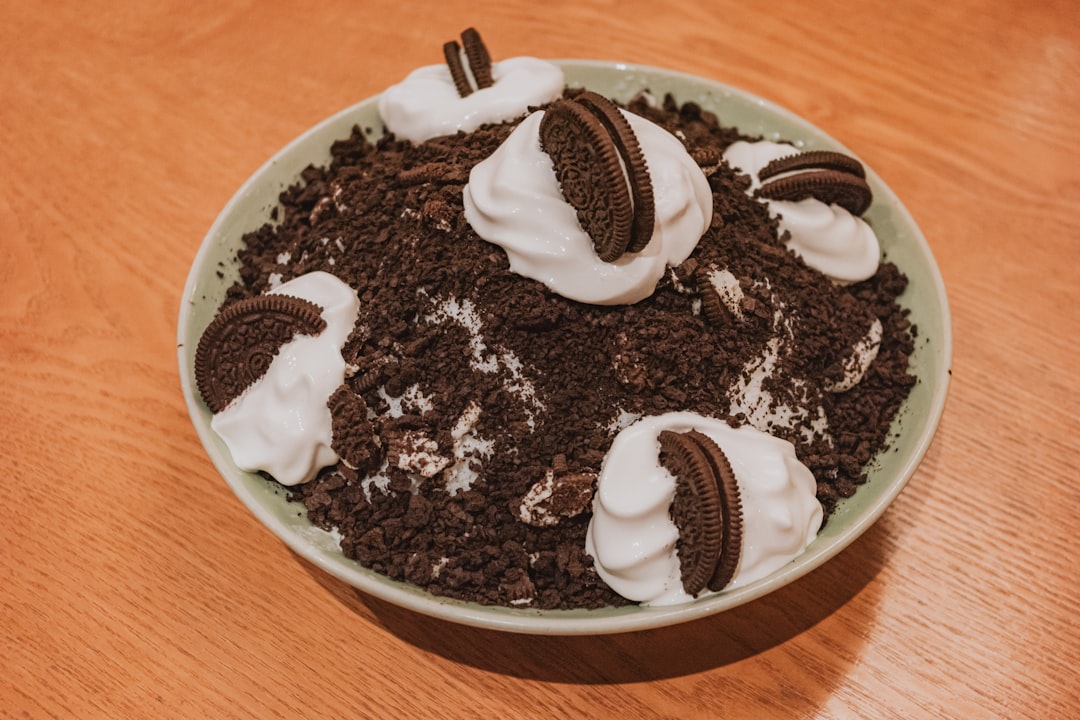
The modern Korean dessert market continues to experiment every year. In particular, the approach of incorporating Korean ingredients into existing Western recipes has been met with great enthusiasm from international tourists. For instance, bingsu (shaved ice) topped with soft milk ice, red beans, and soybean powder, or mugwort scones, showcase a unique harmony of flavors found only in Korea. These changes prove that Korean cafes are evolving from simple coffee shops into complex cultural spaces.