Why is Korean dessert culture so special?
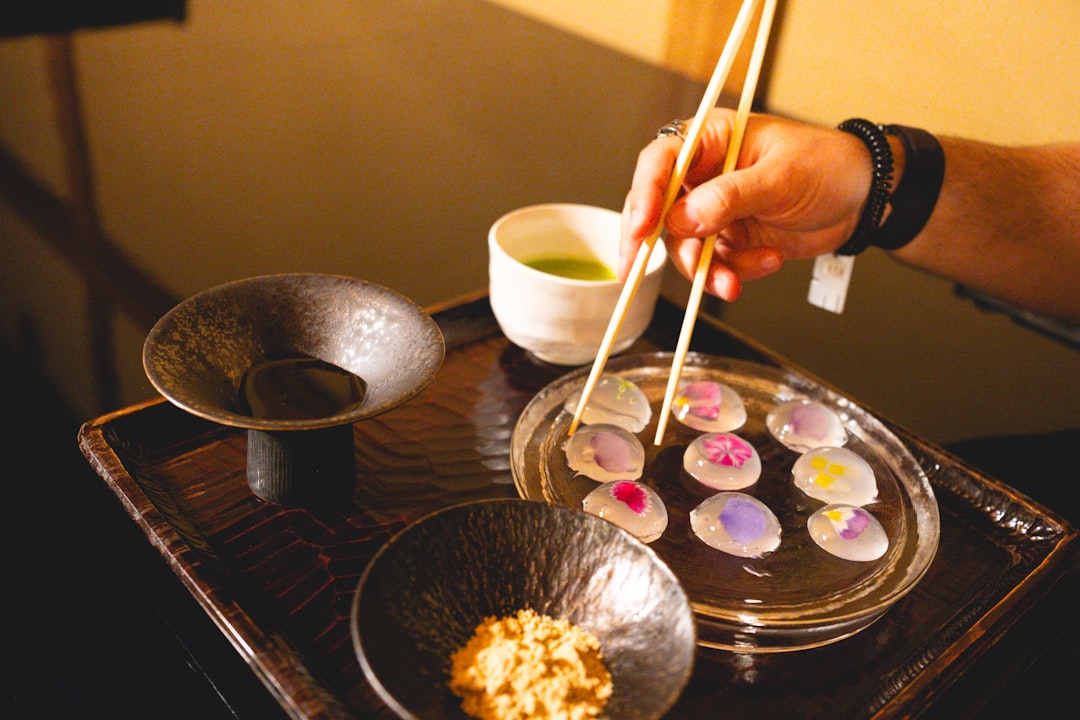
Korean desserts go beyond simple post-meal sweets; they embody a cultural value that emphasizes the harmony of seasons and ingredients. One of the things many tourists visiting Korea look forward to most is exploring the diverse dessert scene. The spectrum is incredibly broad, ranging from traditional hangwa (confections) and tteok (rice cakes) to modern, trendy cafe menus.
Harmony of ingredients and aesthetics
Korean snacks focus on highlighting the natural flavors of ingredients rather than intense sweetness. Red beans, soybeans, nuts, and seasonal fruits are used to create flavors that are both healthy and sophisticated. You can also catch a glimpse of Korea's unique aesthetic sense in the presentation and color palette of these treats.
Regional specialty snacks
- Each region has developed its own snacks or rice cakes utilizing local specialties.
- Major cities like Gyeongju, Jeonju, and Busan each have their own unique food culture.
- Visiting traditional markets allows you to experience more affordable and authentic local snacks.
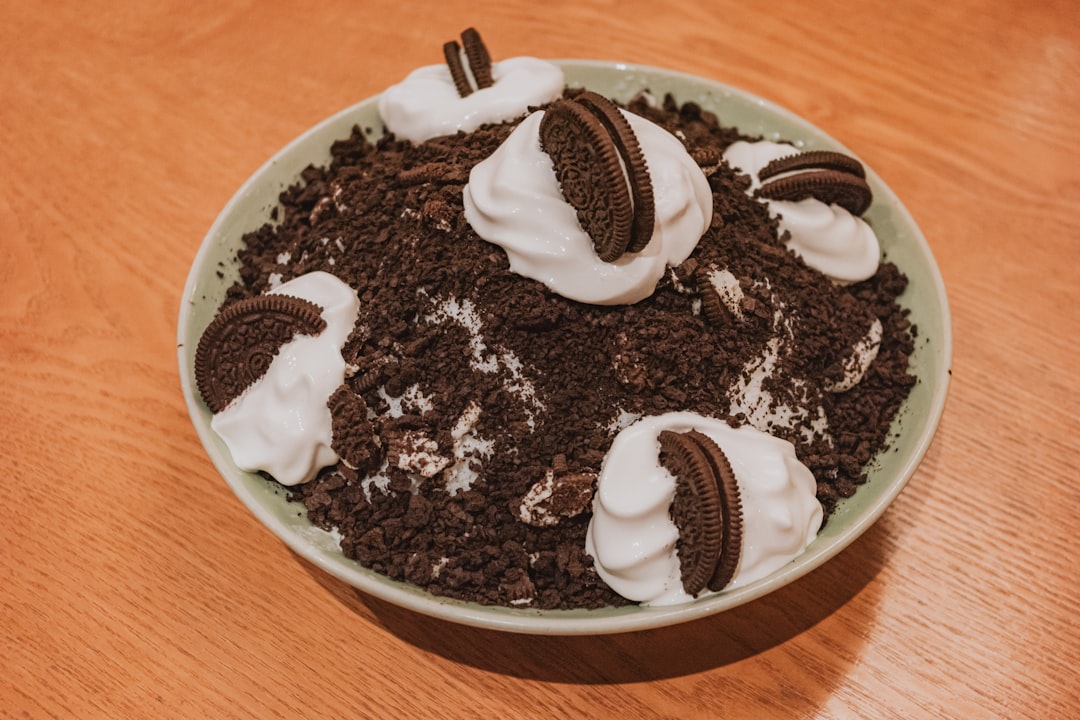
The combination of modern cafe culture and tradition is Korea's unique competitive edge. In stylish cafes found everywhere in the city, you can easily find fusion menus that reinterpret traditional ingredients in a modern way. This has become more than just a snack; it is a cultural experience.