Why is Korean dessert culture so special?
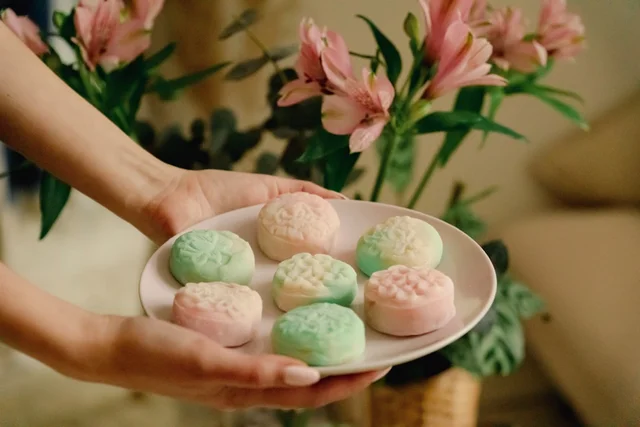
Korean dessert culture has established itself as a unique culinary field that values the harmony of seasons and ingredients, going beyond simple sweets eaten after a meal. In Korea, "dessert" encompasses a wide range, from traditional rice cakes (tteok) and Korean confectionery (hangwa) to the flamboyant baked goods sold in modern cafes. Recently, fusion snacks that reinterpret these traditional ingredients have become hugely popular, characterized by a focus on both visual appeal and health.
The harmony of tradition and modernity
- Traditional rice cakes use rice as the main ingredient, boasting a light, chewy texture.
- Modern cafes feature cakes and cookies that utilize Korean ingredients like red beans, black sesame, and mugwort.
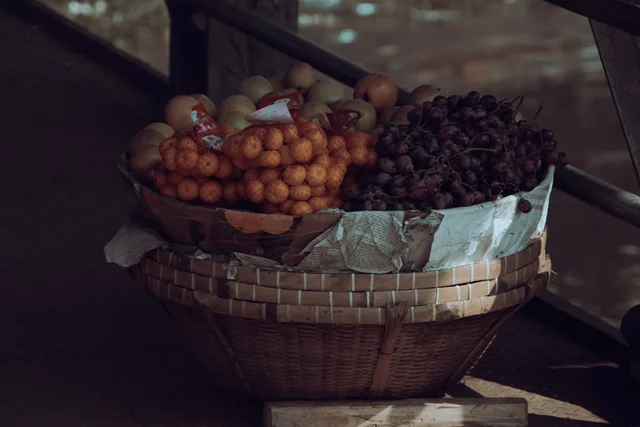
- Snacks using seasonal fruits add a refreshing touch to Korean desserts.
The joy of cafe hopping
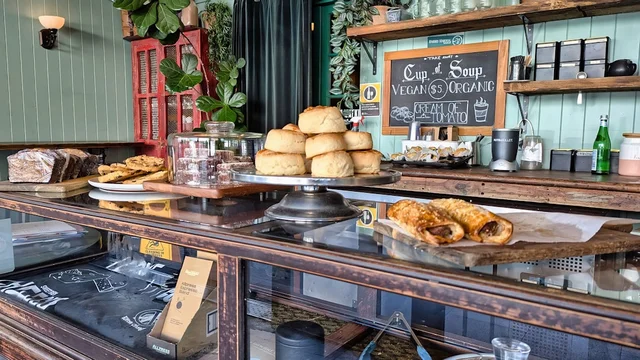
Korea's cafe culture is world-renowned, offering a variety of desserts in spaces with distinct concepts. A common trait of Korean cafes is that they consider not just the taste, but also the interior and plating as works of art. "Cafe hopping," where people visit multiple cafes to find unique desserts, has become a established culture, especially on weekends or special days. In these spaces, enjoying light snacks with tea and conversation is a common form of relaxation.