Why is Korean dessert culture so special?
Korean desserts go beyond simple post-meal sweets; they are rooted in a unique cultural background that values the changing seasons and the natural flavors of ingredients. Recently, creative desserts that reinterpret traditional rice cakes (tteok) and Korean confectionery (hangwa) into modern cafe menus have been gaining global attention. Koreans place as much importance on the visual appeal, texture, and healthy balance of ingredients in desserts as they do in their meals.
Modern transformation of traditional ingredients
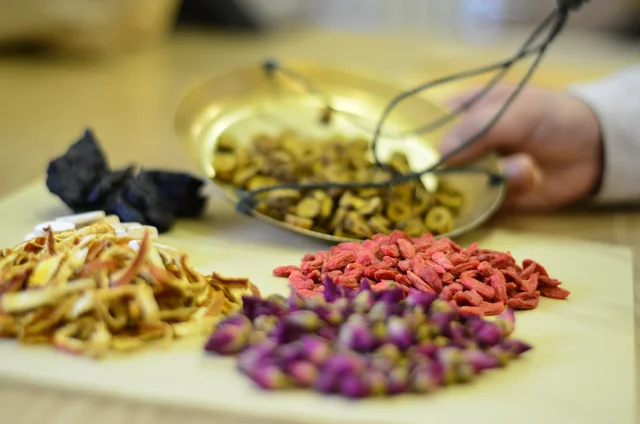
- Cream-based desserts using traditional ingredients like black sesame, mugwort, and injeolmi (roasted soybean powder).
- Bakery items that align with the gluten-free trend by utilizing rice flour.
- The evolution of refreshing treats like bingsu, topped generously with seasonal fruits.
Desserts at the heart of cafe culture
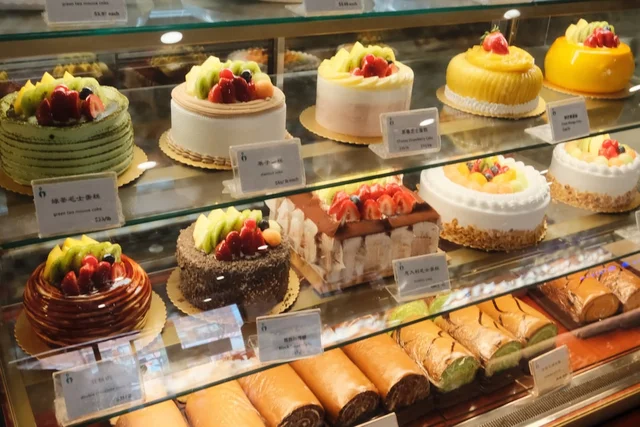
Korean cafes have evolved beyond spaces for coffee; they are cultural hubs for enjoying visually stunning desserts. Each cafe showcases its own signature menu, which spreads rapidly through social media. In particular, 'Korean fusion' styles—which add Korean flavors to Western-style baked goods like cakes, macarons, and financiers—are highly popular even among international visitors. The freshness of the ingredients and the meticulous plating are unique competitive advantages of Korean desserts.