K-Culture World

Food · 2026. 8. 20.

The Charm of Dessert Culture and 4 Must-Try Korean Treats

BY 김민중

The Charm of Dessert Culture and 4 Must-Try Korean Treats

Why is Korean dessert culture so beloved?

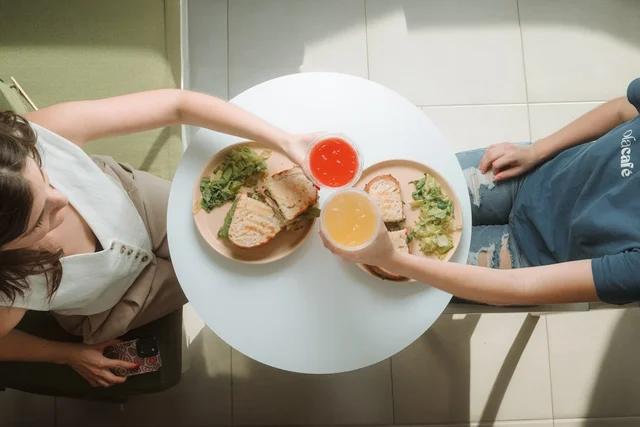
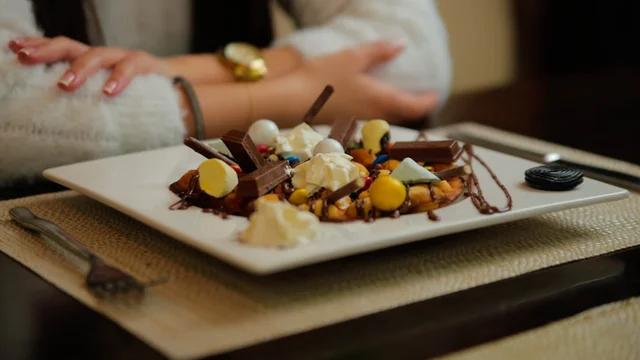
Desserts in Korea have evolved beyond a simple post-meal palate cleanser into an independent gastronomic genre. Korean snacks are characterized by their subtle flavors that highlight the natural essence of the ingredients, often incorporating visual artistry. Recently, fusion menus utilizing traditional ingredients have gained immense popularity among the younger generation and international tourists alike.

Use of healthy ingredients

  • Primarily uses nature-friendly ingredients such as grain flours, red beans, and nuts.
  • Employs grain syrup or honey rather than excessive sugar to provide a gentle, natural sweetness.
  • Features a wide variety of menus utilizing seasonal fruits.

Visual pleasure and gift culture

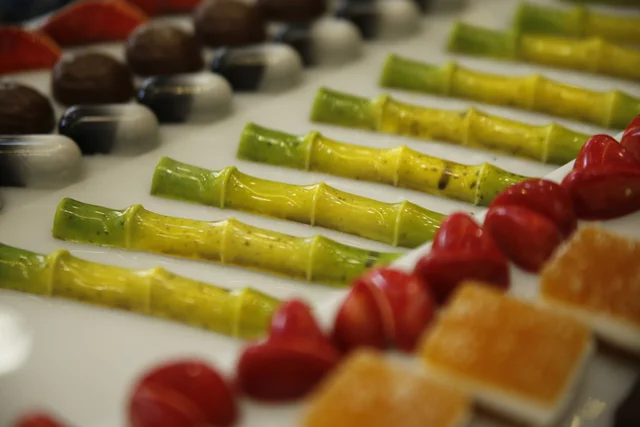
Korean snacks have long emphasized careful packaging and aesthetic presentation. A culture of sharing food during holidays or special occasions is well-established, making these desserts more than just a treat; they serve as a medium for conveying one's heart to loved ones. In modern times, combined with café culture, a constant stream of sophisticated and visually stunning desserts is being developed.
4 Must-Try Representative Korean Desserts

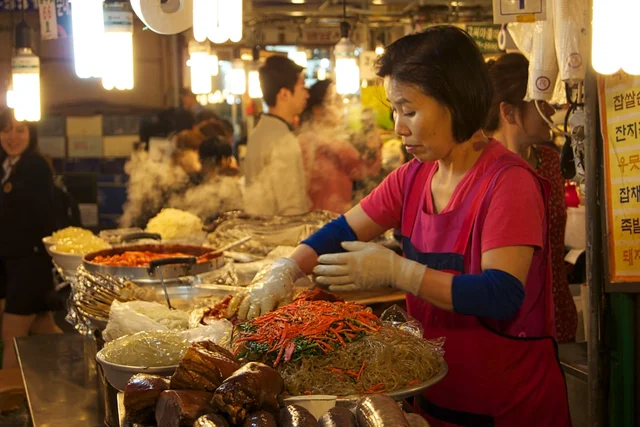
While every region in Korea has its own specialty snacks, there are representative menu items loved nationwide. These reflect the history and food culture of Korea and can be easily found in cafés and traditional markets.

Tteok and Hangwa

Tteok (rice cakes) is Korea's most traditional snack, made by steaming non-glutinous or glutinous rice. Injeolmi with its chewy texture or Sirutteok coated in red bean powder are iconic examples. Hangwa refers to confections made by mixing grain powder with honey and oil, then frying or baking them; they are known for their crispy and nutty flavor.

Bingsu and Red Bean Porridge

Bingsu is a summer delicacy featuring shaved ice topped with red beans, rice cakes, and fruit. Recently, snow-flower bingsu made with milk ice has become the standard, and variations topped with mango or berries instead of red beans are common. In winter, warm red bean porridge is a popular choice.

Hotteok and Bungeoppang

These are common winter street snacks. Hotteok is a pancake filled with brown sugar and nuts, griddled until crispy. Bungeoppang is a fish-shaped pastry filled with red bean paste, baked in a mold. Recently, unique versions filled with custard cream or pizza sauce have also become popular.

Recently, the Korean dessert market has been led by the 'Halminial' (Grandma + Millennial) trend, where tradition meets modernity. This refers to the phenomenon of the younger generation reinterpreting and enjoying old-fashioned snacks.

The rediscovery of black sesame and mugwort

Once considered unfamiliar, black sesame and mugwort are now key ingredients in cakes, macarons, and lattes. Their unique nutty and slightly bitter flavors have gained strong support from those who prefer a healthy, balanced sweetness.

Integration with café culture

Korean cafés are not just places to drink coffee, but complex cultural spaces for enjoying desserts. From baked goods made by professional pâtissiers to creative desserts using traditional ingredients, each shop boasts its own unique signature menu. It is recommended to check popular menus on Instagram or restaurant apps before visiting.

Frequently Asked Questions

What does dessert mean in Korean food culture?+

For Koreans, dessert is both a pleasure that finishes a meal and a medium for continuing conversation with loved ones. While traditional snacks like rice cakes and hangwa were the mainstay in the past, they have now evolved into diverse and sophisticated forms, integrated with café culture, to become a part of daily relaxation.

What are the most popular traditional desserts in Korea?+

The most popular traditional desserts include chewy rice cakes and crispy hangwa. In particular, red bean-based rice cakes and bingsu are favorites that Koreans enjoy year-round. Recently, fusion versions like cakes or ice cream using these traditional ingredients have become very popular among the younger generation.

Where should foreigners go to enjoy Korean desserts?+

To enjoy desserts, it is recommended to visit streets with a traditional atmosphere like Insadong or Samcheong-dong in Seoul, or café streets leading the latest trends such as Hongdae or Seongsu-dong. You can experience street snacks like freshly baked hotteok or bungeoppang in traditional markets, and taste sophisticated modern desserts in large urban cafés.

Share

Show us your style! Share with #kcultureworld on Instagram & TikTok.

About the author

김민중

Writes practical guides to Korean beauty and food for overseas readers — Olive Young, convenience stores, and how-to tips.

More from 김민중

Related Posts

Comments

No sign-up or login required.

No comments yet. Be the first to comment.