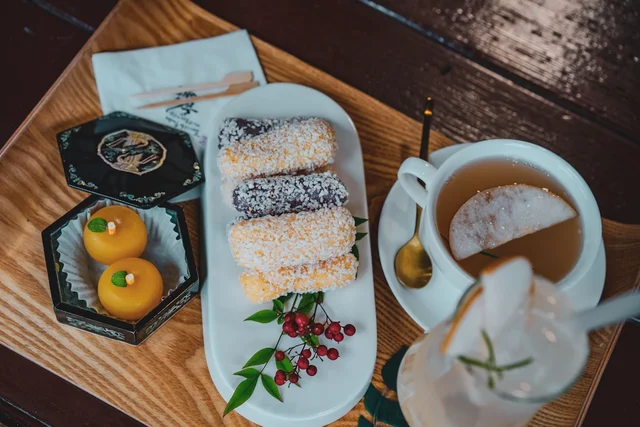
Characteristics and Evolution of Korean Dessert Culture
Korean dessert culture began with a traditional focus on seasonal changes and the natural flavors of ingredients. In the past, people enjoyed rice cakes, fruits, and beverages like sikhye (sweet rice drink) to cleanse the palate after a meal. Today, this has evolved into a richer experience by incorporating global trends into a thriving cafe culture. Korean desserts are characterized not just by their sweetness, but by their visual appeal and a health-conscious selection of ingredients.
Reinterpreting Traditional Snacks
Traditional Korean snacks primarily use rice, beans, and nuts, offering a savory and clean taste. Recently, these classics have been reinterpreted with a modern sensibility, gaining significant popularity among the younger generation.
- Tteok (rice cakes) and Yakgwa (honey cookies) are beloved by all ages for their chewy texture.
- Traditional beverages like Sikhye and Sujeonggwa (cinnamon punch) are considered healthy drinks that aid digestion by highlighting the natural sweetness of their ingredients.
Fusion with Cafe Culture
Korea is home to one of the most developed cafe cultures in the world. From large franchises to unique local cafes, you can experience high-quality desserts in a variety of settings. Signature menus that utilize local specialties from each region have become another highlight of traveling in Korea.