Why is Korean dessert culture so beloved?
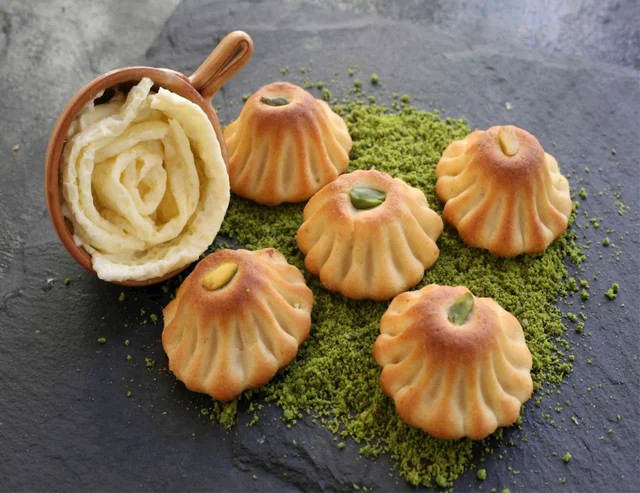
Korean desserts are considered more than just sugary treats eaten after a meal; they are evaluated as works of art that combine visual appeal with wholesome ingredients. Recently, the 'Halminnial' (Grandma + Millennial) trend, which transforms traditional rice cakes (tteok) and Korean confectioneries (hangwa) into modern cafe menu items, has become a major sensation.
The Spectacular Transformation of Traditional Ingredients
- Cakes and lattes featuring traditional grains like black sesame, mugwort, and injeolmi (roasted soybean powder) have become mainstream.
- There is a high preference for healthy ingredients that reduce sugar content while enhancing natural sweetness.
- Seasonal shaved ice (bingsu) and parfaits featuring fresh, in-season fruits are released throughout the year.
Integration with Cafe Culture
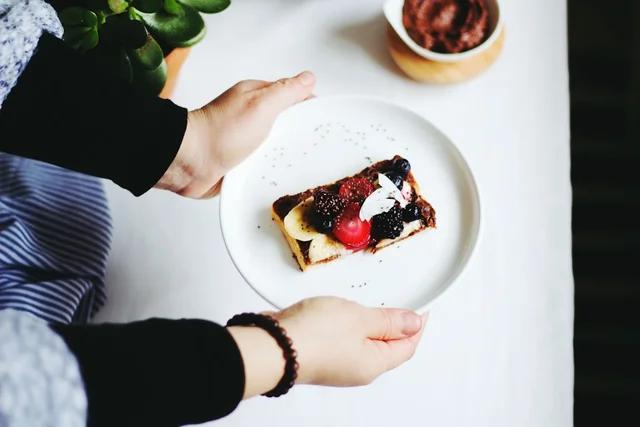
Korea has one of the highest densities of cafes in the world. Each cafe develops its own signature menu, providing a unique dessert experience. The core of Korean cafe culture is not just about drinking coffee, but also about pursuing beautiful plating and flavors that are worthy of sharing on social media. Thanks to this environment, Korean desserts are constantly evolving and creating new culinary trends.