Why Korean Dessert Culture Is Special
Korean desserts have evolved beyond simple post-meal treats into an independent gourmet culture. When people talk about desserts in Korea, it goes beyond just sugary treats; many menus emphasize the natural flavors of ingredients or maximize visual pleasure. Recently, modern interpretations using traditional ingredients like red beans, black sesame, and mugwort have been gaining significant attention from foodies worldwide.
Harmony of Tradition and Modernity
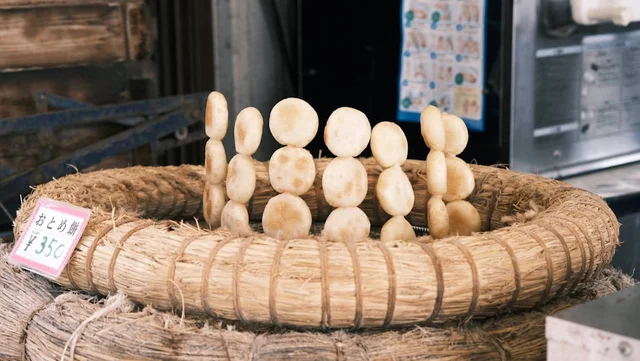
The most notable characteristic of Korean desserts is the coexistence of traditional cooking methods and modern sensibilities. Hangwa (traditional sweets) and tteok (rice cakes), once enjoyed by the royal court, have been reimagined as cafe menu items, becoming highly popular among the younger generation.
- Use of natural ingredients: Healthy ingredients like grains, nuts, and fruits are actively used.
- Visual-centric: Features colorful and neat plating that is perfect for sharing on social media.
- Seasonality: Seasonal limited-edition menus using fresh fruits and ingredients are released frequently.
The Joy of Cafe Hopping
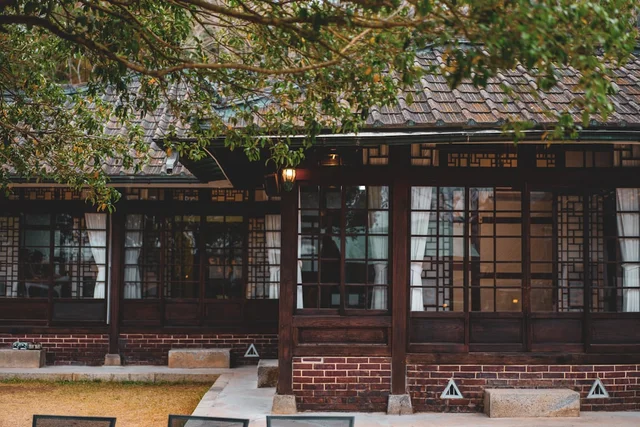
Korea boasts one of the highest densities of cafe culture in the world. From flashy bakery cafes in big cities to serene hanok (traditional house) cafes, enjoying desserts in different atmospheres is an indispensable joy of traveling in Korea. In particular, regional specialty desserts using local ingredients are well-developed, allowing you to discover new flavors in every destination.