What are the unique characteristics of Korean dessert culture
Korean desserts focus on highlighting the natural flavors of ingredients and the essence of the seasons, going beyond just a sugary treat. Recently, desserts that reinterpret traditional ingredients with a modern sensibility have gained immense popularity. For Koreans, post-meal snacks represent a medium for social connection and a moment of relaxation.
The harmony of ingredients and healthy sweetness
Korean snack culture actively utilizes grains and nuts such as red beans, mugwort, black sesame, and injeolmi (soybean powder-coated rice cake). It is characterized by enjoying the inherent nuttiness and subtle sweetness of grains rather than the intense sweetness of sugar.
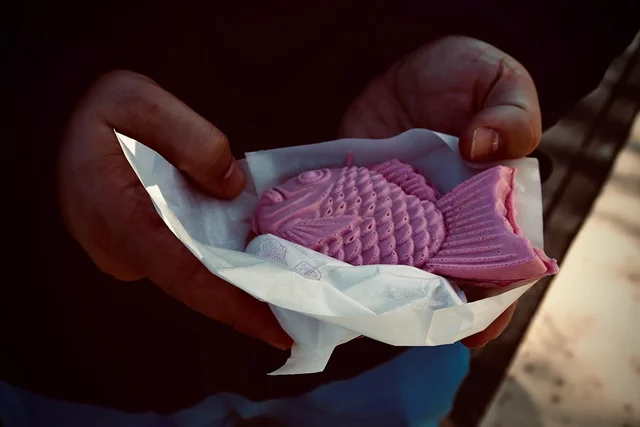
- Red beans: A core ingredient in bungeoppang (fish-shaped bread) and patbingsu (shaved ice), providing a gentle sweetness and soft texture.
- Black sesame: Used frequently in modern cakes and lattes to maximize its nutty flavor.
- Mugwort: Utilized in rice cakes and desserts to add an aromatic flavor and emphasize a healthy image.
Integration with modern cafe culture
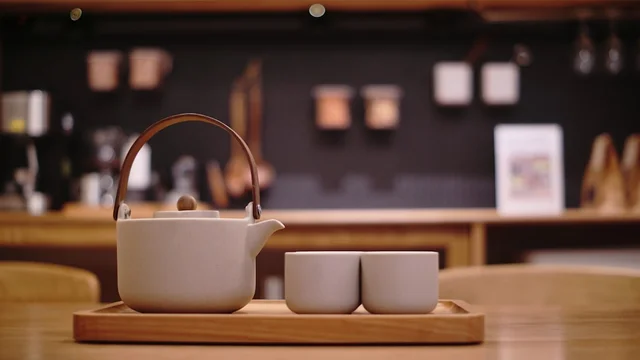
Korean cafes are not just spaces for drinking beverages, but cultural hubs for experiencing visually stunning desserts. These aesthetically pleasing snacks, served alongside creative interior designs, have gained global attention via social media. In particular, menus like tarts made with seasonal fruits or croffles are beloved by the younger generation and have become a key element in forming Korea's unique cafe sensibility.