K-Culture World

Food · 2026. 9. 10.

The Charm of Dessert Culture and 4 Must-Try Snacks in Korea

BY 김민중

The Charm of Dessert Culture and 4 Must-Try Snacks in Korea

How Korean Dessert Culture Has Evolved

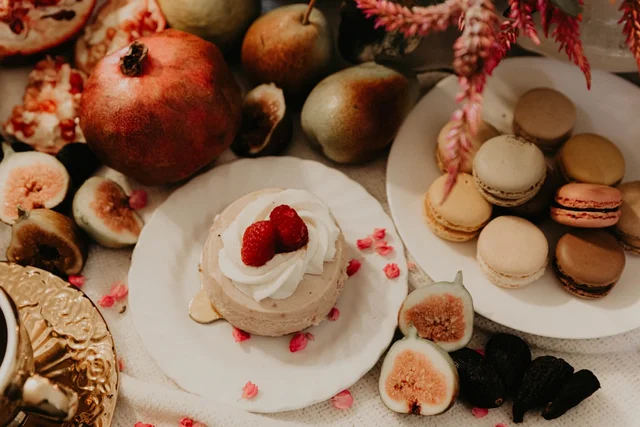
Korean dessert culture began with traditional sweets enjoyed in the royal court and has evolved into glamorous café menus that capture the palates of people worldwide. For Koreans, a sweet bite after a meal is more than just a snack; it has become an important medium for communication and relaxation. Recently, modern interpretations using traditional ingredients like red bean, mugwort, and black sesame have gained immense popularity.

Modern Reinterpretation of Traditional Snacks

  • Harmony of Rice Cake and Bread: There are many fusion menus that combine the chewy texture of rice cakes with Western baking techniques.
  • Use of Local Ingredients: Menus featuring creams and fillings that highlight unique Korean flavors like Injeolmi (roasted soybean powder) and black sesame are mainstream.

The Joy of Korean Café Tours

Korean cafés are more than just places to drink coffee; they are complex cultural spaces where you can enjoy visually stunning snacks. Menus utilizing seasonal fruits are released each season, providing a new experience with every visit. In particular, visiting café streets in major cities like Seoul and Busan allows you to encounter plating with a unique Korean sensibility. Thanks to this cultural background, the Korean café industry is growing rapidly and presenting new trends every year. Checking the latest popular menus on social media before your visit will help you plan a more satisfying gourmet trip.

4 Representative Korean Desserts You Must Try

Snacks you must try when visiting Korea each boast their own unique texture and flavor. If you want to properly experience the taste of Korea, keep an eye on the following four menus. These snacks, each with their own charm, well illustrate the level of Korean gastronomy.

Essential Recommendation List

  • Bingsu: Korean-style shaved ice topped with red beans, fruits, or rice cakes is the best snack for the summer.
  • Hotteok: Commonly seen on the streets, Hotteok is filled with sweet sugar syrup and is especially popular in winter.
  • Yakgwa: A traditional pastry made by frying a mixture of flour, honey, and sesame oil, it has recently gained renewed attention for its chewy texture.
  • Bungeoppang: A representative winter snack made by baking batter in a fish-shaped mold filled with red bean paste or custard cream.

You can feel a richer taste if you choose soft milk-based ice for Bingsu. Be careful when eating Hotteok as the syrup inside can be very hot when freshly baked. Yakgwa tastes even more luxurious when eaten cold or served with vanilla ice cream. For Bungeoppang, we recommend the red bean version if you prefer the natural sweetness of red beans, or the custard cream version if you want a soft and sweet flavor. These snacks are easily found in Korean markets or downtown areas and offer high satisfaction at a reasonable price.

Tips for Choosing the Perfect Dessert

Selecting a menu that suits your taste among various snacks is the key to a gourmet trip. Korean cafés and bakeries are highly specialized, offering a wide range of choices. Use the following criteria to find your own favorite menu.

Selection Guidelines

  • Check Texture Preferences: If you like chewy textures, we recommend menus containing rice cakes or glutinous rice.
  • Sugar Level Control: If you find intense sweetness burdensome, choose a base with mild grain flavors like mugwort or black sesame.
  • Utilize Seasonal Fruits: Menus topped with seasonal fruits like strawberries, peaches, or Shine Muscat grapes offer the highest freshness.

Precautions and Storage Tips

  • Consume on the Day of Purchase: Most snacks are best enjoyed immediately after purchase as freshness is essential.
  • Storage Methods: Keep rice cakes or breads in a cool place away from direct sunlight. When refrigerating, use an airtight container to prevent them from drying out. Menus with cream spoil easily, so if you have a long travel time, it is recommended to use an ice pack. Also, since kiosk ordering is common in Korean cafés, it is a good idea to carefully check the menu board with photos if you are trying a menu for the first time. Remembering these small tips will make your gourmet experience in Korea even more enjoyable and fulfilling.

Frequently Asked Questions

What is the significance of dessert in Korea?+

In Korea, dessert is a sweet treat enjoyed as a finish to a meal. Recently, it has evolved beyond a simple snack to become an important element symbolizing communication and relaxation, closely linked with café culture. Koreans enjoy a culture of seeking out beautiful cafés with friends or partners to share visually appealing and delicious snacks, helping to relieve daily stress.

What are the most popular types of desserts in Korea?+

The most popular desserts in Korea include Bingsu in the summer, and Bungeoppang and Hotteok in the winter. Yakgwa and modern fusion bakeries using rice cakes are loved throughout all four seasons. Recently, sophisticated desserts using traditional ingredients like black sesame, mugwort, and Injeolmi have been consistently gaining attention among the younger generation.

How can I find delicious desserts while traveling in Korea?+

The most effective way to find desserts is by using social media hashtags. Searching for keywords like 'café' or 'matjib' (tasty place) along with a location name on platforms like Instagram makes it easy to discover trendy shops frequently visited by locals. Additionally, visiting café streets in major downtown areas allows you to experience Korea's unique dessert culture firsthand.

Share

Show us your style! Share with #kcultureworld on Instagram & TikTok.

About the author

김민중

Writes practical guides to Korean beauty and food for overseas readers — Olive Young, convenience stores, and how-to tips.

More from 김민중

Comments

No sign-up or login required.

No comments yet. Be the first to comment.