Characteristics and Evolution of Korean Dessert Culture
Korean dessert culture has evolved by utilizing ingredients that highlight the essence of each season. While traditional rice cakes (tteok) and confectionery (hangwa) dominated the past, fusion forms combining Western-style baking have recently gained popularity. For Koreans, the time spent enjoying sweet treats after a meal has become more than just snacking; it is a vital social space for connecting with loved ones.
Modern Twists on Traditional Treats
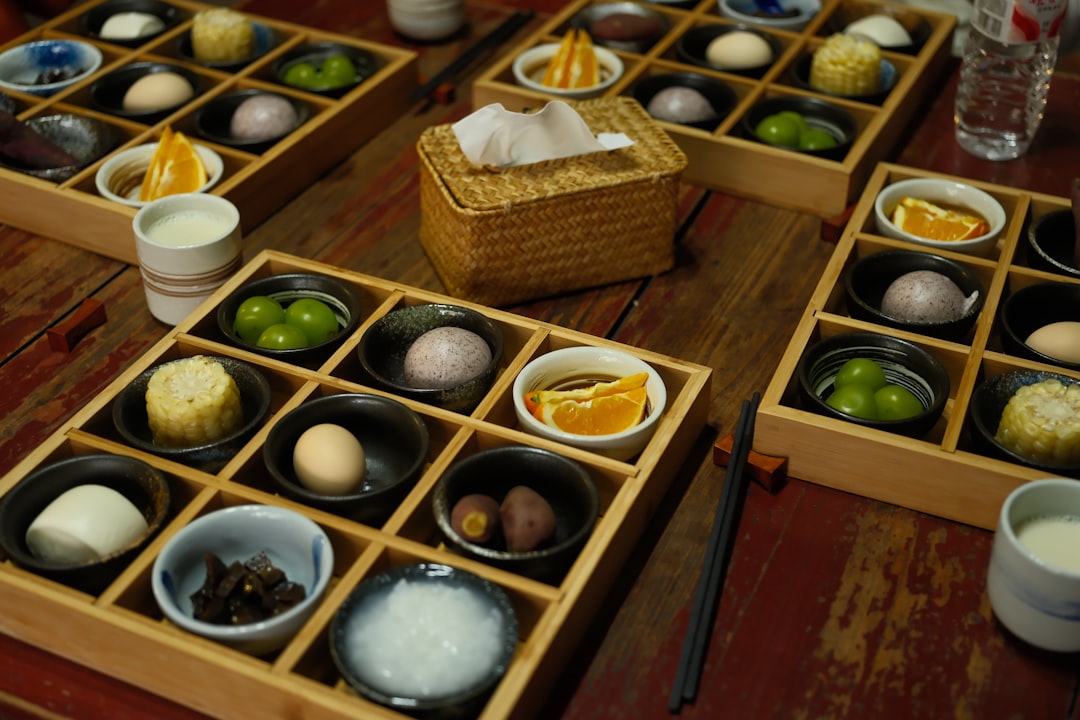
Traditional rice cakes and hangwa are being reinterpreted to suit modern palates. In particular, fusion rice cakes topped with cream or fruit are beloved by the younger generation.
- Cakes and macarons featuring black sesame and injeolmi (roasted soybean powder)
- Expansion of vegan desserts using plant-based ingredients
- Popularization of tea sets enjoyed with traditional Korean tea
The Joy of Cafe Hopping
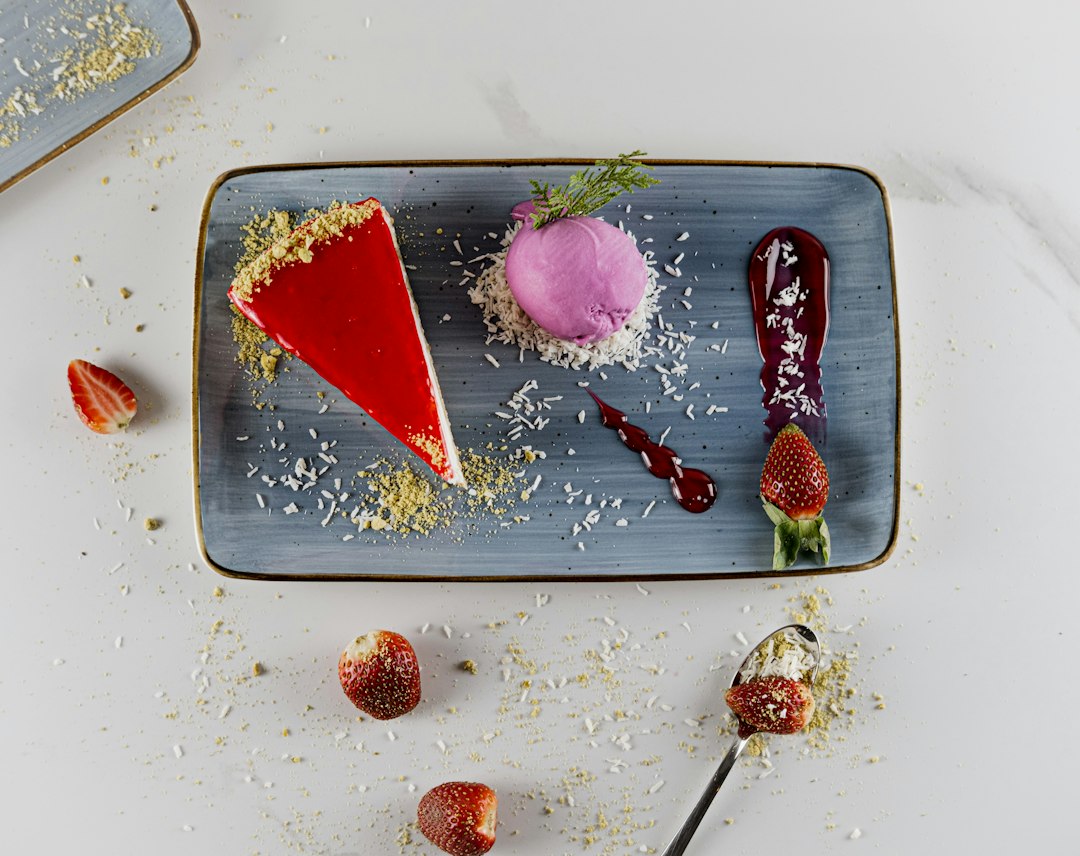
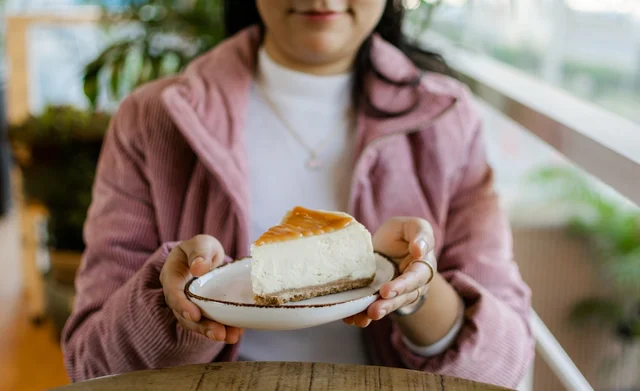
Korean cafes are spaces that showcase unique interior designs and distinctive menus. Rather than just being places to drink coffee, they develop diverse dessert menus that consider visual appeal, offering visitors a unique experience. Famous streets often feature 'cafe alleys' where you can compare and enjoy various flavors.