Why is Korean dessert culture so beloved?
Korean desserts have evolved beyond simple post-meal sweets into a form of cultural art that captures the changing seasons and heartfelt craftsmanship. Recently, fusion menus that reinterpret traditional ingredients in a modern way have gained popularity and are receiving global attention.
The harmony of tradition and modernity
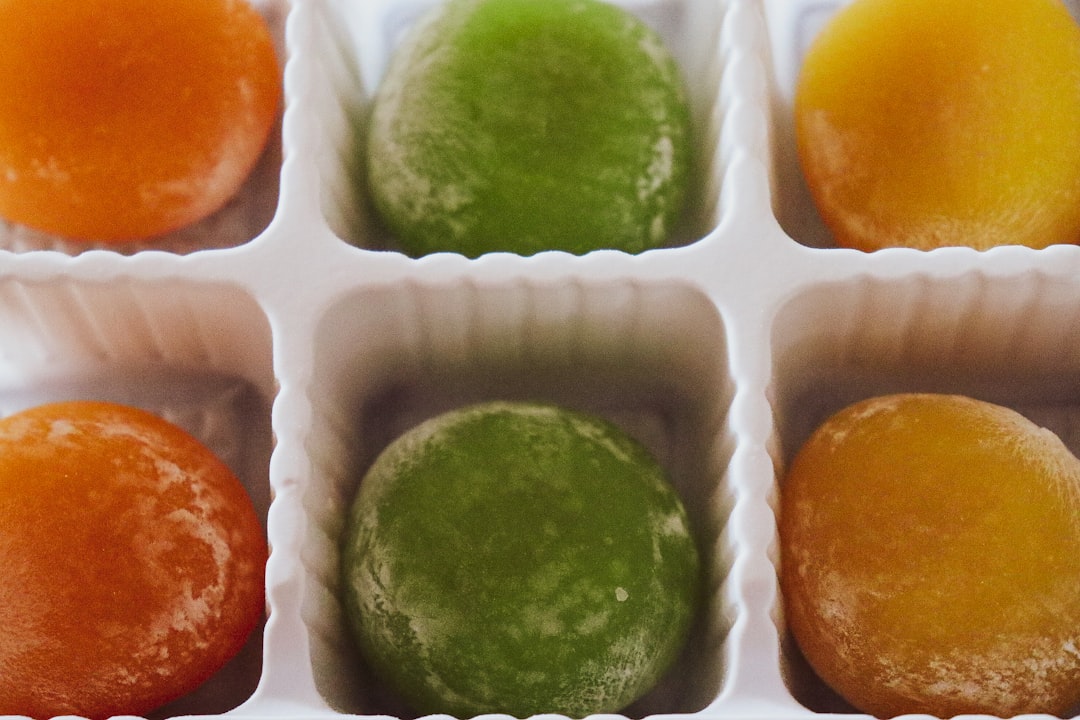
- They pursue a subtle, natural sweetness by utilizing grains and natural ingredients rather than overpowering flavors.
- Past rice cakes and traditional confectioneries (hangwa) have evolved into new forms of snacks by combining with modern cafe menus.
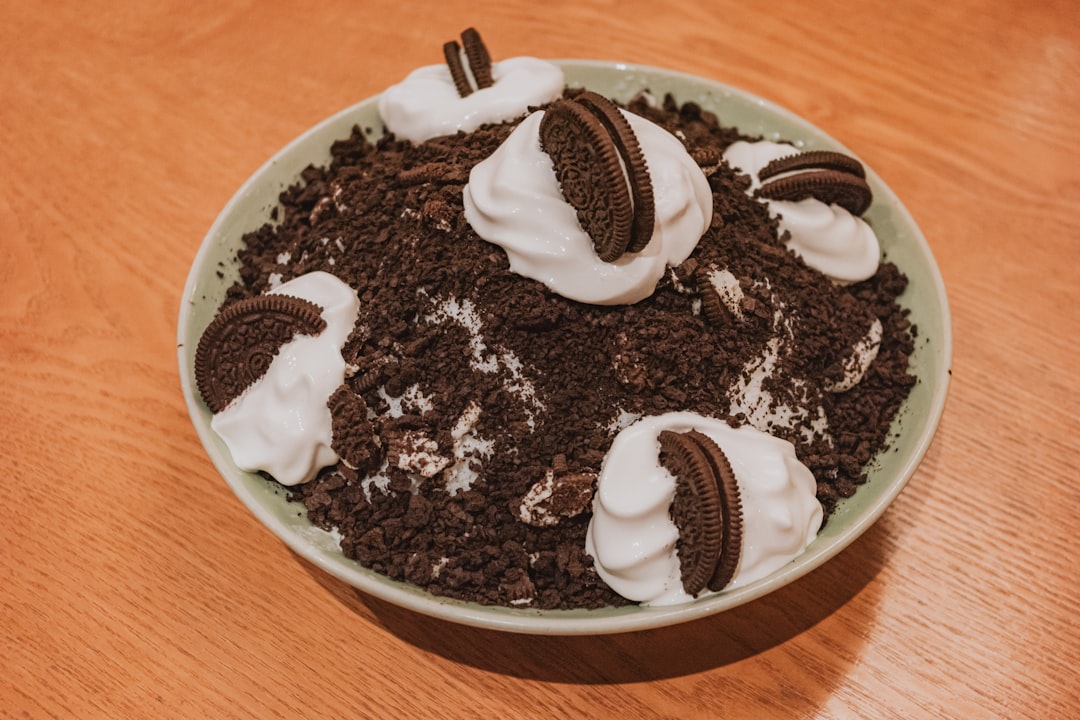
- The emphasis on visual aesthetics aligns perfectly with the culture of food photography.
Points to consider when choosing a dessert
When choosing a dessert in Korea, it is helpful to distinguish whether you want a light treat to enjoy after a meal or something to savor slowly with coffee or tea. Many recent Korean cafes emphasize not only taste but also the atmosphere of the space and unique plating. In particular, gluten-free, rice cake-based menus are highly popular among health-conscious consumers. Additionally, since seasonal menus using fresh fruits are released throughout the year, choosing a seasonal fruit dessert is the best way to enjoy the freshest flavors.