K-Culture World

Food · 2026. 9. 13.

The Charm of Dessert Culture and Must-Try Korean Treats

BY 김민중

The Charm of Dessert Culture and Must-Try Korean Treats

Why Korean Dessert Culture is So Beloved

Korean desserts are more than just a sweet treat; they serve as a way to cleanse the palate after a meal and act as a medium for continuing conversation. Recently, the Korean dessert market has seen a surge in popularity for fusion styles that reinterpret traditional ingredients through a modern lens, with visual aesthetics becoming a key component.

The Modern Transformation of Traditional Desserts

Once reserved for holidays, rice cakes (tteok) and traditional confectionery (hangwa) have evolved into sophisticated shapes and flavors that cater to younger tastes. Notable examples include cakes and macarons infused with injeolmi (roasted soybean powder) or black sesame.

  • Wholesome Ingredients: Natural ingredients like red beans, mugwort, and black sesame are used to create a gentle, balanced sweetness.
  • Visual Appeal: Neat and artistic plating has made these treats a massive hit on social media platforms like Instagram.

The Fusion of Cafe Culture

Korean cafes are not just places to drink coffee; they are complex cultural spaces for enjoying desserts. Along with unique interior designs, these cafes feature signature menus found nowhere else. Bingsu (shaved ice) topped with seasonal fruits and artisanal toasts represent the essence of Korean cafe culture. Each shop offers its own unique recipes, providing visitors with a special experience that has become a fascinating tourist attraction in its own right.
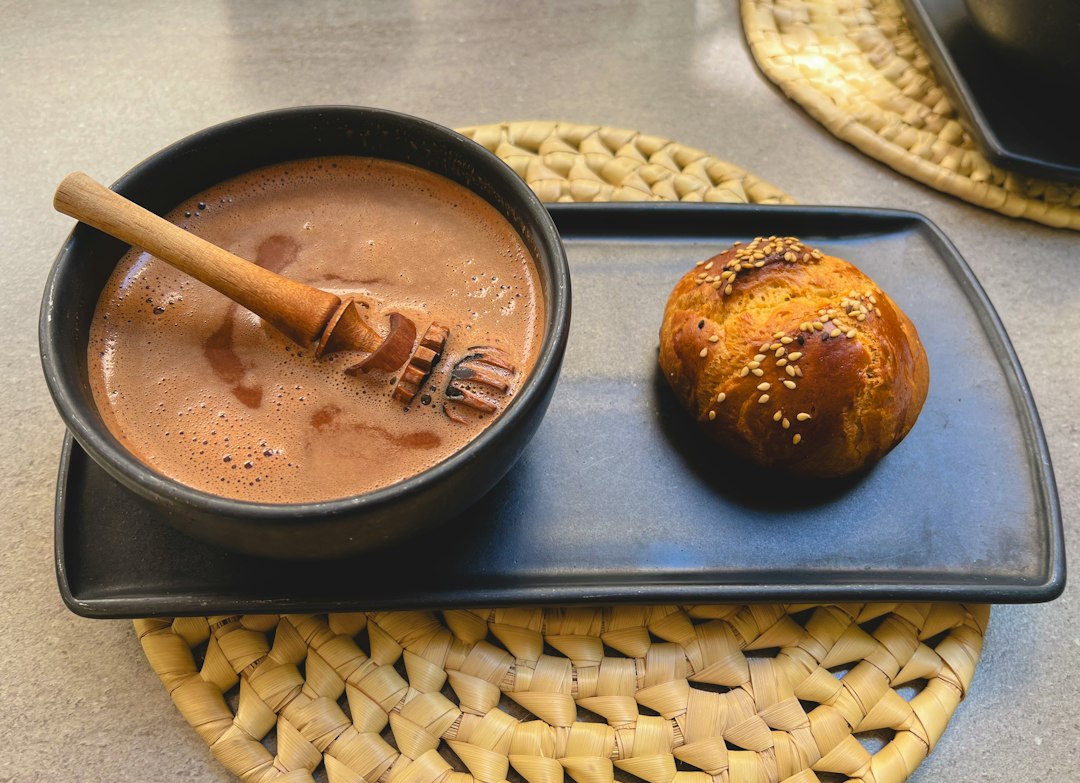
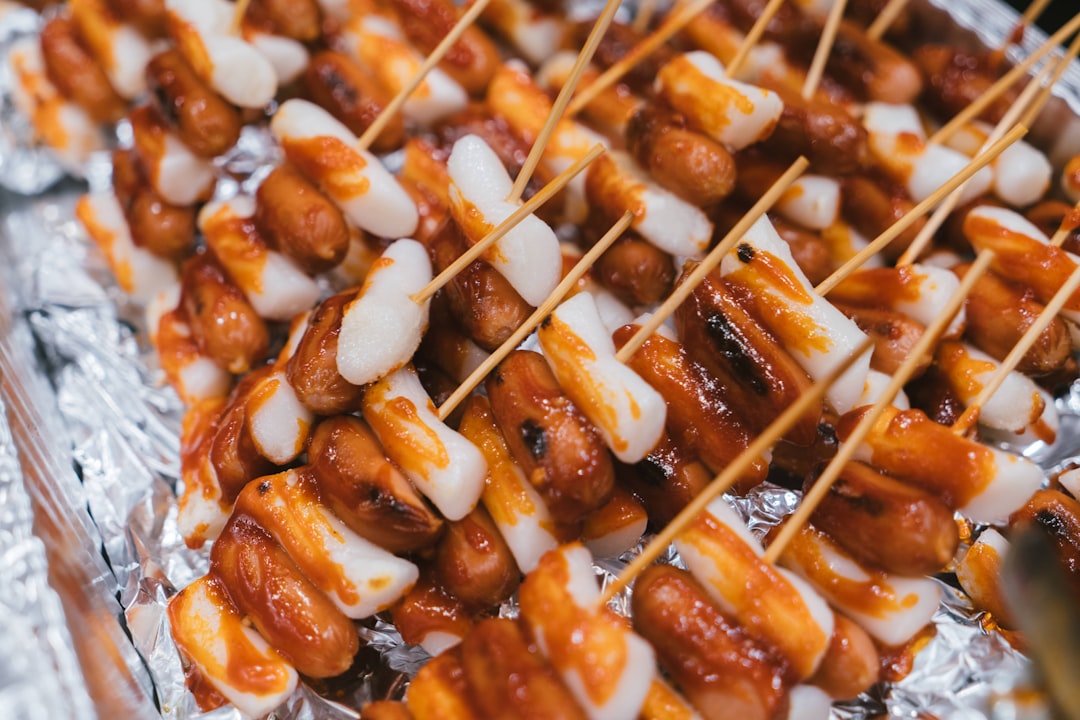
Korean Dessert Sets

SHOP THE LOOK: Korean Dessert Sets

3 Representative Korean Desserts You Must Try

There are several iconic menu items worth trying while traveling in Korea or enjoying Korean cuisine. Each offers a unique texture and aroma, providing a wide range of choices.

Bingsu and Sweet Red Bean Porridge

Bingsu is a quintessential Korean summer dish made of finely shaved ice topped with red beans, rice cakes, and fruit. In winter, warm sweet red bean porridge (danpatjuk) takes its place; both are among the most beloved snacks for Koreans.

  • Snowflake Bingsu: Made with frozen milk, this dessert has a soft, delicate texture that melts in your mouth.
  • Benefits of Red Beans: Rich in dietary fiber, red beans aid in digestion and help maintain a feeling of fullness.

Rice Cakes and Hangwa

Rice cakes (tteok) are made primarily from rice and are prized for their chewy texture. Recently, artistic designs like bean-paste flower rice cakes have become popular as gifts. Hangwa, traditional confectionery made with honey and grains, pairs perfectly with tea to enhance its flavor. These treats rely on the natural taste of their ingredients without artificial additives, offering great satisfaction for health-conscious modern consumers.

Tips for Enjoying Desserts Even More

To fully appreciate Korean desserts, pairing them with the right beverage is crucial. The depth of flavor can change significantly depending on your choice.

The Harmony of Tea and Dessert

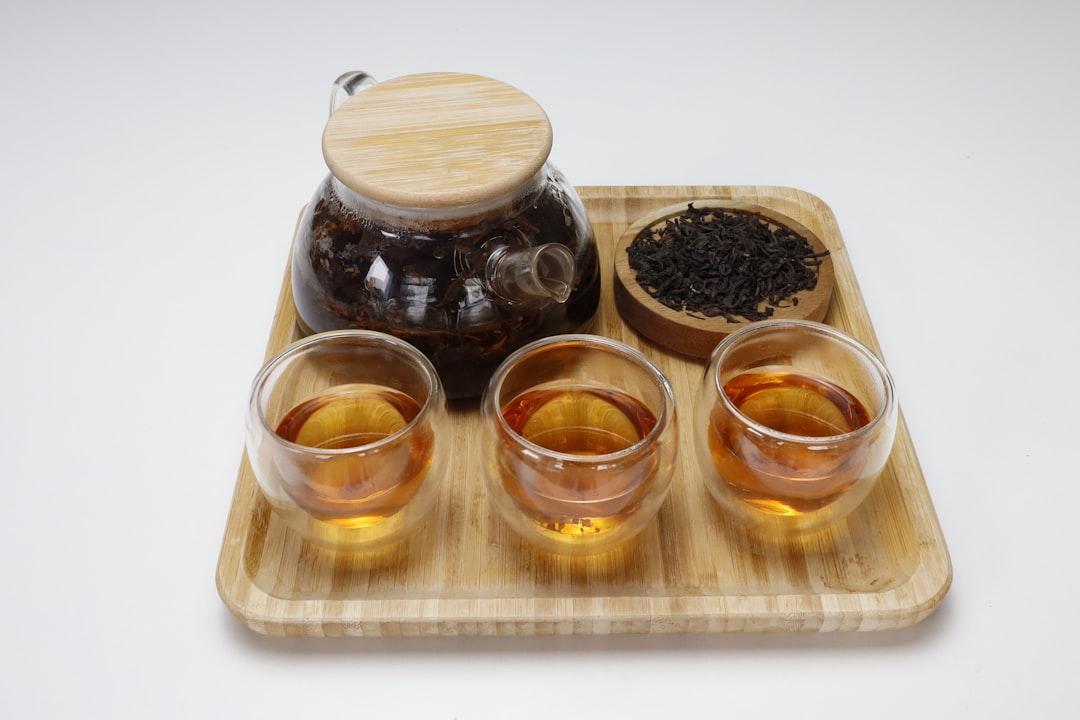
Bitter tea pairs best with sweet desserts. Traditional Korean teas like green tea or buckwheat tea neutralize the sweetness and cleanse the palate. A warm cup of tea enjoyed with rice cakes or hangwa offers a moment of true Korean relaxation.

Checklist for Healthier Choices

  • Check Sugar Levels: Modern desserts can be high in sugar, so it is best to enjoy them in moderation.
  • Check Ingredients: Menus featuring mugwort, sweet pumpkin, or black sesame are highly recommended for their high nutritional value and savory taste.
  • Freshness: Since the quality of rice cakes and bingsu depends on freshness, it is recommended to consume them as soon as possible after purchase.

By following these small tips, you can enjoy a richer experience of Korea's vibrant dessert culture. Find a menu that suits your taste and discover the charm of Korean culinary culture for yourself.

Frequently Asked Questions

What does dessert mean in Korean food culture?+

For Koreans, dessert is an important cultural ritual for cleansing the palate after a meal, chatting, and relaxing. While it was traditionally centered around rice cakes and hangwa, it has evolved into a diverse and creative array of cakes, bingsu, and fusion snacks integrated with modern cafe culture.

What are some recommended Korean desserts?+

Recommended Korean desserts include bingsu with its soft milk-ice texture, chewy injeolmi, and black sesame cakes made with healthy ingredients. Desserts featuring seasonal fruits that highlight Korea's seasonal charm are also very popular among visitors.

Where can I buy traditional desserts?+

Traditional desserts can be purchased at large department store food halls, traditional markets, and specialized rice cake shops. Recently, many hangwa gift sets come in sophisticated packaging, making them very convenient for foreign tourists to purchase as souvenirs.

Share

Show us your style! Share with #kcultureworld on Instagram & TikTok.

About the author

김민중

Writes practical guides to Korean beauty and food for overseas readers — Olive Young, convenience stores, and how-to tips.

More from 김민중

Comments

No sign-up or login required.

No comments yet. Be the first to comment.