K-Culture World

Food · 2026. 9. 14.

The Charm of Dessert Culture and 4 Must-Try Sweet Snacks in Korea

BY 김민중

The Charm of Dessert Culture and 4 Must-Try Sweet Snacks in Korea

How Korean Dessert Culture Has Evolved

Recently, the Korean dessert market has been growing rapidly, harmonizing tradition with modernity. For Koreans, enjoying a sweet treat after a meal is not just about filling up; it has become an important cultural ritual for relaxing and sharing conversation with others. Rice cakes (tteok) and traditional confectionery (hangwa), which were once reserved for holidays or feasts, have now transformed into sophisticated snacks enjoyed in daily life.

Reinterpretation of Traditional Snacks

  • Rice Cakes (Tteok): Fusion rice cakes that highlight a chewy texture are gaining popularity.
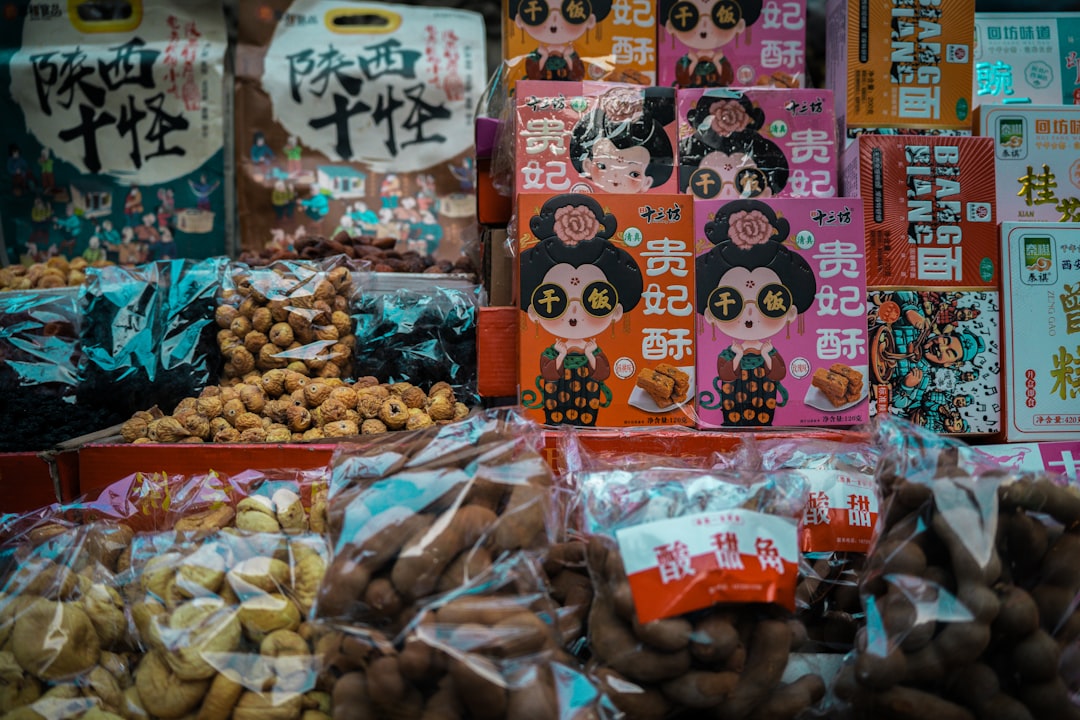
  • Hangwa: Traditional methods paired with modern packaging make these a popular choice for gifts.
  • Sikhye and Sujeonggwa: Traditional beverages have been reborn as cafe menu staples and are widely loved.

Integration with Cafe Culture

Korean cafes are not just spaces for drinking coffee. Many offer visually stunning desserts alongside unique interior designs. Cafes that go viral on social media, in particular, develop new menus every season to provide visitors with fresh experiences. Korean cafes have now become tourist attractions in their own right, and at the center of this is always a creative dessert. If you are visiting Korea, cafe-hopping to discover the unique charms of each neighborhood is a great way to travel.
Traditional Snack Sets

SHOP THE LOOK: Traditional Snack Sets

4 Representative Korean Desserts You Must Try

Korea offers a wide variety of attractive desserts that even foreigners can easily enjoy. Among them, we have selected four representative items that best showcase Korean food culture. Each menu boasts a harmony of ingredients and unique textures, which will make your memories of traveling in Korea even sweeter.

Korean Dessert Recommendation List

  • Patbingsu: A Korean-style shaved ice topped with sweetened red beans, fruits, and rice cakes.
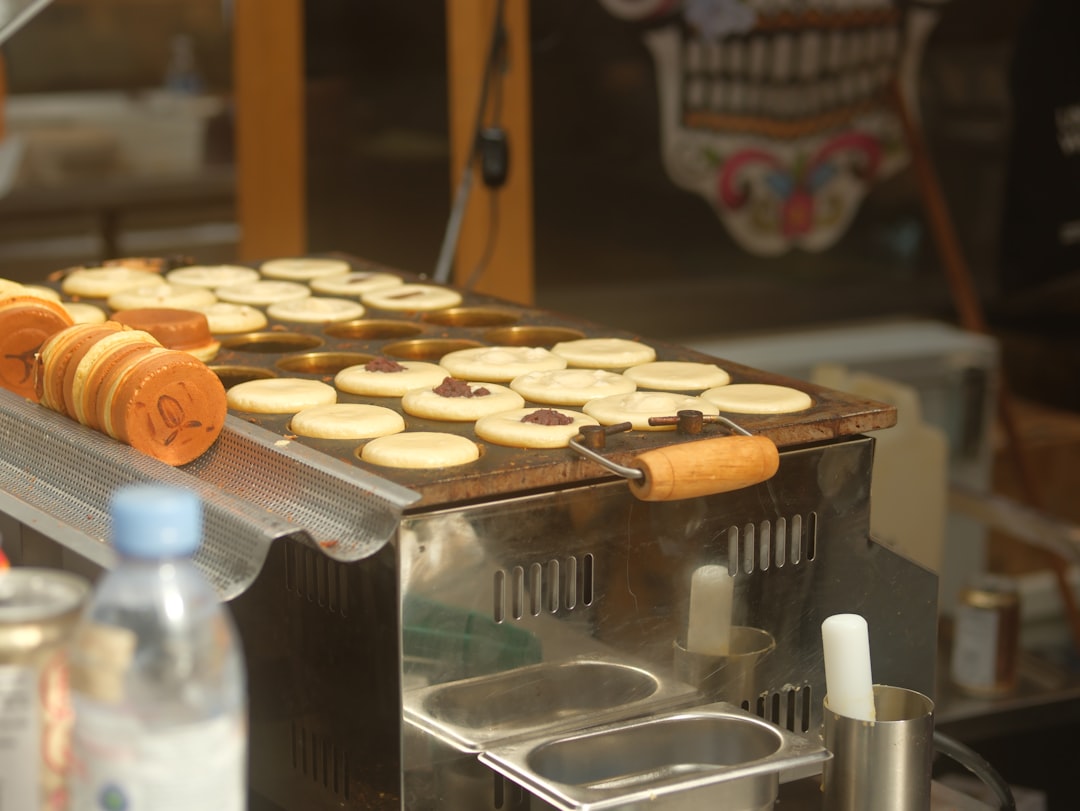
  • Hotteok: A famous street food, this is a warm snack filled with sweet sugar syrup.
  • Yakgwa: A traditional pastry made by frying dough mixed with honey and oil, which has recently seen a surge in popularity.
  • Macarons (Korean Style): Known as 'Fatcarons' (ddung-caron), these are famous for being filled with thick layers of filling, adapted to the Korean palate.

These snacks are characterized by highlighting the natural flavors of their ingredients without being overly sweet. Patbingsu, in particular, is the most beloved summer snack for Koreans, and recently, versions using various fruits like mango or strawberry have been released, broadening the range of choices. Hotteok is best when eaten fresh off the street griddle on a cold winter day, while Yakgwa's signature chewy texture and cinnamon scent make it a perfect companion for tea. These snacks can be easily found in Korean supermarkets, traditional markets, or sophisticated bakery cafes.

4 Ways to Enjoy K-Pop: A Global Trend Guide to Korean Culture

SHOP THE LOOK: Popular Korean Snacks

Tips for Enjoying Desserts Even More

To enjoy desserts perfectly in Korea, there are a few things to consider. Korean dessert culture places great importance on seasonality, so it is recommended to choose menus that utilize seasonal ingredients based on the time of your visit. Also, since Koreans prefer a clean finish after a meal, it is recommended to pair sweet desserts with an Americano or green tea.

Dessert Selection Guide

  • Check Seasonal Menus: Strawberry in spring, watermelon or melon in summer, and chestnut or sweet pumpkin in autumn are popular choices.
  • Pairing Recommendations: Snacks with high sweetness are well-balanced when eaten with bitter tea or black coffee.
  • Packaging Culture: Many cafes offer gift-ready packaging, which is great for souvenirs.

Precautions and Tips

  • Check Sugar Levels: Some desserts can be quite sweet, so ask if the sweetness level can be adjusted when ordering.
  • Allergen Information: Many items contain nuts or dairy, so be sure to check beforehand if you have allergies.
  • Business Hours: Popular cafes in Korea can be very crowded on weekends, so visiting on a weekday afternoon allows for a more relaxed experience. By preparing with these details in mind, you will have a more satisfying experience of Korea's sweet culture.
Cafe Dessert Tableware

SHOP THE LOOK: Cafe Dessert Tableware

Frequently Asked Questions

What does dessert mean in Korean food culture?+

In Korean food culture, dessert is the finale of a meal and a medium for social interaction. Koreans enjoy moving to a cafe after a meal to share tea and sweet snacks while continuing their conversation. This has become an important part of daily life that goes beyond the simple act of eating, helping to build emotional bonds.

What are the most popular Korean dessert recommendations?+

The most popular Korean desserts are definitely Patbingsu and Hotteok. Patbingsu is an essential summer menu item featuring a perfect harmony of ice and red beans, while Hotteok is a warm delicacy enjoyed on the streets during winter. Additionally, desserts that reinterpret traditional Yakgwa in a modern way have recently become very popular among the younger generation.

Where can I buy or experience Korean-style desserts?+

Korean-style desserts can be easily experienced in snack sections of large supermarkets, traditional markets, and trendy cafes throughout the city. You can find authentic Hangwa and rice cakes in traditional cultural districts like Insadong, and discover a variety of modern fusion desserts in trendy areas like Hongdae or Seongsu-dong.

Share

Show us your style! Share with #kcultureworld on Instagram & TikTok.

About the author

김민중

Writes practical guides to Korean beauty and food for overseas readers — Olive Young, convenience stores, and how-to tips.

More from 김민중

Comments

No sign-up or login required.

No comments yet. Be the first to comment.