Why is Korean dessert culture so special?
Korean dessert culture has evolved beyond simply eating something sweet after a meal; it has become an important social activity for connecting with others and taking a break. In particular, Korea has a unique culinary environment where traditional grain-based snacks and Western-style bakeries coexist in harmony.
Reinterpreting traditional snacks
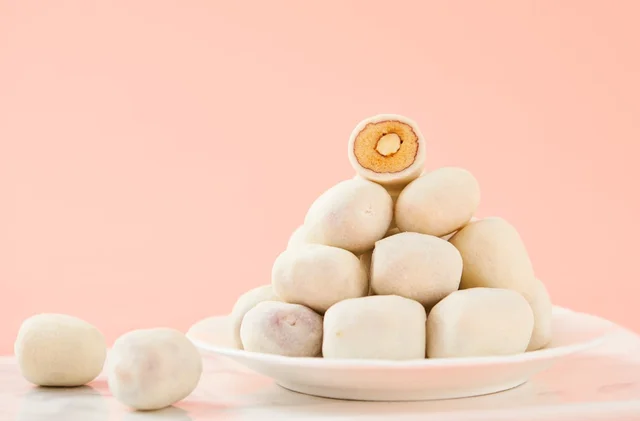
Menu items that reimagine traditional Korean flavors with a modern twist are highly popular. Snacks like tteok (rice cakes), hangwa (traditional sweets), and sikhye (sweet rice beverage) have been transformed into sophisticated treats by adjusting sweetness levels to suit modern palates while adding vibrant, eye-catching visuals, all while maintaining their authentic, subtle flavors.
- Tteok: Known for its chewy texture, it is often paired with soybean powder or red bean paste to maximize its nutty flavor.
- Hangwa: A representative traditional confection made with honey and grains, offering a crispy texture and a subtle, natural sweetness.
- Sikhye: A traditional beverage made from malt water, known for its clean taste that aids digestion after a meal.
Modern cafe bakery trends
Korean cafes are not just places to drink coffee; they are complex cultural spaces where you can enjoy a variety of visually stunning and delicious baked goods. In particular, cakes featuring seasonal fruits and uniquely shaped baked treats are gaining global attention through social media.
- Fruit Tarts: Topped with generous amounts of fresh seasonal fruit, they provide both visual satisfaction and a refreshing taste.
- Croffles: A popular Korean dessert made by pressing croissant dough in a waffle iron to create a crispy texture.
- Macarons: Korean-style macarons, known as 'ttung-carons' (fat macarons), are characterized by their thick, generous fillings.