Why Korean dessert culture is so beloved
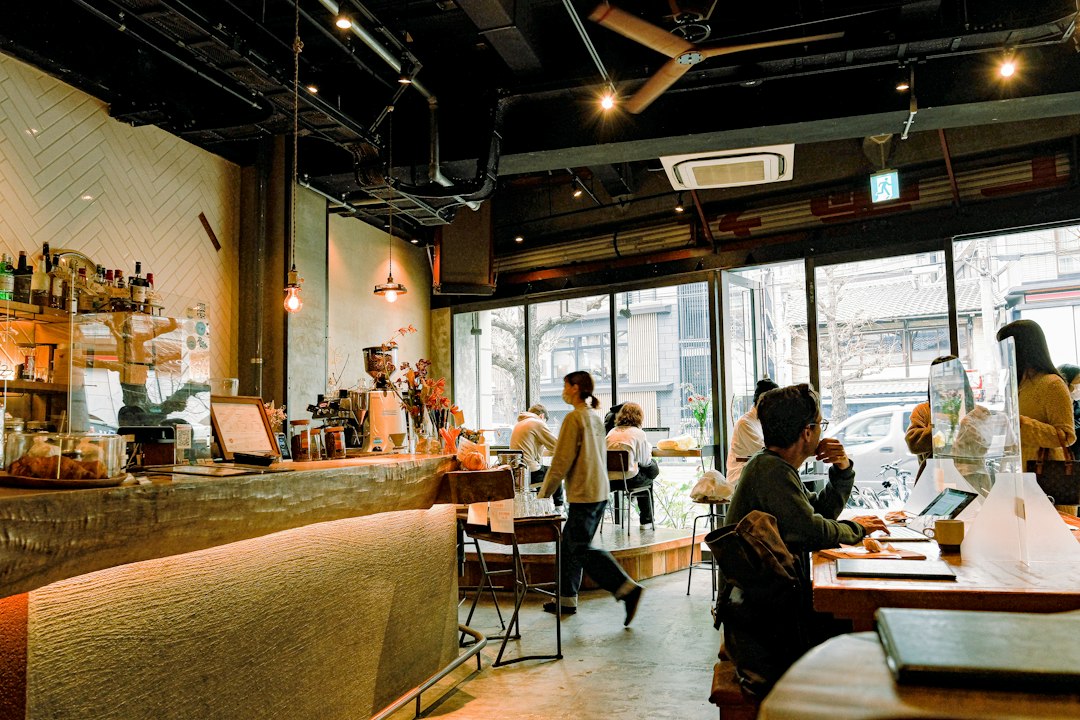
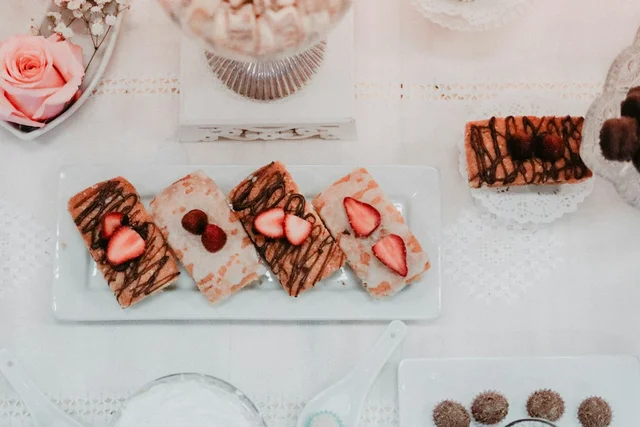
Korean dessert culture began with traditional refreshments once enjoyed in the royal court and has now evolved by combining with a unique cafe culture, captivating palates worldwide. In Korea, the word 'dessert' goes beyond just a sweet treat after a meal; it has established itself as an important cultural activity for socializing and relaxing with friends. It is particularly characterized by the use of seasonal ingredients and plating that maximizes visual appeal.
The harmony of tradition and modernity
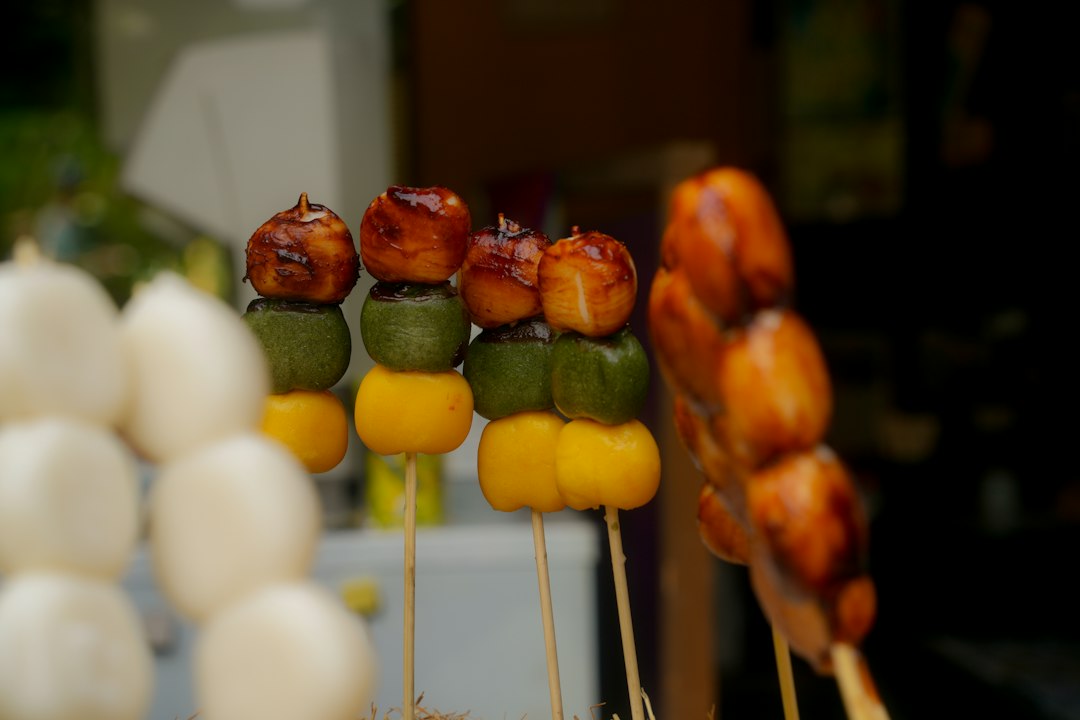
Korean cafes are actively experimenting with incorporating traditional ingredients like red beans, black sesame, and injeolmi (soybean powder-coated rice cake) into modern baking techniques. This fusion approach is gaining immense popularity not only among the younger generation but also with international tourists seeking healthy snacks.
- Use of healthy ingredients like black sesame lattes and mugwort cakes
- Increase in dessert cafes that reinterpret traditional rice cakes in a modern way
- Instagrammable cafe culture that prioritizes visual perfection
Region-specific snacks
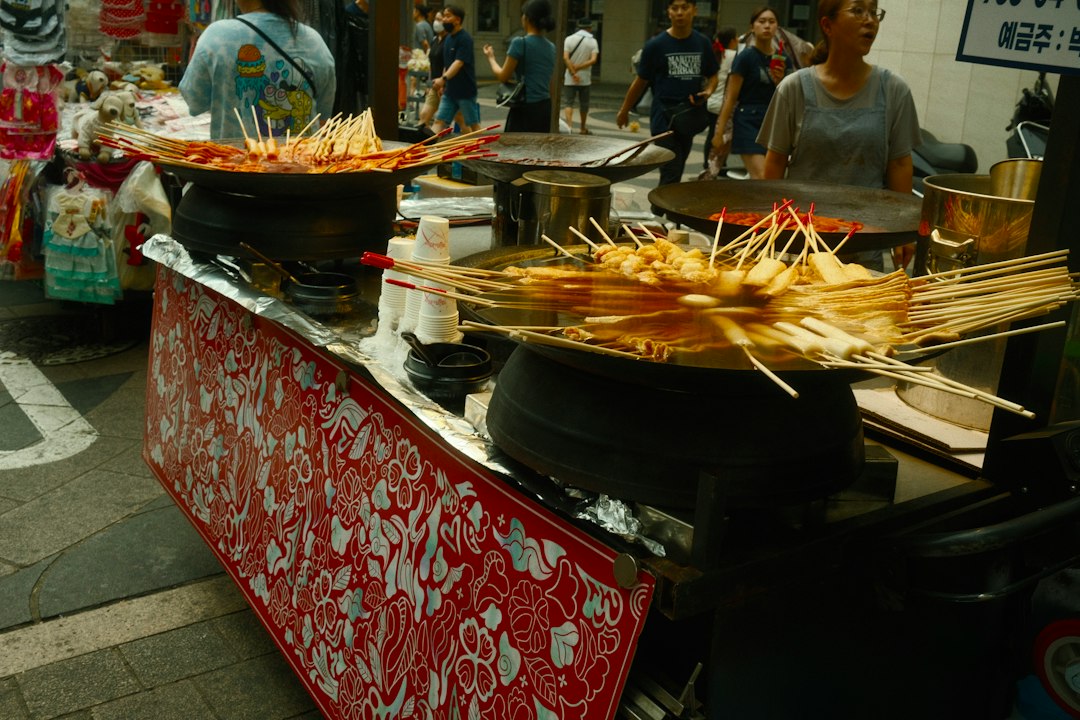
Each region in Korea has its own unique local specialty snacks that can only be tasted in that area. Snacks utilizing local specialties, such as Gyeongju's chal-bori-ppang (sticky barley bread) and Jeonju's Choco Pie, add to the joy of traveling. These snacks are also popular as souvenirs and are important elements that showcase the depth of Korean food culture.