K-Culture World

Food · 2026. 11. 1.

Dessert Trends: A Guide to the Most Popular K-Food Sweets Right Now

BY 김민중

Dessert Trends: A Guide to the Most Popular K-Food Sweets Right Now

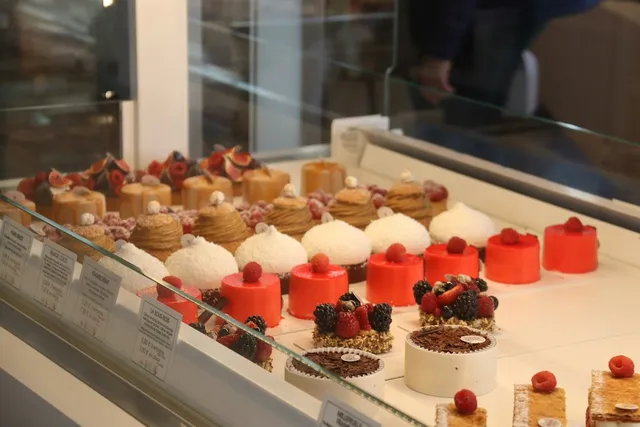
Recently, the Korean dessert market has evolved beyond simple snacks into a cultural phenomenon. Especially with the rise of the K-Food wave, menus that reinterpret traditional sweets with a modern twist are being widely embraced by everyone from the younger generation to middle-aged adults. These treats are characterized by their emphasis on visual appeal and unique textures, going beyond just a sweet taste.

The Glamorous Transformation of Traditional Desserts

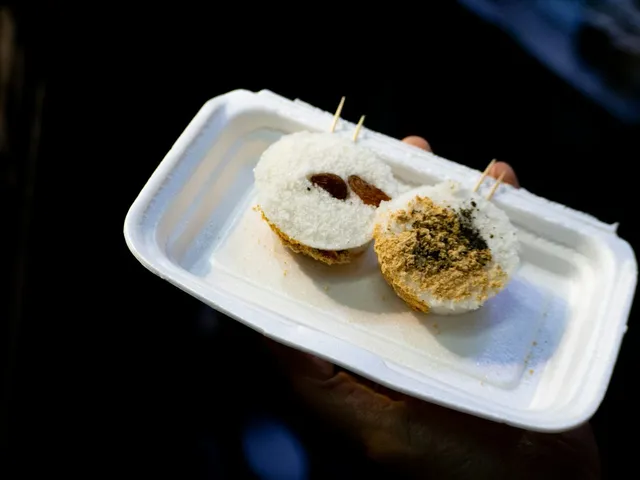
Traditional snacks like yakgwa (honey cookies) and gaeseong juak (fried rice cakes) have been reborn with a modern sensibility. The key lies in improving their traditionally hard or overly sugary profiles by pairing them with cream or ice cream to create a harmonious new flavor experience.

  • Yakgwa: Popular for its chewy texture, it is now often enjoyed paired with vanilla ice cream.
  • Gaeseong Juak: A traditional snack made by frying glutinous rice flour and coating it in grain syrup, now often garnished with fruits or nuts for a vibrant, upscale presentation.

Desserts That Offer Visual Delight

Desserts that spread rapidly through social media boast visuals that are just as impressive as their taste. Fruit-based desserts like tanghulu provide both a satisfying sound and fun experience through their thin, crispy sugar coating, further enriching Korea's dessert culture.

  • Tanghulu: The combination of fresh fruit sweetness and crispy sugar has made this an explosive hit among the younger generation.
  • Croffle: A fusion of croissant dough baked in a waffle iron, allowing for endless customization with various toppings to suit individual tastes.

3 Ways to Enjoy Desserts Even More

To truly experience Korean dessert culture, the pairing of food and beverages is essential. Koreans prefer to enjoy their sweets alongside specific drinks to balance out the sugar or enhance the overall flavor profile.

Pairing with Korean-Style Beverages

It is standard practice to accompany sweet desserts with bitter Korean-style teas or coffee. In particular, Korean cafe culture places great importance on the harmony between desserts and drinks.

  • Americano: The most popular choice, as it cleanses the palate from the intense sweetness of desserts.
  • Sikhye or Sujeonggwa: Pairing traditional desserts with sikhye (sweet rice drink) or sujeonggwa (cinnamon punch) aids in digestion and allows you to experience the deep, authentic flavors of the treats.

Things to Consider When Eating Desserts

To enjoy delicious desserts in a healthy way, it is wise to be mindful of timing and portion size. Check out these tips for fully enjoying your treats while managing your sugar intake.

  • Eat 1-2 hours after a meal: To prevent blood sugar spikes, it is better to enjoy desserts some time after a meal rather than immediately after.
  • Portion control: Since many bite-sized desserts are now available, it is a good habit to serve yourself a moderate amount to prevent overeating.
Dessert Pairing Items

SHOP THE LOOK: Dessert Pairing Items

Criteria for Choosing the Perfect Dessert

With so many options available, choosing a dessert that fits your taste can be challenging. Here are some criteria to help you minimize disappointment when visiting Korean dessert shops or cafes.

Checking Ingredient Freshness

For desserts containing fruit or cream, the freshness of the ingredients determines the quality. It is important to check if they use seasonal fruits and if the products were made that day.

  • Use of seasonal fruits: Desserts featuring fruits that change with the seasons—such as strawberries, Shine Muscat grapes, or tangerines—are the best in terms of both taste and nutrition.
  • Storage conditions: For cream-filled products, it is best to check that they are being kept properly refrigerated.

Characteristics of Brands and Specialty Shops

Korea has many shops that specialize in specific types of desserts. If you identify whether a shop specializes in items like yakgwa or baked goods, you are more likely to find higher-quality treats.

  • Utilize reviews: It is helpful to check local reviews in advance to identify a shop's signature menu items.
  • Sampling opportunities: Many shops offer small bites for tasting, so sampling before purchasing is a great way to ensure satisfaction.

Frequently Asked Questions

What does 'dessert' mean in Korean food culture?+

In Korean food culture, dessert is an important element that concludes a meal and a core part of cafe culture, where people socialize and take a break. Recently, it has been recognized as more than just a snack, but as a form of art that emphasizes seasonal and aesthetic elements, serving as a key medium to showcase the diversity of K-Food.

What are the most popular types of desserts in Korea these days?+

Among desserts, menus that reinterpret traditional snacks like *yakgwa* and *gaeseong juak* are particularly popular. Additionally, items like *tanghulu*, which highlight the natural taste of fruit and a crispy texture, and bakery items like *croffles*, which can be customized with various toppings, are consistently loved by the younger generation.

Are there any tips or recommended pairings for eating Korean desserts?+

To enjoy desserts, it is recommended to pair them with a clean Americano or traditional Korean drinks like *sikhye*. Bitter coffee pairs well with very sweet desserts, while traditional snacks like rice cakes or *yakgwa* go perfectly with *sujeonggwa* or warm teas to achieve a perfect balance of flavor.

Share

Show us your style! Share with #kcultureworld on Instagram & TikTok.

About the author

김
김민중

Writes practical guides to Korean beauty and food for overseas readers — Olive Young, convenience stores, and how-to tips.

More from 김민중 →

Comments

No sign-up or login required.

No comments yet. Be the first to comment.