K-Culture World

Food · 2026. 7. 31.

Types of Korean Street Food and 4 Ways to Enjoy Them

BY 김민중

Types of Korean Street Food and 4 Ways to Enjoy Them

What are the representative street foods you must try in Korea?

Korean street food has evolved beyond simple snacks to satisfy hunger; it has become a cultural staple with its own history and recipes. The most popular menu items include tteokbokki, known for its spicy gochujang-based sauce, crispy fried snacks, and savory fish cake soup. For international travelers, hotteok (sweet pancakes with sugar and nuts) and crispy bungeoppang (fish-shaped pastries) are major hits.

The Essentials: Tteokbokki and Fried Snacks

  • Tteokbokki consists of chewy rice or wheat cakes simmered in a sweet and spicy sauce.
  • Fried snacks, such as squid, sweet potato, and gim-mari (seaweed rolls), are best enjoyed by dipping them into the tteokbokki sauce.
  • Fish cake (eomuk) is served on skewers with warm broth, perfect for warming up in cold weather.

Sweet Dessert-Style Snacks

  • Hotteok is made by filling dough with brown sugar and nuts, then flattening and pan-frying it in oil.
  • Bungeoppang is a classic winter snack made by pouring batter into a fish-shaped mold and filling it with sweet red bean paste.
  • Gyeran-ppang (egg bread) is a savory and filling snack made by baking a whole egg on top of a pancake-like batter.

These foods can be easily found at traditional markets or street stalls near subway stations. With most items costing only a few thousand won, it is affordable and easy to try a wide variety of snacks.
3 Steps to Enjoying Street Food Safely and Deliciously

When enjoying street food, taste is important, but it is also good to consider hygiene and convenience. As these are high-traffic areas, it is essential to follow basic etiquette. Choosing spots frequently visited by locals often ensures a high turnover rate, which means the food is more likely to be fresh.

Smart Selection Criteria

  • Choose stalls with a constant flow of customers and high turnover for better freshness.
  • Observe whether the cooking process is transparent and check the cleanliness of the cooking utensils.
  • Ensure prices are clearly marked to avoid any unnecessary misunderstandings.

Dining Precautions and Tips

  • Many street stalls prefer cash or bank transfers, so carrying a small amount of cash is convenient.
  • When eating on the street, it is best to stand in a corner or a designated area to avoid obstructing pedestrian traffic.
  • Be careful with hot food to avoid burns; allow it to cool sufficiently and use the provided disposable cups or plates.

Korean street food culture is very open, but you must dispose of food waste in designated trash cans. Recently, due to eco-friendly policies, there is a trend toward reducing disposable items, so bringing your own container can be a great choice.

Where are the best places in Seoul for a street food tour?

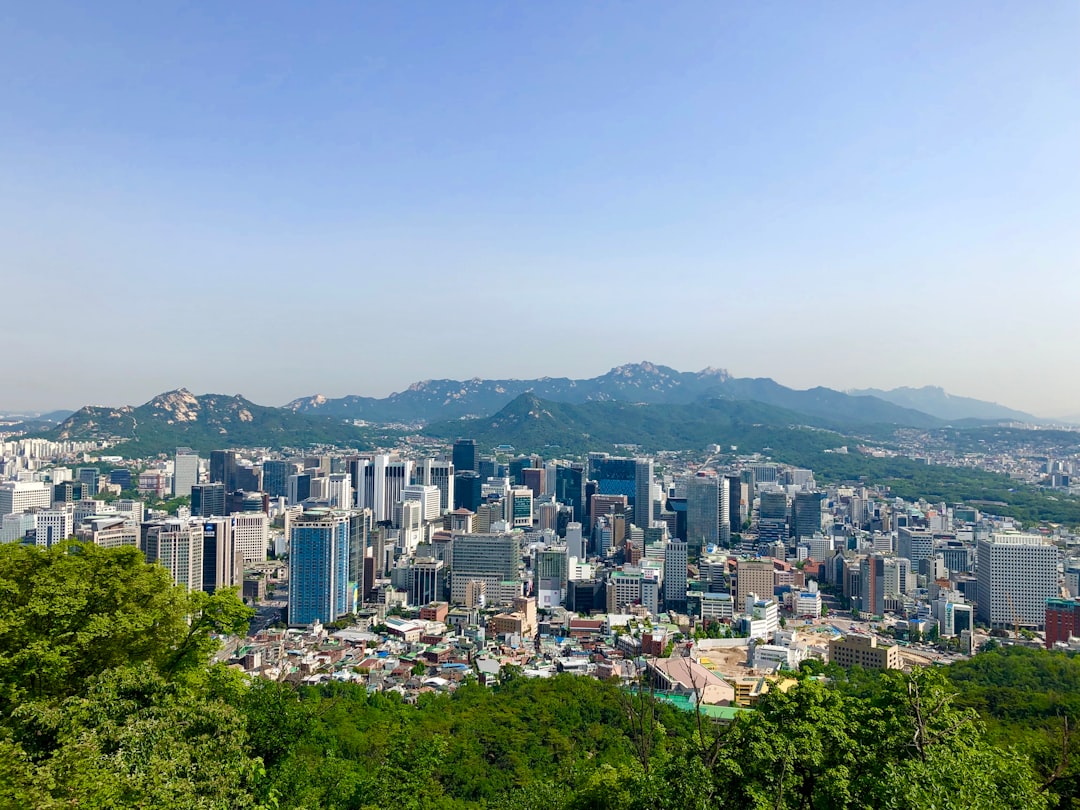
Seoul is a sanctuary for street food, with delicious options found throughout the city. Markets and busy districts popular with tourists are the best places to sample a wide variety of snacks in one spot. Since each area has its own specialty, it is a good idea to plan your visit based on your travel route.

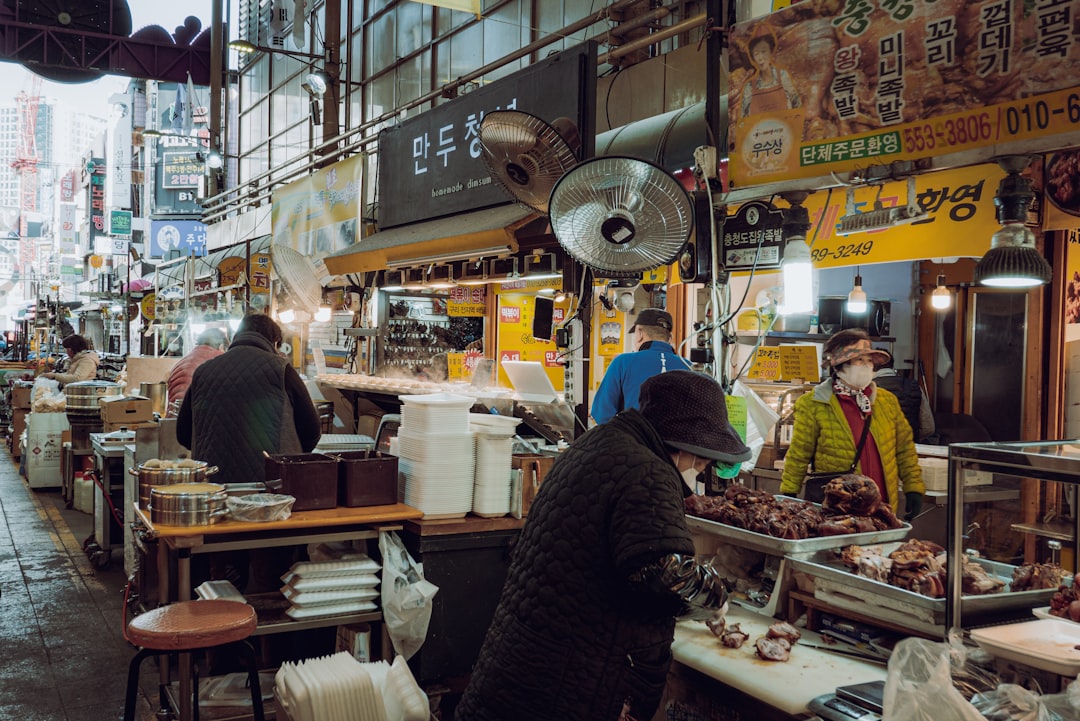
The Charm of Gwangjang Market and Traditional Markets

  • Gwangjang Market is the best place to experience a diverse range of traditional Korean street foods, such as bindaetteok (mung bean pancakes), mayak gimbap, and yukhoe (beef tartare).
  • Namdaemun Market is rich in down-to-earth foods, featuring a famous braised hairtail alley, hotteok, and kalguksu (knife-cut noodles).

The Vibrant Streets of Myeong-dong and Hongdae

  • Myeong-dong is known for fusion street foods catered to international tourists, making it a great place to find visually stunning items like dakgangjeong (sweet crispy chicken) and grilled cheese scallops.
  • The area around Hongdae features street food combined with trendy dessert and cafe culture, perfectly suiting the tastes of the younger generation.

While most street stalls operate from morning until late at night, many markets close around 8:00–9:00 PM, so it is best to check operating hours before visiting. If you want to try many different kinds of food, sharing with your companions is the most efficient way to enjoy them.

Frequently Asked Questions

What is street food and what does it mean in Korean culture?+

Street food refers to the popular Korean food culture where you can easily buy and eat snacks from street vendors or stalls. For Koreans, street food is more than just a way to satisfy hunger; it is a symbol of small happiness, a way to share childhood memories, and a chance to enjoy diverse flavors at an affordable price.

Can I only pay with cash for street food?+

In the past, cash was the primary payment method for street food, but recently, the number of places accepting card payments or mobile bank transfers has increased rapidly. However, some small stalls may still only accept cash, so carrying around 10,000 won in small bills is the safest and most convenient way to pay.

Are there any recommended street food combinations?+

The most recommended street food combination is the 'Tteok-Twi-Sun' set. Dipping crispy fried snacks and chewy sundae (blood sausage) into spicy tteokbokki sauce is the ultimate combination loved by Koreans. Adding a cup of refreshing fish cake soup provides a perfect balance, allowing you to fully experience the Korean street food scene.

Share

Show us your style! Share with #kcultureworld on Instagram & TikTok.

About the author

김민중

Writes practical guides to Korean beauty and food for overseas readers — Olive Young, convenience stores, and how-to tips.

More from 김민중

Comments

No sign-up or login required.

No comments yet. Be the first to comment.