K-Culture World

Food · 2026. 8. 5.

The Charm of Dessert Culture and 4 Must-Try Korean Treats

BY 김민중

The Charm of Dessert Culture and 4 Must-Try Korean Treats

How Korean Dessert Culture Has Evolved

Korean dessert culture, which began with traditional confectionery enjoyed in the royal court, is now gaining global attention as it blends with today's unique cafe culture. The concept of 'husik' (post-meal dessert) in Korea has expanded beyond simply enjoying something sweet; it has become an art form that highlights seasonal ingredients and visual beauty.

Modern Reinterpretation of Traditional Confectionery

Traditional rice cakes (tteok) and hangwa (traditional sweets) are being reborn as new forms of snacks that meet modern sensibilities. Among the younger generation, there is a distinct trend of preferring traditional flavors, giving rise to the neologism 'Halminnial' (a blend of 'halmae' meaning grandma, and 'millennial').

  • Cream desserts featuring black sesame, injeolmi (roasted soybean powder rice cake), and mugwort
  • The harmony of East and West, such as ang-butter monaka (red bean and butter wafer)
  • Healthy traditional snacks reflecting the low-sugar trend

Korean cafes serve as more than just places to sell beverages; they act as laboratories for desserts. Various menu items boasting spectacular visuals and unique textures are spreading rapidly through social media, leading current trends.
4 Representative Korean Desserts You Must Try

If you are traveling in Korea or looking for authentic Korean flavors, there are certain menu items you must try. We have curated a list of representative items that are popular and highlight Korea's unique ingredients.

Chapssaltteok (glutinous rice cake), known for its chewy texture, is one of Korea's most iconic snacks. Recently, variations featuring fresh cream or fruit inside the rice cake have become popular.

  • Chapssaltteok: The classic version with sweet red bean paste inside a chewy rice cake
  • Injeolmi Toast: A dish where injeolmi is placed between slices of bread, toasted, and sprinkled with nutty soybean powder

The Harmony of Bingsu and Toppings

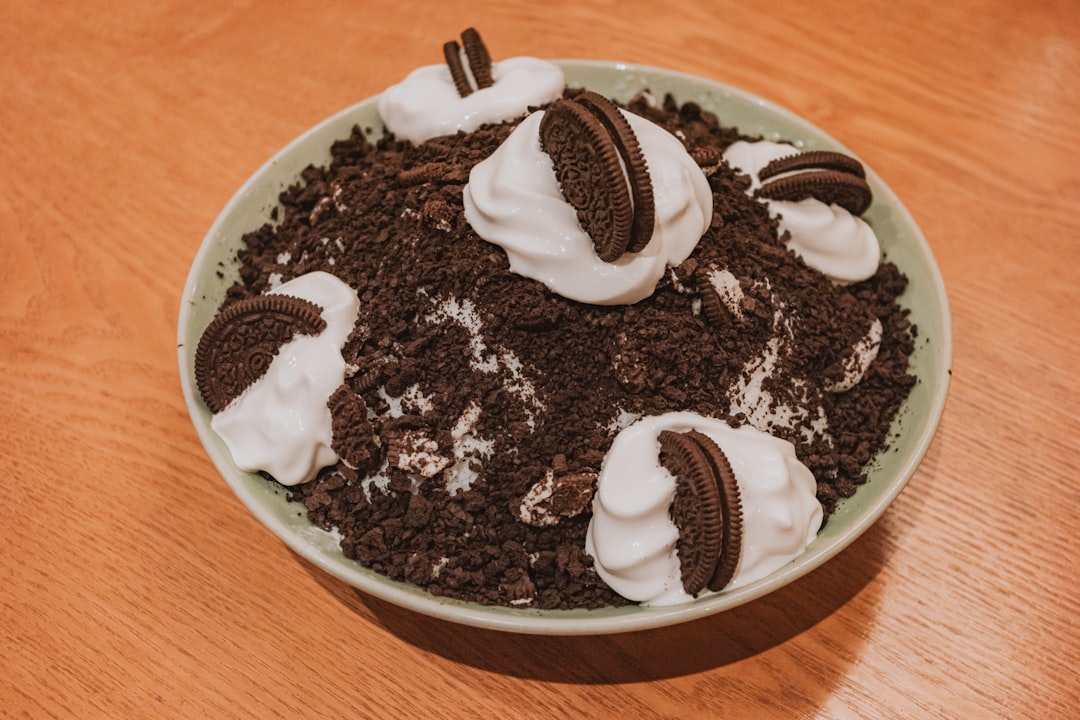
Bingsu (shaved ice) is the quintessential Korean summer dessert. Moving beyond simple shaved ice, modern versions use frozen milk to create a soft, snowflake-like texture, topped with various ingredients to make it as satisfying as a full meal.

  • Patbingsu: The traditional harmony of red beans and rice cakes
  • Fruit Bingsu: A refreshing menu item piled high with seasonal fruits
  • Green Tea Bingsu: A version flavored with the bittersweet notes of green tea powder

Tips for Enjoying Desserts and Important Precautions

To fully enjoy Korean desserts, it is helpful to consider beverage pairings and the timing of consumption. Check out these ways to maximize the harmony of flavors.

Pairing Guide for Drinks and Desserts

When eating sweet snacks, it is recommended to choose clean-tasting beverages to balance the sweetness. Korea has a well-developed tea culture, making traditional teas an excellent pairing.

  • Red bean or rice cake types: Pairs well with warm sujeonggwa (cinnamon punch), sikhye (sweet rice drink), or a bitter Americano.
  • Cream-heavy desserts: Best enjoyed with clean green tea or black tea to reduce richness.

Precautions When Consuming Desserts

  • Check for Allergies: Nuts (peanuts, walnuts) and soybean powder are frequently used, so always check the ingredients if you have allergies.
  • Storage: Products containing rice cakes or fresh cream are sensitive to temperature, so it is safest to consume them as soon as possible after purchase or keep them refrigerated.
  • Sugar Control: Many low-sugar products are being released recently, so if you are health-conscious, check if 'low-sugar' or 'stevia' is used before purchasing.
Dessert Serving Ware

SHOP THE LOOK: Dessert Serving Ware

Frequently Asked Questions

What does 'dessert' mean in Korean food culture?+

In Korea, dessert is an important part of finishing a meal, and it has recently established itself as a culture where people put as much effort into enjoying the dessert as the meal itself. While traditional snacks like rice cakes or hangwa were mainly enjoyed in the past, today's cafe culture has popularized various bakery items and fusion snacks that pair perfectly with coffee or tea.

What are the most popular Korean-style desserts recommended?+

The most popular Korean desserts include chewy chapssaltteok, nutty injeolmi, and the essential summer menu item, snowflake bingsu. Additionally, cream desserts featuring black sesame or mugwort have recently gained high satisfaction among foreign tourists as they satisfy both traditional tastes and modern sensibilities.

How can I enjoy Korean desserts even more?+

The best way to enjoy desserts is to pair them with beverages that complement the characteristics of the ingredients. Sweet and dense snacks like red bean or rice cakes are best enjoyed with a bitter Americano or a warm traditional tea. Also, choosing menu items that use fresh seasonal fruits allows you to feel the season and experience a healthier, more diverse range of flavors.

Share

Show us your style! Share with #kcultureworld on Instagram & TikTok.

About the author

김민중

Writes practical guides to Korean beauty and food for overseas readers — Olive Young, convenience stores, and how-to tips.

More from 김민중

Related Posts

A Guide to Korean Snacks: Types and Popular Recommendations

Food · 08/05/26

A Guide to Korean Snacks: Types and Popular Recommendations

Korean snacks are beloved by consumers worldwide for their unique flavors and textures. This guide provides a detailed look at the representative types of Korean snacks, key factors to consider when purchasing, and how to choose the perfect treat for your taste.

Comments

No sign-up or login required.

No comments yet. Be the first to comment.