Why Korean Dessert Culture is So Beloved
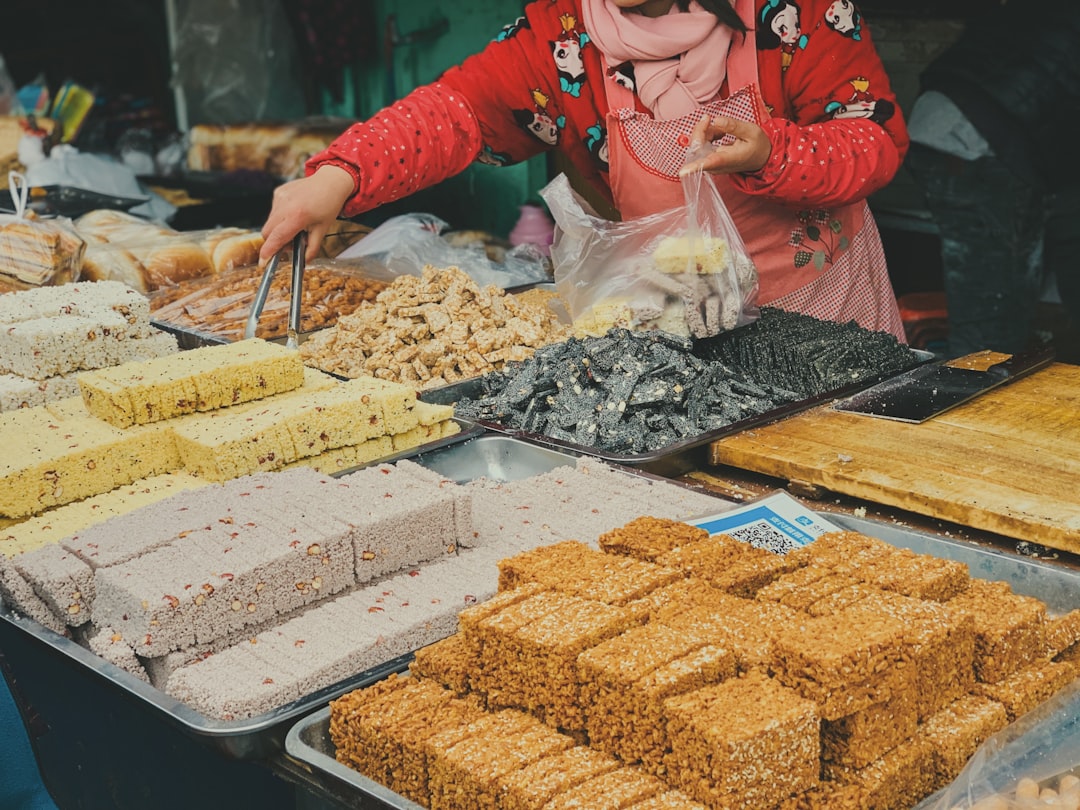
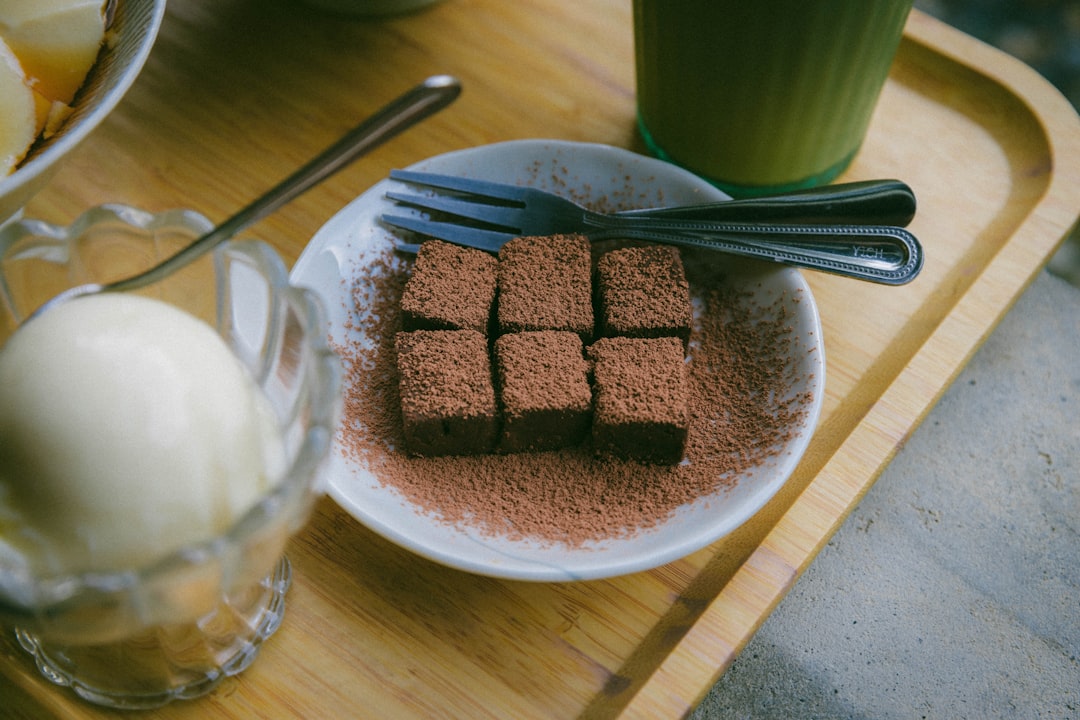
Korean desserts have established themselves as a unique culture that goes beyond just sweet food eaten after a meal; they emphasize the natural flavor of ingredients and aesthetic elements meant to be enjoyed visually. The Korean dessert market is gaining global attention by reinterpreting traditional ingredients like red beans, mugwort, and black sesame in a modern way.
Key Characteristics of Korean Snacks
- Harmony of Ingredients: Rather than overwhelming sweetness, they emphasize the nuttiness of grains and subtle sweetness.
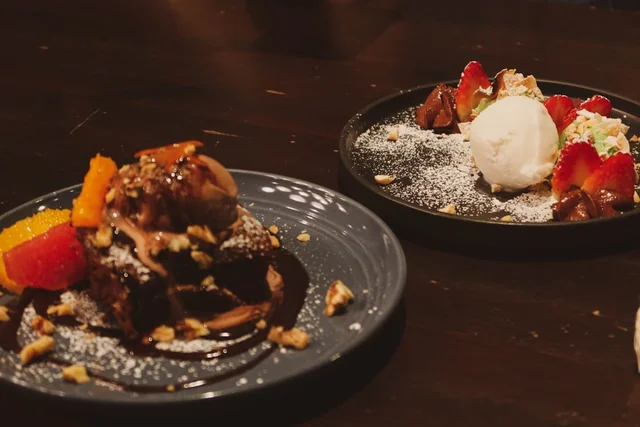
- Visual-Centric: Many are designed with vibrant colors and intricate shapes, making them perfect for sharing on social media.
- Seasonality: Seasonal limited-edition menus using fresh fruits or ingredients are actively released.
Integration with Modern Cafe Culture
Korean cafes have evolved beyond spaces for just drinking coffee into gourmet destinations where you can taste unique desserts. In particular, cafes in major areas like Hongdae, Seongsu, and Hannam-dong offer visitors special experiences with distinct concepts. These venues often renovate traditional houses (Hanok) to highlight Korean aesthetics or showcase a modern sensibility through minimalist and sophisticated interiors. The types of desserts are also constantly evolving, attempting new flavors by incorporating Western menus like macarons and cakes with Korean ingredients.