K-Culture World

Food · 2026. 8. 11.

The Charm of Dessert Culture and 4 Must-Try Korean Treats

BY 김민중

The Charm of Dessert Culture and 4 Must-Try Korean Treats

Why Korean Dessert Culture is Special

Korean desserts are considered an art form that captures the changing seasons and sincerity, going beyond simple after-meal treats. Recently, dessert exploration has become an essential part of the itinerary for international tourists visiting Korea, and creative menus that reinterpret traditional ingredients in a modern way are gaining massive popularity.

The Harmony of Tradition and Modernity

Korea's dessert market is not limited to past traditions like rice cakes (tteok) and traditional sweets (hangwa). Recently, Western baking techniques have been combined with local ingredients like red beans, black sesame, and injeolmi to create original flavors. This evolution offers a fresh gastronomic experience for both the younger generation and foreign visitors.

The Establishment of After-Meal Culture

  • Korea has a highly developed culture of visiting cafes after meals.
  • Menus featuring seasonal fruits are released periodically throughout the year.
  • Cafes and desserts play a vital role as places for social interaction.

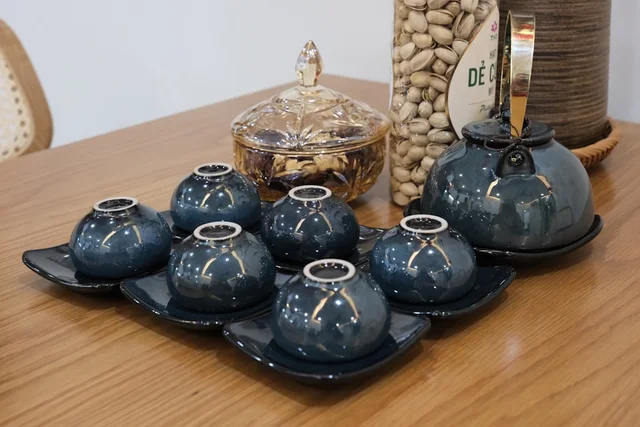
Traditional Korean tea tables are characterized by being served neatly with tea. Today's cafe culture has evolved into a popular form that maintains this neatness while being accessible to everyone. In particular, shaved ice (bingsu) using red beans or cream lattes topped with black sesame are deeply loved for expressing Korea's unique nutty flavors. These desserts align well with the latest trends favoring healthy ingredients and contribute to raising the status of Korean food culture globally.
Traditional Tea Sets

SHOP THE LOOK: Traditional Tea Sets

4 Must-Try Korean Desserts

If you are traveling in Korea, there are certain desserts you must try. Here are the representative menus that offer not only great taste but also visual delight.

Bingsu, Loved by All Ages

Bingsu is a classic summer treat made of finely shaved ice topped with sweet red beans, rice cakes, and nuts. Recently, snowy bingsu using milk ice and versions piled high with fruits like mango and strawberries have become popular.

Chewy Rice Cakes (Tteok)

  • Injeolmi: Coated in soybean powder, it is famous for its nutty and chewy texture.
  • Chapssaltteok: Filled with sweet red bean paste, it makes for a hearty snack.
  • Ggultteok: Bite-sized rice cakes filled with sweet syrup, making them easy to enjoy.

Modernized K-Desserts

Korean bakeries and cafes often infuse traditional flavors into existing desserts. For example, coating macarons with injeolmi powder or adding black sesame to financiers to maximize nuttiness. These menus offer unique flavor combinations found only in Korea. For foreigners, the appeal lies in enjoying familiar Western-style desserts enhanced with Korean ingredients. Such attempts demonstrate the infinite potential of Korean desserts.

Best Korean Tea Pairings for Desserts

To enjoy desserts to their fullest, pairing them with the right beverage is crucial. The harmony between traditional Korean tea and desserts helps balance the flavors.

The Chemistry of Tea and Dessert

Bitter tea pairs well with sweet desserts. Green tea or buckwheat tea, in particular, neutralizes sweetness, allowing you to appreciate the depth of the dessert's flavor. Also, warm sujeonggwa (cinnamon punch) or sikhye (sweet rice drink) are the best beverages to experience authentic Korean taste.

  • Red bean bingsu and warm jujube tea: The combination of cold dessert and warm tea is excellent.
  • Injeolmi and bitter green tea: Green tea cleanly balances the nuttiness of the soybean powder.
  • Hangwa and sujeonggwa: Sujeonggwa, with its subtle cinnamon scent, provides a perfect balance to the sweetness of traditional confections.

Korean tea culture shines brightest when paired with desserts, as it goes beyond just quenching thirst to enhance the texture and taste of the treats. Keeping these combinations in mind when visiting a cafe will lead to a more satisfying culinary experience. While traditional tea culture may be unfamiliar to tourists at first, once tasted, its deep flavor is quickly captivating. Exploring various combinations to find your own favorite is a great joy of traveling in Korea.

Traditional Korean Tea

SHOP THE LOOK: Traditional Korean Tea

Frequently Asked Questions

What is the significance of desserts in Korean food culture?+

Desserts in Korean food culture serve as an important medium that marks the end of a meal and facilitates communication among people. Visiting a cafe after a meal to chat has become a established culture, and enjoying traditional rice cakes or modern cakes in this process is considered a daily happiness.

What are some must-try desserts in Korea?+

The most recommended desserts to try in Korea are definitely bingsu and injeolmi. Bingsu is a representative summer menu item featuring rich toppings, while injeolmi is a classic traditional snack that best showcases the unique chewy texture and nutty flavor of soybean powder.

How can I enjoy desserts even more?+

The best way to enjoy desserts is to pair them with traditional Korean teas. Pairing sweet desserts with bitter green tea or buckwheat tea, or pairing chewy rice cakes with cinnamon-scented sujeonggwa, balances the flavors perfectly and allows you to enjoy the true essence of the dessert.

Share

Show us your style! Share with #kcultureworld on Instagram & TikTok.

About the author

김민중

Writes practical guides to Korean beauty and food for overseas readers — Olive Young, convenience stores, and how-to tips.

More from 김민중

Related Posts

Comments

No sign-up or login required.

No comments yet. Be the first to comment.