How Korean Dessert Culture Has Evolved
Korean dessert culture began with traditional confections once enjoyed in the royal court and has since evolved into glamorous fusion snacks that captivate palates worldwide. For Koreans, seeking something sweet after a meal is more than just satisfying hunger; it is an important social process for conversation and relaxation. Recently, trends have been dominated by the combination of traditional ingredients—such as rice cakes, red beans, and black sesame—with modern café menus.
The Harmony of Tradition and Modernity
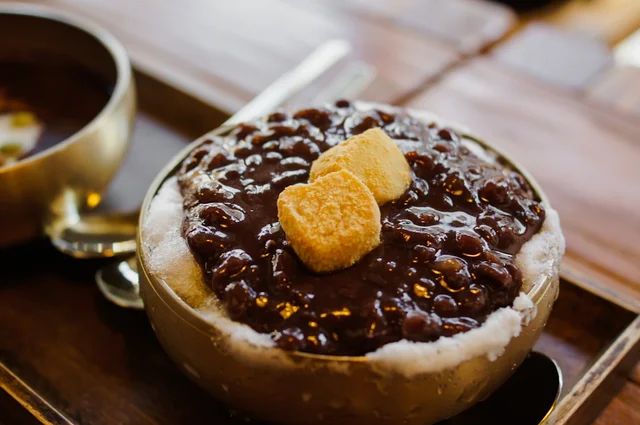
- Traditional Ingredients: Emphasizing authentic flavors like red bean, injeolmi (roasted soybean powder rice cake), mugwort, and sujeonggwa (cinnamon punch).
- Modern Variations: Adding Korean elements to global menu items like macarons, croffles, and bingsu (shaved ice).
- Visual Elements: Focusing on neat plating and aesthetic designs perfect for social media.
Tips for Enjoying Desserts
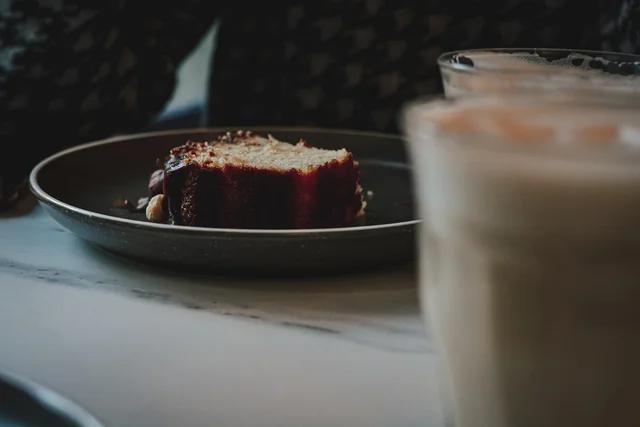
Korea's café culture is highly developed, allowing you to taste high-quality snacks anywhere in the country. Neighborhoods like Seongsu-dong or Yeonnam-dong in Seoul are especially dense with unique cafés, making them perfect places to try new menus. Additionally, limited-edition menus featuring seasonal fruits or ingredients are frequently released, so it is worth looking for items specific to the time of your visit. Pairing these treats with warm tea allows you to experience the subtle, clean sweetness characteristic of Korean snacks more deeply. Considering the atmosphere of the space along with the taste will make for an even more memorable experience.