K-Culture World

Food · 2026. 9. 27.

Dessert Trends: The 4 Most Popular K-Foods in Korea Right Now

BY 김민중

Dessert Trends: The 4 Most Popular K-Foods in Korea Right Now

The modern Korean dessert market is changing rapidly as tradition and modernity harmonize. While in the past, people enjoyed simple fruits or tea after a meal, today's Koreans prefer menu items that satisfy both visual pleasure and unique textures. In particular, trendy items that spread quickly via social media are gaining massive popularity, especially among the younger generation.

The Rise of the Halmennial Trend

'Halmennial,' a portmanteau of 'grandmother' and 'millennial,' refers to the phenomenon where traditional Korean snacks are being reborn with a modern twist. These snacks have shed their old-fashioned image, transforming into sophisticated treats with trendy flavors and packaging.

  • Yakgwa: A traditional confection made by frying dough kneaded with honey and oil; it has recently evolved into forms combined with ice cream or cookies.
  • Black Sesame and Injeolmi: Cakes, lattes, and macarons featuring these nutty, grain-based flavors are consistently loved.
  • Sikhye: The culture of enjoying traditional sikhye (sweet rice drink) as a slushie or topped with various ingredients has become a staple in cafes.

Fruit Snacks for Visual Satisfaction

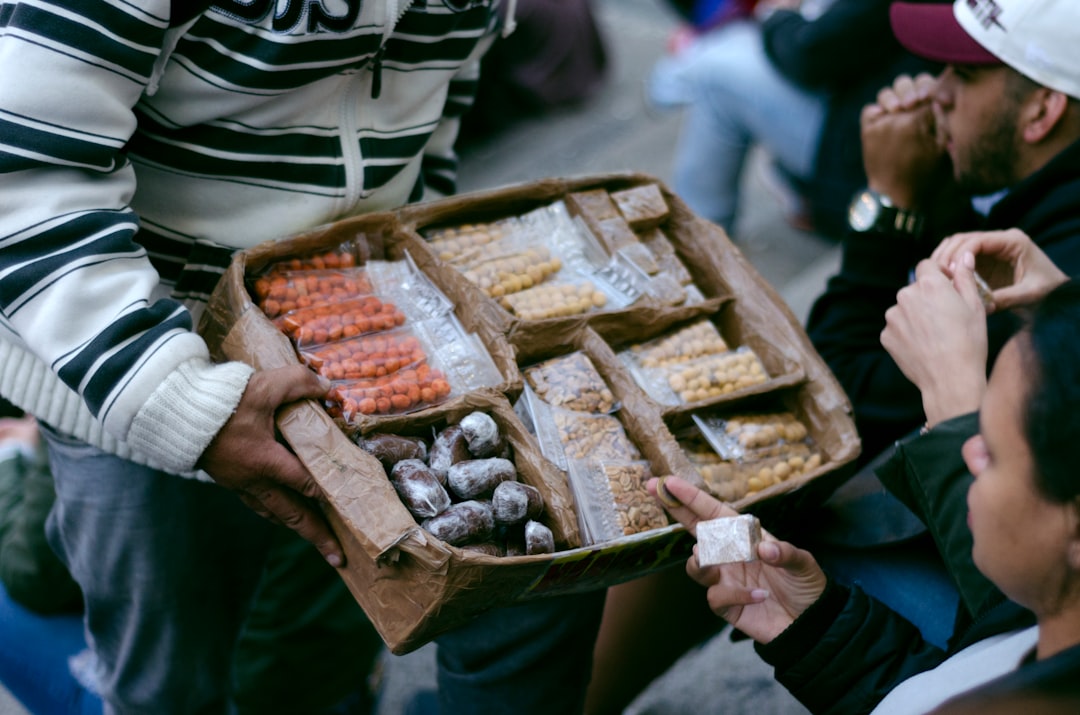
Korean dessert culture values flashy visuals just as much as taste. In particular, menu items using seasonal fruits are exploding in popularity among the youth because they are perfect for photography and social media sharing. Tanghulu has established itself as a mainstream snack, offering both a satisfying crunch and a sweet taste through fresh fruit encased in a thin sugar coating.
K-Dessert Snack Sets

SHOP THE LOOK: K-Dessert Snack Sets

What are the characteristics of K-desserts enjoyed in cafes?

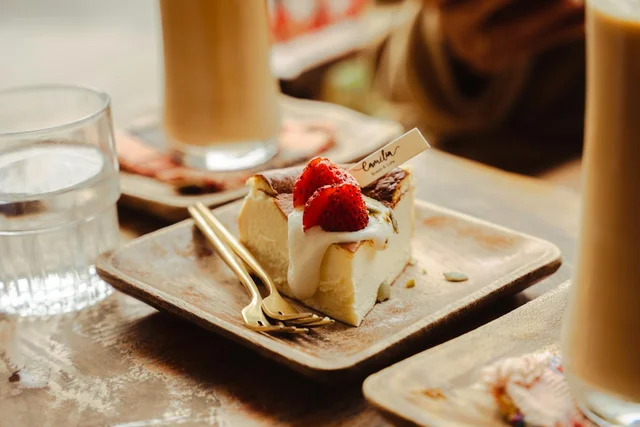
Korea's cafe culture is world-class. It has evolved beyond a simple space to drink beverages into a complex cultural space where people enjoy high-quality desserts. The desserts served in Korean cafes are notable for their ingredient freshness and elaborate decoration.

Seasonal Dessert Lineups

Korea has four distinct seasons, so menu items featuring seasonal ingredients are released throughout the year. Spring features strawberries; summer, watermelon or peaches; autumn, chestnuts or sweet pumpkin; and winter, tangerines or sweet potatoes, which become the flagship products of cafes.

  • Strawberry Season: From winter through spring, strawberry cakes and strawberry parfaits appear as essential menu items in every large cafe.
  • Sweet Potato and Pumpkin: In autumn and winter, baked sweet potato desserts or sweet pumpkin tarts that pair well with warm lattes capture the hearts of consumers.

The Harmony of Dessert and Drink

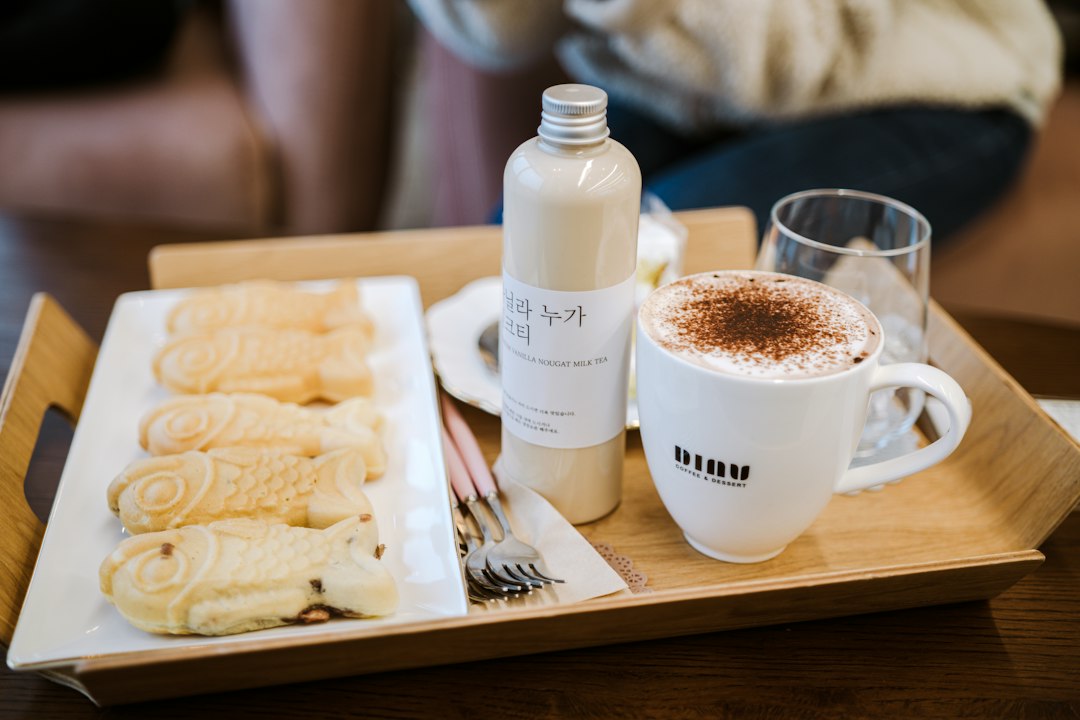
Another characteristic of Korean cafes is the pairing of desserts and beverages. The menu composition is very systematic, considering flavor balance—such as pairing bitter Americanos with sweet cakes, or smooth milk lattes with nutty injeolmi desserts. Thanks to this meticulous curation, visitors can enjoy a more satisfying tea time.

The Present and Future of K-Pop: Analyzing Key Trends Captivating the World

SHOP THE LOOK: Korean Cafe Desserts

Preparation steps for home-cafe desserts to enjoy at home

The 'home-cafe' culture, where people create and enjoy desserts at home rather than just eating out, is also very active. The key is to achieve cafe-level visuals using easily accessible pre-made products or simple ingredients.

Essential Items for a Home Cafe

When making desserts at home, it is important to choose ingredients that are high-quality yet simple to prepare. In Korea, you can easily purchase excellent dessert meal kits or frozen dough at supermarkets or online malls.

  • Frozen Dough: Simply baking croissant or waffle dough in an air fryer allows you to enjoy the aroma of freshly baked bread.
  • Topping Ingredients: Keeping items like nuts, dried fruits, cinnamon powder, and condensed milk on hand can give even ordinary desserts a cafe-like atmosphere.

Tips for Neat Plating

The completion of a dessert lies in its plating. Using ceramic plates or wooden trays that evoke a Korean aesthetic can create a more atmospheric presentation. Additionally, adding a small flower or a leaf of an herb can elevate the quality of the dish. Rather than overly complex processes, neat and tidy presentation is the core of the Korean dessert style.

Frequently Asked Questions

What does dessert signify in Korean food culture?+

In Korea, dessert represents an important gastronomic experience that concludes a meal and serves as a moment of relaxation. While people used to enjoy simple snacks like rice cakes or fruit, it has now merged with cafe culture to become a cultural medium for stress relief and social interaction.

Why are Halmennial desserts popular?+

Halmennial desserts are popular because they offer familiar yet new flavors that anyone, regardless of age, can enjoy by adding a modern sensibility to traditional tastes. The key to their success is using unique Korean ingredients like yakgwa, injeolmi, and black sesame to create healthy yet trendy flavors.

Where should I go to taste desserts while traveling in Korea?+

To taste the best desserts, we recommend visiting areas with established cafe streets such as Seongsu-dong, Yeonnam-dong, and Hannam-dong in Seoul. These areas are packed with unique large cafes and bakeries, making them the best places to see the latest Korean dessert trends at a glance and taste them for yourself.

Share

Show us your style! Share with #kcultureworld on Instagram & TikTok.

About the author

김
김민중

Writes practical guides to Korean beauty and food for overseas readers — Olive Young, convenience stores, and how-to tips.

More from 김민중 →

Comments

No sign-up or login required.

No comments yet. Be the first to comment.