K-Culture World

Food · 2026. 10. 24.

Dessert Trends: The 4 Most Popular K-Food Treats in Korea Right Now

BY 김민중

Dessert Trends: The 4 Most Popular K-Food Treats in Korea Right Now

The Korean dessert market is undergoing a rapid transformation, blending tradition with modernity. In the past, desserts were simply about enjoying something sweet, but today, they are characterized by the pursuit of visual delight and unique textures. Trends spreading through social media are significantly influencing not only Korea but also K-food fans worldwide.

A Glamorous Transformation of Traditional Snacks

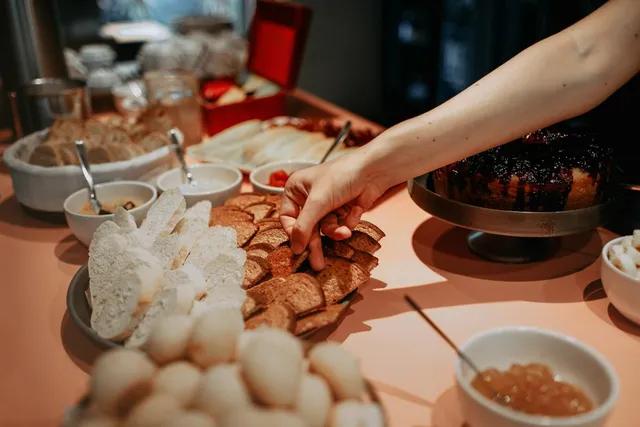
The most notable trend in Korea recently is the 'Halminial' (Grandma + Millennial) culture. This refers to a movement where traditional Korean snacks are reinterpreted to suit modern palates. A prime example is Yakgwa (traditional honey cookies). Once a treat reserved for holidays, it has now become a favorite among the younger generation, combined with cookies, financiers, and ice cream.

  • Yakgwa Cookies: A fusion of the chewy texture of Yakgwa and the crunchiness of a cookie.
  • Black Sesame and Injeolmi Lattes: Beverage-style desserts utilizing savory grains.
  • Ang-Butter Monaka: A combination of traditional wafers filled with red bean paste and butter for added richness.

Desserts That Emphasize Visual Appeal

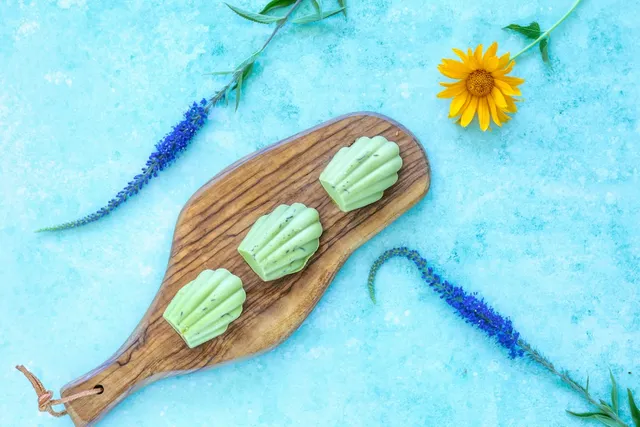
For Korean desserts, being 'Instagrammable'—looking beautiful in photos—is just as important as the taste. Vibrant colors and unique shapes stimulate consumer desire, which in turn strengthens the global competitiveness of K-food. Tanghulu, made by coating skewered fruits in hardened sugar, is a representative example. The contrast between the crunchy sugar shell and the juicy fruit has sparked explosive popularity.

3 Key Factors to Consider When Choosing a Dessert

To have a successful K-dessert experience, it is helpful to know a few selection criteria. Beyond simply following trends, you need a discerning eye to choose a dessert that suits your personal taste and situation.

Checking the Balance of Texture and Flavor

The most significant characteristic of Korean desserts is that they are 'not overly sweet yet deep in flavor.' To achieve this, many specialty shops focus on adjusting sugar levels and highlighting the natural taste of the ingredients. Choosing menus that mix savory or slightly bitter notes rather than just pure sweetness will keep you from getting tired of the flavor.

  • Chewiness: Menus containing rice cakes or glutinous rice maximize the signature Korean chewy texture.
  • Crunchiness: Menus that utilize pastries or sugar coatings add fun to the eating experience.
  • Softness: Desserts using cream or mousse provide a melt-in-your-mouth texture.

Freshness and Seasonality of Ingredients

Korea has four distinct seasons, leading to the release of different desserts featuring seasonal fruits. Strawberry season brings strawberry cakes and strawberry mochi, while summer features shaved ice (bingsu) made with watermelon or peaches. Menus using seasonal ingredients are superior in both taste and nutrition, and their scarcity—being available only at that time—makes them even more popular. Making a habit of checking which fruits are in season when you visit a shop will lead to a more satisfying dessert experience.

Seasonal Dessert Tools

SHOP THE LOOK: Seasonal Dessert Tools

Home Cafe Recipes to Enjoy K-Desserts at Home

As Korea's cafe culture has developed, more people are looking to enjoy cafe-quality desserts at home. Creating desserts with a Korean touch using simple ingredients is easier than you might think.

Tips for Simple K-Desserts

To enjoy a home cafe, it is efficient to use ingredients easily found in stores. For example, try your own plating using frozen rice cakes or Yakgwa. Pairing these with Korea's unique tea culture will make for a perfect teatime.

  • Yogurt Bowls: Sprinkle Injeolmi powder and honey on plain yogurt for an excellent Korean-style dessert.
  • Toast Variations: Toast slices of bread topped with red bean paste and butter to recreate Ang-Butter toast at home.
  • Beverage Pairing: It is recommended to balance the sweetness of desserts with the slightly bitter taste of Korean green tea or roasted barley tea.

Precautions for Storage and Hygiene

Proper storage is crucial for enjoying your desserts. Rice cakes and breads, in particular, can easily harden when exposed to air, so storing them in airtight containers is essential. Also, desserts containing cream must be refrigerated to maintain freshness. Rather than buying too much at once, it is best to purchase only what you can eat while it is fresh. Learning proper storage methods allows you to maintain the flavor of your desserts until the very last bite.

Frequently Asked Questions

What are desserts, and why are they a trend in Korea?+

Desserts are sweet treats enjoyed after a meal. In Korea, they have become cultural content that combines visual appeal and unique textures, going beyond mere taste. The 'Halminial' trend, which modernizes traditional snacks, combined with social media sharing culture, has led to their explosive popularity among the youth.

What are some recommended Korean dessert menus?+

I highly recommend Yakgwa cookies with their signature chewy texture, savory black sesame lattes, and shaved ice or mochi featuring seasonal fruits. These utilize traditional Korean ingredients while being optimized for modern palates, making them accessible and popular for both those visiting Korea and those trying K-food for the first time.

Where can I buy or learn to make popular K-desserts?+

Popular K-desserts can easily be found in the basement food halls of large department stores or in famous cafe streets in Korea. If you want to make them yourself, you can learn step-by-step from ingredient preparation to plating through YouTube or blog home cafe recipe channels. Recently, they have also been released as meal kits, making it easy to enjoy them at home.

Share

Show us your style! Share with #kcultureworld on Instagram & TikTok.

About the author

김
김민중

Writes practical guides to Korean beauty and food for overseas readers — Olive Young, convenience stores, and how-to tips.

More from 김민중 →

Comments

No sign-up or login required.

No comments yet. Be the first to comment.