K-Culture World

Food · 2026. 11. 3.

Dessert Trends: The 4 Most Popular K-Food Treats in Korea Right Now

BY 김민중

Dessert Trends: The 4 Most Popular K-Food Treats in Korea Right Now

The Korean dessert market has evolved rapidly over the past few years, blending tradition with modernity. In particular, the 'Halminial' (Grandma + Millennial) trend has taken hold among Gen Z, leading to a rediscovery of traditional snacks. Korean dessert culture is characterized not only by the enjoyment of sweetness but also by the pursuit of visual pleasure and unique textures.

The Modern Transformation of Traditional Snacks

Traditional treats like Yakgwa (honey cookies) and Tteok (rice cakes), once reserved for holidays, have now become staple menu items in cafes. Yakgwa, in particular, is enjoying massive popularity after being reimagined with a chewy, dense texture, often paired with cookies or ice cream.

  • Glutinous Rice Yakgwa: Maximizes a chewy texture that pairs perfectly with coffee.
  • Injeolmi Desserts: Cakes and macarons featuring nutty roasted soybean flour have become mainstream favorites.

K-Food That Offers Visual Delight

Influenced by social media platforms like Instagram, Korea's cafe culture boasts stunning visuals. Desserts with exceptional shapes and colors provide not just taste, but the fun of photographing and sharing them, making them an essential part of the Korean travel experience. These trends, combined with unique Korean recipes, are gaining significant global attention.
The Secret Behind the Popularity of Tanghulu and Fruit-Based Desserts

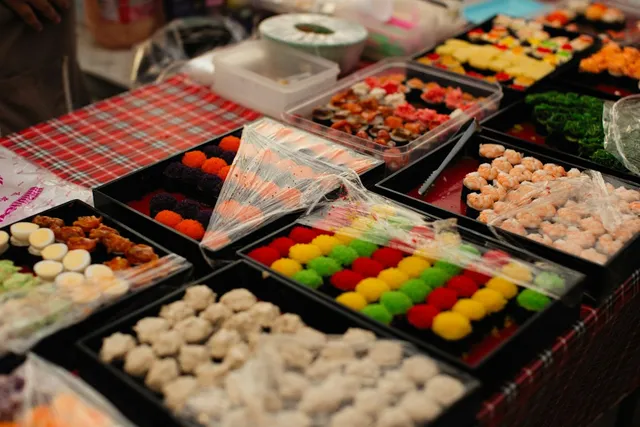
Starting as a street food, fruit-based snacks have now established themselves as a major dessert category in Korea. Tanghulu, in particular—fruit coated in a thin layer of sugar—has received an explosive response for its contrast between the crunchy exterior and the fresh fruit inside. Beyond simply eating fruit, the sensory pleasure of the crispy sugar shell is a key factor that has captivated the younger generation.

The Right Way to Enjoy Tanghulu

Using fresh fruit is paramount for Tanghulu, and the technique of controlling the sugar syrup concentration to create a thin, crispy coating is essential.

  • Fruit Selection: Fruits with low water content, such as strawberries, Shine Muscat grapes, and mandarin oranges, are best suited for sugar coating.
  • Storage Tips: Since the sugar coating can melt and become sticky over time, it is best to consume Tanghulu immediately after purchase.

The Versatility of Fruit Desserts

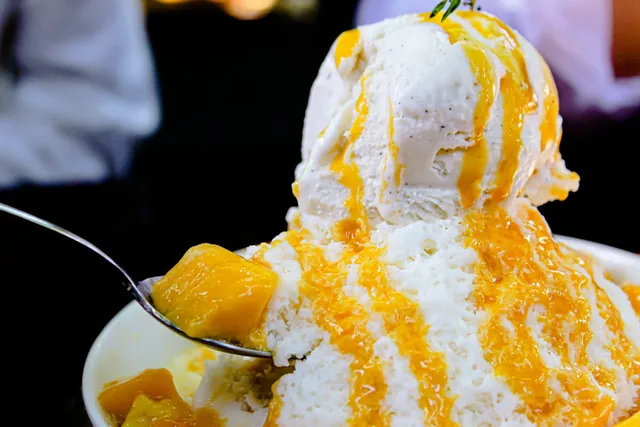
Beyond Tanghulu, fruit-topped tarts, Bingsu (shaved ice), and parfaits are popular year-round in Korea. Korean Bingsu is known for its finely shaved ice and generous toppings like red beans, Injeolmi, and fresh fruit. During the summer, premium Bingsu topped with whole melons or mangoes is highly sought after, showcasing the richness and care inherent in Korean desserts.

Fruit Dessert Tools

SHOP THE LOOK: Fruit Dessert Tools

The Evolution of Bungeoppang, the Icon of Korean Street Desserts

Bungeoppang is undoubtedly the most common street dessert in Korea during the winter. It is a snack made by pouring batter into a fish-shaped mold and filling it with sweet red bean paste. Recently, the options have expanded significantly, with fillings ranging from custard cream and sweet potatoes to pizza sauce, allowing for personalized enjoyment.

Enjoying Bungeoppang with Diverse Fillings

Bungeoppang has evolved from a simple red bean snack into a customizable treat that reflects individual tastes.

  • Custard Bungeoppang: Filled with smooth, sweet custard cream, it is a hit with people of all ages.
  • Unique Bungeoppang: Savory or spicy variations, such as those with cheese or fire chicken (buldak) sauce, are even used as meal replacements.

From Street Food to Cafe Menu

Once available only at street stalls, Bungeoppang has now made its way onto professional cafe menus. Mini-sized 'Bungeoppang Ice Cream' is a popular menu item that can be enjoyed even in the summer. The combination of warm Bungeoppang and cold ice cream is a delicacy that utilizes the unique 'temperature contrast' characteristic of Korean desserts, offering an impressive experience to foreign tourists. This shift is a prime example of how quickly Korean dessert culture reflects trends and continues to evolve.

Frequently Asked Questions

What are the unique characteristics of Korean dessert culture?+

The most significant characteristic of Korean dessert culture is the reinterpretation of traditional ingredients like red beans, rice cakes, and Yakgwa through a modern lens to create new flavors. It also places high value on visual aesthetics, resulting in many menu items that are highly 'Instagrammable,' and features a unique culinary culture that enjoys the contrast of textures and temperatures, such as pairing warm pastries with cold ice cream.

Can you recommend some trendy Korean desserts?+

The most popular desserts in Korea are undoubtedly Yakgwa and Tanghulu. Yakgwa has evolved into chewy cookie forms that pair well with coffee, while Tanghulu offers the fun of crunchy sugar-coated seasonal fruit. Additionally, Korean-style Bingsu and Bungeoppang with various fillings are essential snacks to try when visiting Korea.

Is there a specific way to enjoy Korean desserts?+

To fully enjoy Korean desserts, we recommend experiencing the local cafe culture. Korean cafes are not just places for coffee; they frequently introduce limited-edition desserts using seasonal fruits. For street snacks like Bungeoppang or Hotteok, eating them immediately while warm is the best way to experience their crispy, sweet, and authentic taste.

Share

Show us your style! Share with #kcultureworld on Instagram & TikTok.

About the author

김
김민중

Writes practical guides to Korean beauty and food for overseas readers — Olive Young, convenience stores, and how-to tips.

More from 김민중 →

Related Posts

A Guide to Popular Convenience Store Snacks and the Latest K-Food Trends

Food · 11/03/26

A Guide to Popular Convenience Store Snacks and the Latest K-Food Trends

Convenience stores are a microcosm of Korean food culture, featuring a wide range of products from trendy desserts to convenient ready-to-eat meals. This guide introduces the most popular product categories in Korean convenience stores and how to enjoy them efficiently. Explore the unique convenience store culture of Korea with K-Culture World.

Comments

No sign-up or login required.

No comments yet. Be the first to comment.