Why Dessert Culture is Booming in Korea
Korea's dessert market has undergone rapid changes in recent years, emerging as a hub for global gastronomy. Once considered merely a light snack to enjoy after a meal, desserts have now become an independent culinary genre. In particular, menus that emphasize visual appeal and unique textures through social media have gained massive popularity.
Key Elements of the K-Dessert Trend
- Visual Splendor: Aesthetics that are 'Instagrammable' are a must.
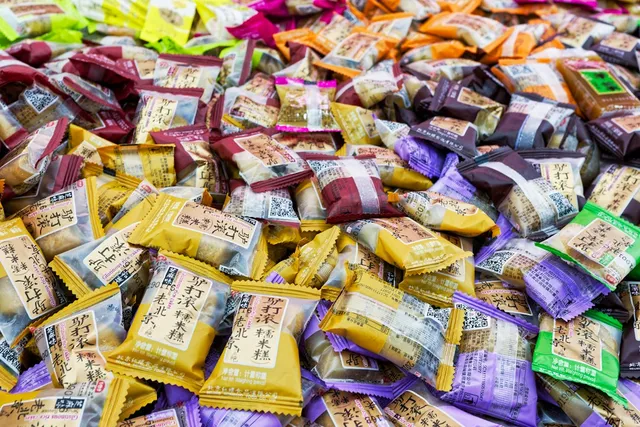
- Reinterpretation of Tradition: Combining traditional Korean snacks with modern ingredients.
- Scarcity: Strategic sales, such as limited-time offers or items only available at specific popular spots.
The Impact of Desserts on Daily Life
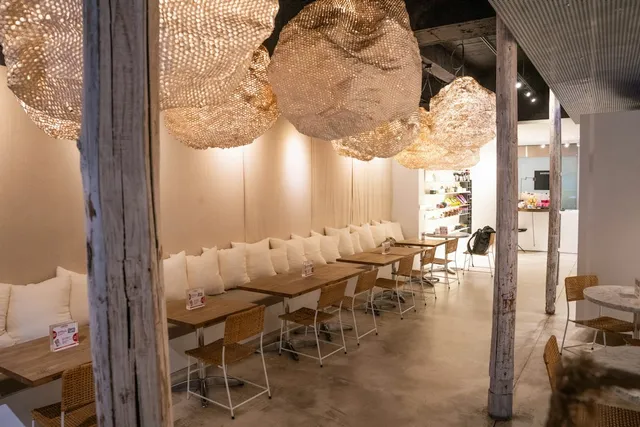
In Korean society, desserts mean more than just a quick sugar fix. With the growth of cafe culture, they have become spaces for socializing with friends and important tools for relieving stress during work. Recently, the 'Halmennial' (Grandma + Millennial) trend has led to the popularity of desserts using traditional ingredients like black sesame, injeolmi (roasted soybean powder rice cake), and yakgwa (honey cookies) across all age groups. This phenomenon is evolving in tandem with efforts to reinterpret traditional flavors with a modern sensibility. Now, even among foreigners visiting Korea or enjoying K-food, these trendy menus have become an essential part of the experience.