K-Culture World

Guides · 2026. 8. 14.

4 Essential Guides to Understanding Korean Culture and Tradition

BY 김민중

4 Essential Guides to Understanding Korean Culture and Tradition

What are the unique values of Korean culture and tradition?

Korean culture and tradition have evolved over thousands of years, rooted in a unique philosophy of living in harmony with nature. For Koreans, tradition is not merely a relic of the past; it is a living entity that permeates the daily lives of modern people and shapes their identity. These cultural values can be summarized by the keywords of understated beauty, harmony, and a sense of community.

The Korean aesthetic of harmony with nature

The most defining characteristic of Korean tradition is its comfort, which follows the natural order rather than artificial splendor. Hanok architecture blends seamlessly with the surrounding mountain landscape, and cuisine reflects the changing seasons by utilizing fresh, seasonal ingredients. This aesthetic sensibility is being reinterpreted today in various fields, including Korean architecture, design, and fashion.

The virtues of community and sharing

A sense of community, where people share with their neighbors, lies at the heart of Korean culture. Customs like sharing food within a village or gathering as a family during holidays are sources of the strong bonds that sustain Korean society. This traditional community culture continues in modern society through various forms, such as volunteer work and local community participation, often expressed through the uniquely Korean sentiment of 'Jeong' (affection).
How to experience Korean culture and tradition in daily life

When visiting Korea or seeking a deeper understanding of its culture, nothing is more effective than direct experience. Engaging with traditional elements naturally in everyday life is the fastest way to understand the Korean lifestyle. While visiting museums or galleries is beneficial, visiting actual traditional houses or markets offers a more vivid experience.

Walking through palaces in Hanbok

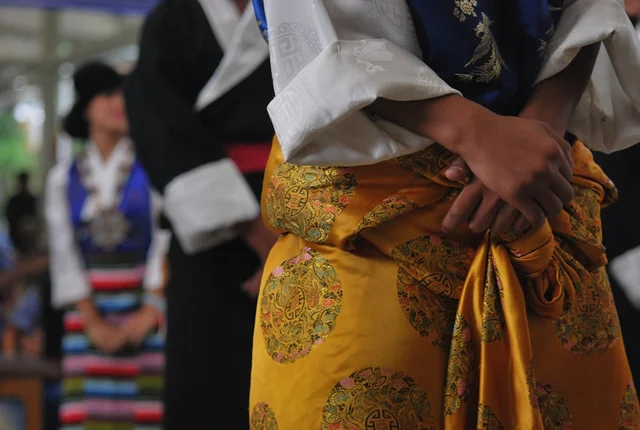
Hanbok is Korea's traditional clothing, creating an elegant silhouette through the harmony of straight and curved lines. Recently, a culture of renting and wearing Hanbok while visiting major palaces like Gyeongbokgung or Changdeokgung has become well-established. Beyond a simple costume experience, this becomes a special way to personally feel the beauty of Korea and record it through photos.

Experiencing traditional markets and temple food

Traditional markets are places where you can see the breadth of Korea's food and commercial culture at a glance. Furthermore, temple food represents the healthiest and most philosophical aspect of Korean culture and tradition. By excluding artificial seasonings and highlighting the natural flavors of ingredients, the temple food experience provides rest for the body and mind, allowing one to experience the deep flavors inherent in Korean produce.

Modern reinterpretations of Korean culture and tradition

Today, Korean culture and tradition are not preserved as static artifacts of the past; they are creating new value by combining with a modern sensibility. This is often referred to as 'New-tro' or 'Korean Modern.' Efforts to apply traditional patterns or materials to modern product designs, or to combine traditional music (Gugak) with modern beats, are actively underway.

Design where tradition and modernity coexist

Modern interior accessories that highlight the lines of traditional furniture, or fashion items utilizing the consonants of Hangeul, are gaining worldwide attention. This is possible because they combine traditional techniques with modern functionality that considers user convenience. These changes are sparking new interest in tradition among the younger generation.

Preserving tradition in the digital age

Efforts to preserve tradition using digital technology are also notable. By restoring cultural heritage in 3D or allowing people to experience traditional houses through Virtual Reality (VR), technology is helping overcome physical distance and enabling more people to experience Korean culture and tradition. This technological integration acts as a vital bridge for Korean culture to expand globally.

Frequently Asked Questions

What is culture and tradition, and why is it important?+

Culture and tradition refer to the lifestyles, values, and artistic sensibilities that a people have accumulated over a long period. They are important because they form the identity of a community and act as a link between generations. In the case of Korea, the attitude of living in harmony with nature is highly valued as a sustainable value even in modern society.

Where are the best places to experience Korean culture and tradition?+

If you want to experience Korean culture and tradition firsthand, I recommend visiting Bukchon Hanok Village in Seoul or the Hanok Village in Jeonju. Here, you can appreciate the beauty of traditional houses and participate in various craft experiences. Also, visiting local traditional markets allows you to experience the daily life and food culture of Koreans up close.

How can I learn about Korean culture and tradition from abroad?+

To learn about Korean culture and tradition from abroad, it is best to utilize the Korean Cultural Centers located in various countries. These centers offer diverse programs, including Hangeul education, Korean cooking classes, and traditional art performances. Additionally, you can easily access Korean traditional music or craft-making processes through YouTube and other online platforms.

Share

Show us your style! Share with #kcultureworld on Instagram & TikTok.

About the author

김민중

Writes practical guides to Korean beauty and food for overseas readers — Olive Young, convenience stores, and how-to tips.

More from 김민중

Related Posts

A Guide to Korean Culture and Trends Through Dramas and Movies

Guides · 08/14/26

A Guide to Korean Culture and Trends Through Dramas and Movies

Dramas and movies are the most vivid media for conveying Korea's social phenomena and daily culture. This guide provides a step-by-step approach to effectively understanding and enjoying Korean beauty, fashion, and food culture through Korean content.

Comments

No sign-up or login required.

No comments yet. Be the first to comment.