K-Culture World

Guides · 2026. 8. 16.

4 Essential Guides to Understanding Korean Culture and Tradition

BY 김민중

4 Essential Guides to Understanding Korean Culture and Tradition

What is the Significance of Korean Culture and Tradition in Modern Society

Korean culture and tradition are not merely relics of the past; they are constantly evolving in harmony with today's lifestyle. Koreans are reinterpreting traditional aesthetics into modern designs for practical daily use, which is garnering significant interest in line with global trends.

Harmony Between Tradition and Modernity

  • Design Elements: Traditional patterns are applied to modern interior decor and fashion items.
  • Philosophical Values: The traditional Korean worldview of living in harmony with nature connects to modern sustainable living.
  • Daily Practices: Traditional foods are shared during holidays and anniversaries, maintaining a connection between generations.

How to Preserve Cultural Values

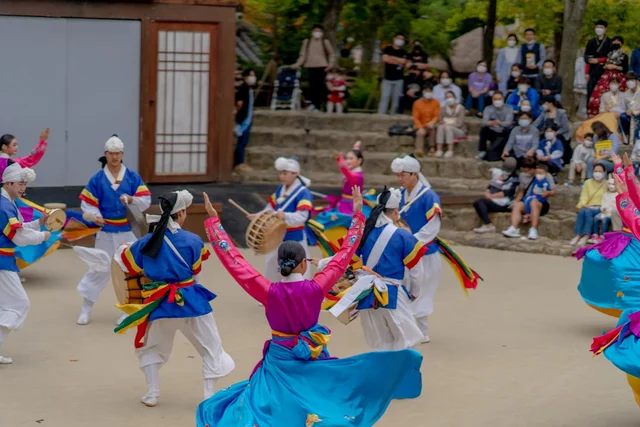
Korean traditional culture is systematically preserved through professional educational institutions and museums. Major heritage sites like the National Folk Museum of Korea or Gyeongbokgung Palace offer opportunities to experience traditional craft techniques firsthand or deepen your understanding through exhibitions. Recently, performances and exhibitions that reinterpret traditional arts in a modern way have become active, creating an environment where international visitors can more easily connect with the Korean sentiment. These efforts serve as an important bridge, communicating Korea's unique identity to the world without losing its essence.
How to Properly Enjoy Hanbok, Korea's Traditional Clothing

Hanbok is a visual symbol of Korean culture and tradition, characterized by a unique silhouette where straight lines and curves harmonize. Beyond being mere clothing, Hanbok embodies the Korean sense of beauty and identity; understanding and wearing it correctly is the first step toward deeply experiencing Korean culture.

Points to Consider When Wearing Hanbok

  • Formality and Etiquette: Hanbok is considered formal attire, so it is important to maintain a neat appearance.
  • Seasonal Fabrics: Breathable materials like ramie or hemp are used in summer, while silk or padded fabrics are used in winter.
  • Using Accessories: Adding traditional accessories like 'Norigae' (pendants) or 'Daenggi' (ribbons) can maximize the beauty of Hanbok.

A Guide to Experiencing Hanbok in Daily Life

Recently, the culture of renting Hanbok to stroll through ancient palaces has become well-established. There are various Hanbok rental shops near Gyeongbokgung or Changdeokgung Palace, making it easy for anyone to participate. When renting, it is recommended to choose colors that match your skin tone and consider the harmony between the skirt and the jacket (Jeogori). Also, visiting ancient palaces while wearing Hanbok provides free admission, so it is recommended to check the relevant regulations on the official website of the heritage site before visiting. Such experiences will provide special memories where Korea's traditional spaces and clothing blend together.

The Wisdom of Culture and Tradition in Korean Food Culture

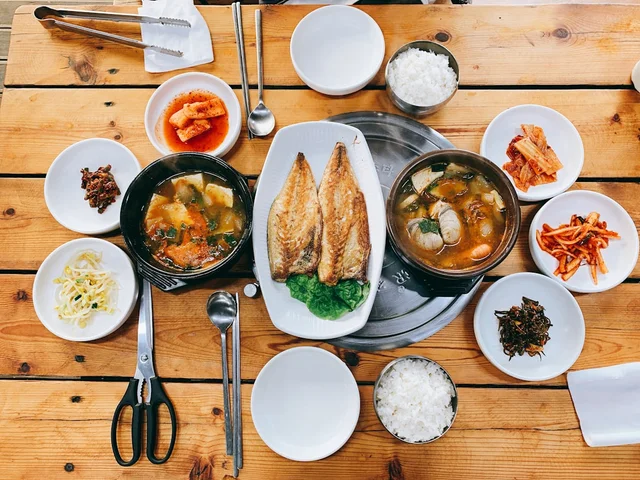
Korean food is more than just nutrition; it is the crystallization of culture and tradition that follows the order of nature. Kimchi, fermented sauces, and Bibimbap, based on the science of fermentation, are attracting attention worldwide for their healthy diet, and dining etiquette also reflects important values in Korean society.

Key Elements of Food Culture

  • The Aesthetics of Fermentation: Kimchi, Doenjang (soybean paste), and Ganjang (soy sauce) are healthy foods perfected over long periods.
  • Harmony and Balance: The use of 'Obangsaek' (five traditional colors) considers both nutritional value and visual beauty.
  • The Culture of Sharing: The dining culture of sharing food together strengthens the sense of community.

Practical Tips for Enjoying Traditional Food

The best way to experience traditional food is to visit markets or specialty restaurants. Places like Gwangjang Market or Tongin Market in Seoul are where you can feel Korean traditional food most vividly. Also, experiencing Korea's vegetarian culture and nature-friendly diet through temple food is highly recommended. Temple food is characterized by excluding artificial seasonings and highlighting the natural flavors of seasonal ingredients. When ordering, check the ingredients listed on the menu and ensure that Kimchi, a traditional fermented food, is served to enjoy a rich meal. After the meal, pairing it with warm traditional tea will allow you to understand Korea's tea culture more broadly.

Frequently Asked Questions

What are the best places in Korea to experience culture and tradition?+

To experience culture and tradition in depth, we recommend visiting Gyeongbokgung Palace and Bukchon Hanok Village in Seoul. These places have well-preserved architectural styles and lifestyles from the Joseon Dynasty, allowing you to feel the historical atmosphere of Korea firsthand. Additionally, Jeonju Hanok Village is an optimal place to enjoy both stays in traditional houses and various traditional craft experiences.

What activities do you recommend for learning about Korean culture and tradition?+

For learning about culture and tradition, we recommend Hanbok experiences, tea ceremony classes, and one-day traditional food cooking classes. These activities allow you to learn about the Korean spirit and aesthetic sense much more vividly than theoretical study. In particular, utilizing various cultural experience programs provided by the Korea Tourism Organization can provide systematic guidance.

Where can I purchase products related to Korean culture and tradition?+

Products related to culture and tradition can be purchased at traditional craft shops in Insadong or at the National Museum of Korea's cultural product shops. Here, you can find a wide range of items, from exquisite crafts made by masters to modernly designed daily necessities. Online, you can conveniently find reliable quality products by using the official malls of major Korean craft brands.

Share

Show us your style! Share with #kcultureworld on Instagram & TikTok.

About the author

김민중

Writes practical guides to Korean beauty and food for overseas readers — Olive Young, convenience stores, and how-to tips.

More from 김민중

Related Posts

A Guide to Korean Culture and Trends Through Dramas and Movies

Guides · 08/16/26

A Guide to Korean Culture and Trends Through Dramas and Movies

Dramas and movies are the fastest windows into Korean lifestyle and beauty trends. This guide provides a detailed look at how to deeply understand Korean culture through K-content and how to effectively appreciate the fashion and beauty items featured in these works.

Comments

No sign-up or login required.

No comments yet. Be the first to comment.