K-Culture World

Guides · 2026. 8. 17.

4 Key Guides to Understanding Korean Culture and Traditions

BY 김민중

4 Key Guides to Understanding Korean Culture and Traditions

What are the unique characteristics of Korean culture and traditions?

Korean culture and tradition have developed over thousands of years based on harmony with nature and a sense of community. These traditional values, which form the foundation of Korean society, are deeply rooted in the lifestyles of modern Koreans. In particular, the fusion of Confucian values, Buddhism, and shamanism has formed unique etiquette and ritual cultures, which are reflected in today's Korean architecture, clothing, and dietary life.

Architectural styles in harmony with nature

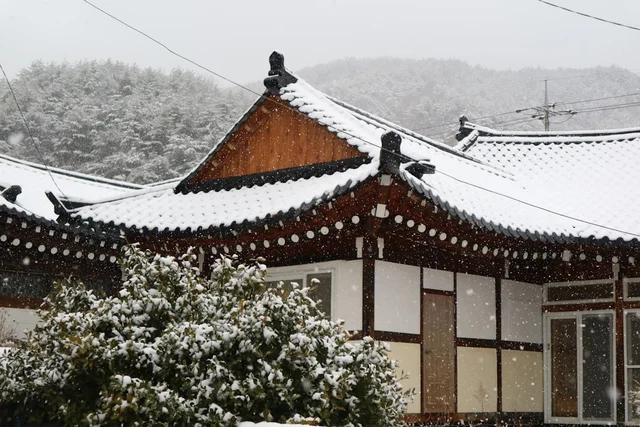
  • Hanok follows the principle of 'Baesanimsu,' building houses without damaging the natural terrain.
  • It optimizes for the four seasons by combining two opposing heating and cooling systems: Ondol (floor heating) and Maru (wooden floor).
  • It uses only natural materials such as wood, soil, and stone to create eco-friendly living spaces that are harmless to the human body.

Social values that prioritize community spirit

What stands out most in Korean culture and tradition is the spirit of 'Jeong' (affection) and community. The 'Pumasi' culture of helping each other within a village unit and the 'Dure' spirit of sharing during difficult times lead to the social solidarity of modern Korea. Furthermore, Confucian etiquette, which values age and hierarchy, serves as an important basis for maintaining social order, and this is still emphasized as an important virtue in corporate culture and school life today.

Traditional Decor Shop

SHOP THE LOOK: Traditional Decor Shop

How to properly understand Hanbok, the Korean clothing culture and tradition

Beyond just clothing, Hanbok is an important attire that symbolizes Korea's aesthetic sense and culture and tradition. The greatest feature of Hanbok lies in its unique structure that fits flat fabric to a three-dimensional body. Hanbok, where straight lines and curves harmonize, makes the wearer's movements elegant and shows the unique aesthetics of the five traditional colors (Obangsaek) through color contrast.

Structure of Hanbok and precautions when wearing

  • Understand the names of each part, such as the Jeogori (jacket), Chima (skirt), and Baji (pants), and adjust the knots to fit your body shape.
  • When dressing in traditional formal attire, wear Beoseon (socks) and Kkotshin (silk shoes) to complete the overall silhouette.
  • The key is to choose comfortable materials such as hemp, ramie, silk, or satin depending on the season.

Modern reinterpretations of Saenghwal Hanbok

Recently, 'Saenghwal Hanbok' (daily Hanbok), which can be worn comfortably in daily life, has become very popular. While maintaining the beauty of traditional designs, it is characterized by improvements such as using buttons or zippers to make it easy to put on and take off. If you want to enjoy Korean culture and tradition in your daily life, we recommend choosing a simple design rather than flashy decorations and mix-and-matching it with modern clothing.

Fermentation and storage: Completing Korean food culture and traditions

Korean food culture is characterized by a healthy tradition based on fermentation. Fermented foods such as Kimchi, Doenjang (soybean paste), Ganjang (soy sauce), and Gochujang (red chili paste) are essential elements that cannot be missed on the Korean table. These foods began with the wisdom of storing seasonal ingredients for a long time, and they are characterized by developing a deep flavor over time.

Nutritional value of Korean fermented foods

  • Kimchi is a representative traditional health food rich in lactic acid bacteria that helps with gut health.
  • Jang-ryu (soy sauce, soybean paste, red chili paste) is made by fermenting soybeans, making it rich in protein and essential amino acids.
  • The basic principle is to use seasonal ingredients for all dishes to balance nutrition.

Dining etiquette and meal culture

In Korean culture and tradition, a meal is not just an act of filling one's stomach, but an important time to communicate with family or acquaintances. There is a unique cutlery culture of using both a spoon and chopsticks, and the etiquette of waiting for the eldest to pick up their spoon before starting the meal is important. The culture of sharing various side dishes is well-developed, so a considerate attitude toward others is emphasized above all else during meals.

Frequently Asked Questions

What exactly does 'culture and tradition' mean?+

Culture and tradition is a comprehensive concept that includes the values, lifestyles, arts, language, and rituals that a society has shared for a long period. In the case of Korea, it refers to the unique spiritual and material heritage formed based on historical events and geographical environment, characterized by being passed down through generations while changing and developing into modern forms.

Where should I go to experience Korean culture and tradition?+

If you want to experience culture and tradition in depth, we recommend visiting Bukchon Hanok Village in Seoul, Gyeongbokgung Palace, or Jeonju Hanok Village. You can personally experience traditional Korean lifestyles through various programs such as staying in a traditional Hanok, renting Hanbok, and tea ceremonies, and you can also learn about the historical context through museums.

How can foreigners enjoy Korean culture and tradition in their daily lives?+

The easiest way to enjoy culture and tradition in your daily life is to try making traditional Korean foods like Kimchi or Bibimbap yourself. Also, listening to Gugak (traditional Korean music) or learning the Korean language to understand the etiquette and culture embedded in the language are great ways. Recently, using cosmetics based on traditional ingredients released by K-Beauty brands has also become a way to experience Korean aesthetics.

Share

Show us your style! Share with #kcultureworld on Instagram & TikTok.

About the author

김민중

Writes practical guides to Korean beauty and food for overseas readers — Olive Young, convenience stores, and how-to tips.

More from 김민중

Related Posts

A Guide to Korean Culture and Trends Through Dramas and Movies

Guides · 08/17/26

A Guide to Korean Culture and Trends Through Dramas and Movies

Dramas and movies are the fastest windows into the Korean lifestyle and sensibility. This guide provides practical ways to deeply understand and enjoy Korean culture through K-content, offering detailed insights into the food and beauty trends hidden within these productions.

Comments

No sign-up or login required.

No comments yet. Be the first to comment.