K-Culture World

Guides · 2026. 8. 10.

4 Key Guides to Understanding Korean Culture and Tradition

BY 김민중

4 Key Guides to Understanding Korean Culture and Tradition

What is the Unique Value of Korean Culture and Tradition

Korean culture and tradition refer to the unique spirit and lifestyle that have been passed down on the Korean Peninsula for a long time. These are not merely relics of the past, but a dynamic value system that still lives and breathes in the mindset and social relationships of modern Koreans. In particular, etiquette and a sense of community based on Confucian values act as important pillars that support Korean society.

Community Spirit and the Culture of Jeong

'Jeong,' which is considered important in Korean society, refers to a warm sense of attachment between people. This originated from the traditional village community culture and continues today through the food-sharing culture and the attitude of caring for one another.

  • The Aesthetics of Sharing: The culture of sharing food together is at the heart of Korean tradition.
  • The Language of Respect: The Korean honorific system prioritizes relationships with others.

Modern Interpretation of Confucian Traditions

Confucian teachings passed down from the Joseon Dynasty have a deep influence on the daily lives of modern Koreans. Ancestral rites, which honor elders and commemorate ancestors, serve as an important channel for promoting harmony within families. These values act as the foundation for forming individual moral standards and manners even in today's busy life, serving as a bridge for communication between generations.
Enjoying Korean Holidays and Seasonal Culture and Traditions

Korean holidays are the essence of culture and tradition, reflecting the changes of the seasons and the flow of an agrarian society. Seollal (Lunar New Year) and Chuseok (Harvest Festival), Korea's representative holidays, are times when families gather to thank their ancestors and share food. These holidays are more than just days off; they have become important cultural events that confirm and inherit Korean identity.

The Meaning of Seollal and Chuseok

Seollal marks the beginning of the year with the custom of eating tteokguk (rice cake soup), while Chuseok features the tradition of making songpyeon (rice cakes) to share the joy of the harvest. This food culture embodies the wish for health by utilizing the bounty of the season.

  • Seollal Customs: Performing sebae (deep bows) and sharing well-wishes to pray for blessings in the new year.
  • Chuseok Customs: Gazing at the full moon to make wishes and visiting ancestral graves for seongmyo (grave visits).

Seasonal Traditional Experiences

Korea has four distinct seasons, offering a variety of cultural events to enjoy throughout the year. From flower viewing in spring, health-boosting foods like samgyetang in summer, foliage viewing and harvest festivals in autumn, to the kimjang (kimchi-making) culture in winter, traditional lifestyles tailored to each season are still passed down today, providing special experiences for tourists.

The Harmony of Art and Culture and Tradition in Daily Life

Korean culture and tradition are enriched through artistic elements that can be easily encountered in daily life. Hanbok (traditional clothing), Hanok (traditional houses), Hangeul (Korean alphabet), and Gugak (traditional music) go beyond simple preservation, creating new value by combining with modern design. These elements serve as important mediums for introducing Korea's aesthetic sense to the world.

The Aesthetics of Hanbok and Hanok

Hanbok is a unique Korean attire where straight and curved lines harmonize, while Hanok is an eco-friendly architectural style that blends with nature. Recently, there has been an increasing trend of reinterpreting these traditional designs for modern use in everyday wear, cafes, and accommodations.

  • Design Value: The elegant colors of Hanbok and the wooden floor structure of Hanok provide inspiration for modern architecture and fashion.
  • Preservation and Innovation: Products that maintain tradition while adding modern functionality are gaining popularity.

Modern Inheritance of Traditional Arts

The melodies of traditional instruments like the gayageum or geomungo are being fused with modern music to create new genres. Additionally, traditional crafts such as mother-of-pearl lacquerware and ceramics are used as modern interior decor, conveying Korea's unique aesthetic sentiment into daily life. These artistic activities strengthen Korean identity and become a cultural language for communicating with people around the world.

Frequently Asked Questions

What is the best way to experience Korean culture and tradition?+

The best way to experience culture and tradition firsthand is to visit a royal palace in Seoul while wearing a Hanbok. Gyeongbokgung or Changdeokgung palaces showcase Korean architectural beauty, and in the nearby Bukchon Hanok Village, you can observe the structure of traditional houses and enjoy traditional tea. Also, if you visit during a holiday, you can participate in traditional folk game events or regional festivals to gain a deeper understanding of the Korean sentiment.

What are the characteristics related to food in Korean culture and tradition?+

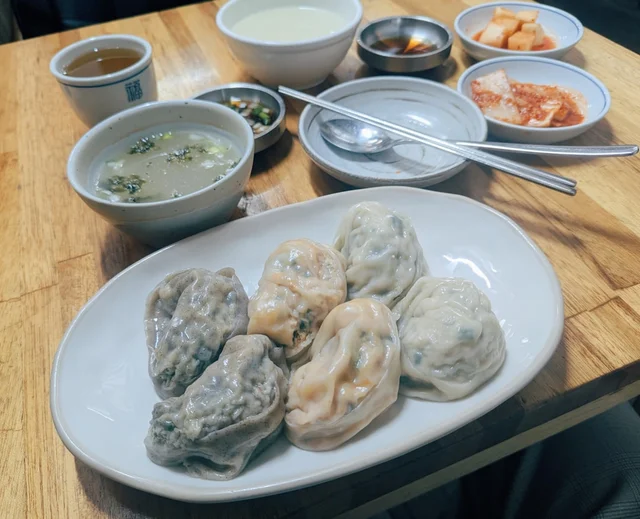
The core of traditional food lies in fermentation and harmony. Fermented foods like kimchi, doenjang (soybean paste), and ganjang (soy sauce) are the staples of the Korean table, embodying the wisdom of health-conscious living. Furthermore, the dining table setting, which includes rice, soup, and various side dishes, is a unique food culture that emphasizes nutritional balance and community spirit. This traditional table setting reflects both the Korean palate and health philosophy.

What should foreigners be aware of when learning about Korean culture and tradition?+

Having an attitude of respect for culture and tradition is most important. Korea is a society that values etiquette, so learning a few basics—such as manners when interacting with elders or dining etiquette—can help you communicate more smoothly with locals. For example, using both hands when handing an item to an elder is a small gesture that carries significant meaning in Korean society. Approaching with an open mind to learn about tradition will allow for a deeper cultural connection.

Share

Show us your style! Share with #kcultureworld on Instagram & TikTok.

About the author

김민중

Writes practical guides to Korean beauty and food for overseas readers — Olive Young, convenience stores, and how-to tips.

More from 김민중

Related Posts

A Guide to Korean Culture and Trends Through Drama and Film

Guides · 08/10/26

A Guide to Korean Culture and Trends Through Drama and Film

Dramas and films are the most effective windows into understanding Korean society, culture, and fashion. Explore the flow of Korean content and discover hidden fun elements through this viewing guide from K-Culture World.

Comments

No sign-up or login required.

No comments yet. Be the first to comment.