K-Culture World

Guides · 2026. 8. 8.

4 Essential Guides to Understanding Korean Culture and Traditions

BY 김민중

4 Essential Guides to Understanding Korean Culture and Traditions

The First Step to Understanding Korean Culture and Traditions

Korean culture and traditions embody unique values and philosophies formed over thousands of years. These are not merely relics of the past, but a living spirit still deeply embedded in the daily lives and mindsets of modern Koreans. To truly understand Korean culture, one must first look at the unique Korean sentiment that emphasizes harmony with nature and the importance of community.

A Life in Harmony with Nature

Traditional Korean philosophy views humans as a part of nature, recognizing it as a precious value to coexist with rather than an object to be conquered. This perspective has had a profound influence on Korean architecture, landscaping, and lifestyle arts as a whole.

  • The wisdom of placing buildings without altering the surrounding terrain
  • The use of windows and doors to bring the changes of the four seasons into the home
  • Creating household tools using natural materials that are harmless to the human body

The Value of Community Spirit and Etiquette

In Korean society, etiquette is not just a formality, but a fundamental means of communication that practices respect and consideration for others. The culture of honoring elders and sharing affection with neighbors remains an important virtue in modern society. These communal values shine even brighter during holidays or family events, serving as a vital link that connects communication between generations.
Aesthetic Values in Hanbok and Hanok

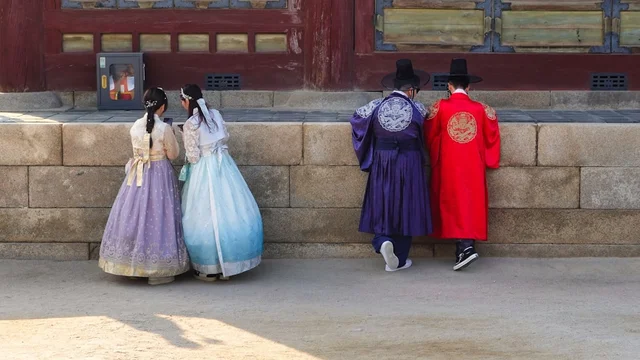
Hanbok and hanok, which represent Korean food, clothing, and housing, are the symbols that best visually showcase Korean culture and traditions. Korea's design philosophy, which emphasizes the harmony of curves and straight lines, is being creatively reinterpreted in today's modern fashion and architecture, garnering global attention.

The Curvature and Colors of Hanbok

Hanbok is constructed by fitting flat fabrics to a three-dimensional body, creating elegant curves that move with the wearer. It is characterized by its harmonious aesthetic sense based on the traditional five-color spectrum known as Obangsaek.

  • A structure that maximizes mobility while complementing the body shape
  • Temperature regulation through the selection of fabrics suitable for each season
  • The popularization of 'modern hanbok' that incorporates contemporary sensibilities

The Structure and Scientific Principles of Hanok

Hanok has perfected a housing form optimized for the Korean climate through unique structures like the ondol (floor heating) and maru (wooden floor). The structure of a hanok, which is warm in winter and cool in summer, serves as a model for modern eco-friendly architecture.

  • The scientific principle of floor heating through the ondol system
  • The cooling effect of the daecheong maru (main hall) that induces cross-ventilation
  • Maintaining indoor environments by utilizing the breathability and humidity-regulating properties of hanji (traditional paper)
Hanbok Styling Items

SHOP THE LOOK: Hanbok Styling Items

Wisdom of Fermentation and Health in Traditional Food

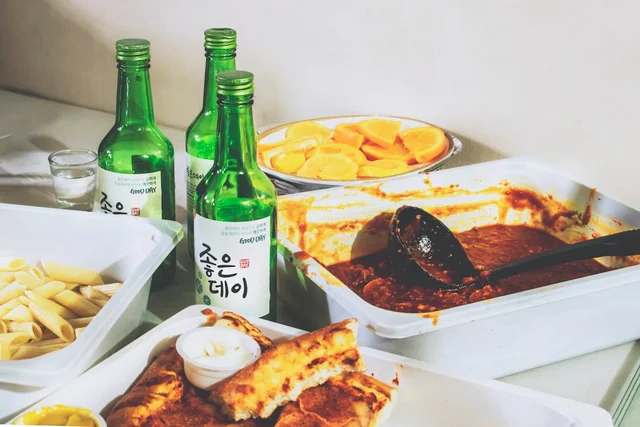
Korean food culture possesses unique traditions of fermentation that maximize the nutritional value and shelf life of ingredients. Kimchi, jang (sauces), and jeotgal (salted seafood) are essential elements of the Korean table. These foods go beyond simple nutrition, based on the philosophy that food and medicine share the same origin, aiming to prevent disease and promote health.

The Deep Flavor Created by Fermentation

Fermented foods, which grow deeper in flavor over time, symbolize the Korean aesthetic of patience and waiting. Jang varieties like ganjang (soy sauce), doenjang (soybean paste), and gochujang (red chili paste) are the foundation of all Korean cuisine, each boasting unique flavors passed down as secret family recipes.

  • Health benefits of fermented foods rich in probiotics and enzymes
  • Flavor combinations that bring out the natural taste of ingredients while adding deep umami
  • Methods of utilizing seasonal ingredients that change throughout the four seasons

Consideration and Etiquette at the Table

The Korean dining table is defined by a culture of sharing rather than eating alone. The process of sharing stews or side dishes and asking after one another's well-being is a time to confirm the Korean 'jeong' (affection). Additionally, table etiquette involving the use of spoons and chopsticks has become a concrete behavioral norm for practicing consideration for others.

Frequently Asked Questions

How can I enjoy Korean culture and traditions in my daily life?+

To enjoy Korean culture and traditions in daily life, you can start by visiting traditional markets to experience seasonal ingredients or taking a stroll through ancient palaces while wearing modern hanbok. We also recommend learning about the Korean tea culture or trying to make basic Korean side dishes at home to experience the Korean lifestyle firsthand.

What is 'Jeong', the core value of culture and tradition?+

'Jeong', which holds significant meaning in culture and tradition, refers to a deep bond and warm heart between people. It is a core term that permeates the Korean community spirit—such as sharing food with neighbors or treating others' difficulties as one's own—and acts as an invisible thread that sustains Korean society.

Where should foreigners visit to deeply learn about Korean culture and traditions?+

If you want to deeply learn about Korean culture and traditions, it is best to visit historical sites like Bukchon Hanok Village or Gyeongbokgung Palace in Seoul to see traditional architecture in person. We also recommend systematically studying the history of Korean life through the Korea Furniture Museum or the National Folk Museum of Korea, and visiting traditional villages in the provinces to experience the unique culture of each region.

Share

Show us your style! Share with #kcultureworld on Instagram & TikTok.

About the author

김민중

Writes practical guides to Korean beauty and food for overseas readers — Olive Young, convenience stores, and how-to tips.

More from 김민중

Related Posts

A Guide to Learning Korean Culture and Trends Through Drama and Film

Guides · 08/08/26

4 Ways to Enjoy K-Culture Through Dramas and Movies

Dramas and movies are the most effective gateway to understanding Korean culture. This guide introduces the charm of Korean video content, key viewing points to enrich your experience, and specific methods for identifying K-culture trends.

Comments

No sign-up or login required.

No comments yet. Be the first to comment.