K-Culture World

Guides · 2026. 8. 11.

4 Key Guides to Understanding Korean Culture and Traditions

BY 김민중

4 Key Guides to Understanding Korean Culture and Traditions

What are the core values of Korean culture and tradition?

To understand Korean culture and traditions, one must look at the Confucian values and community spirit at their roots. Since ancient times, Korean society has considered respecting family and elders, as well as living in harmony with nature, to be the highest virtues. This spirit remains intact in the etiquette and communication styles of modern Koreans.

Community spirit and the Dure tradition

The traditional Korean community culture stems from the spirit of mutual aid. The 'Dure' culture, where villagers cooperated to farm, has had a significant impact on modern teamwork and organizational culture. The culture of helping one another during difficult times has become the foundation for the strong bonds seen among Koreans today.

A culture of etiquette and respect

Traditional Korean etiquette is deeply ingrained in language and behavior. In particular, the attitude toward elders and table manners are ways of expressing respect for others. These cultural characteristics, which foreign visitors experience first upon arriving in Korea, are essential elements in maintaining order in Korean society.

  • Learn honorifics used when addressing elders
  • Wait for the eldest person to pick up their spoon before starting a meal
  • Maintain quietness and consideration for others in public spaces
Korean Etiquette Books

SHOP THE LOOK: Korean Etiquette Books

How to experience Korean culture and traditions in daily life

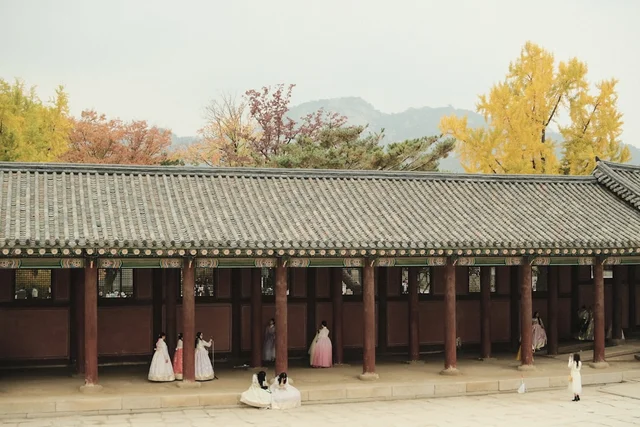
Experiencing Korean traditions firsthand is the fastest way to understand the culture deeply. By participating rather than just observing, you can internalize the meanings embedded within. Visiting royal palaces like Gyeongbokgung or Changdeokgung while wearing a Hanbok is a quintessential way to experience Korea's history and aesthetics.

The meaning of wearing Hanbok

Hanbok is Korea's traditional clothing, a beautiful attire where straight lines and curves harmonize. Beyond just being beautiful, it is a scientific garment designed with consideration for the physical characteristics and activity levels of the Korean people. Wearing a Hanbok when visiting royal palaces often grants free admission, making it a popular experience for foreign tourists.

Exploring traditional markets and Hanok villages

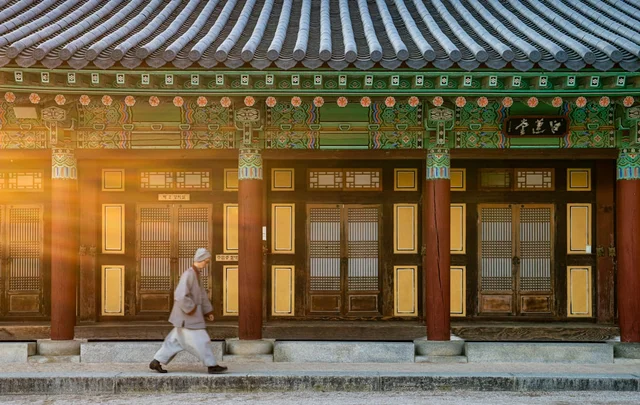
Traditional markets are places where you can see Korean food culture and daily life up close. Walking through market alleys, tasting traditional foods, and interacting with merchants allows you to feel the warmth of the Korean 'jeong' (affection). Additionally, Hanok villages are the perfect places to appreciate the structure of traditional houses and Korean architectural aesthetics.

  • Visit Gyeongbokgung during a night opening to enjoy the palace nightscape
  • Explore the structure of traditional houses in Bukchon Hanok Village
  • Taste local foods like pajeon and makgeolli at traditional markets

Understanding Korean culture, traditions, and seasonal customs through holidays

Korean holidays are important venues for culture and tradition where people thank their ancestors and gather as a family to share affection. During major holidays like Seollal (Lunar New Year) and Chuseok (Korean Thanksgiving), unique foods and games are enjoyed, and these customs have been passed down through generations. Understanding the meaning of these holidays allows for a clearer grasp of Korean family values and perspectives.

Differences between Seollal and Chuseok

Seollal marks the beginning of the year and involves eating tteokguk (rice cake soup), symbolizing becoming one year older. Conversely, Chuseok is a harvest festival to thank ancestors, where people make and share songpyeon (rice cakes). Both holidays share the core tradition of families gathering to perform ancestral rites and exchange well-wishes.

Traditional games and folk culture

During holidays, people enjoy various traditional games such as Yutnori, kite flying, and Ganggangsullae. These games go beyond simple entertainment, serving to strengthen community harmony and pray for abundance. In modern times, these games have evolved into festivals or cultural events that are easily accessible to everyone.

  • Enjoy Yutnori with family during Seollal
  • Participate in a songpyeon-making experience during Chuseok
  • Check schedules for regional folk festivals in Korea during holidays
Traditional Game Sets

SHOP THE LOOK: Traditional Game Sets

Frequently Asked Questions

What is culture and tradition, and what do they mean to Koreans?+

Culture and tradition refer to the lifestyles and values accumulated by a society over a long period. To Koreans, this is not just a legacy of the past, but a deep-rooted spiritual foundation that shapes human relationships, etiquette, and identity in modern society. It remains alive and breathing in the lives of Koreans who value respecting ancestors and maintaining community harmony.

Where is the best place to experience Korean culture and traditions?+

The best places to experience culture and tradition are the royal palaces in Seoul (Gyeongbokgung, Changdeokgung) and the Bukchon Hanok Village. Here, you can appreciate the beauty of traditional architecture and experience Korean clothing culture firsthand through Hanbok. Also, visiting traditional markets across the country is highly recommended to vividly feel Korean food culture and folk atmosphere.

What should foreigners be aware of when learning about Korean culture and traditions?+

When learning about culture and tradition, one should first consider politeness and respect for others. It is helpful to be aware of language etiquette when addressing elders or basic dining etiquette. Since Korea is a society that values manners highly, showing small gestures of consideration and a polite attitude will help you share deeper and warmer interactions with Koreans.

Share

Show us your style! Share with #kcultureworld on Instagram & TikTok.

About the author

김민중

Writes practical guides to Korean beauty and food for overseas readers — Olive Young, convenience stores, and how-to tips.

More from 김민중

Related Posts

A Guide to Korean Culture and Trends Through Dramas and Movies

Guides · 08/11/26

A Guide to Korean Culture and Trends Through Dramas and Movies

Dramas and movies are the fastest and most enjoyable windows into understanding Korean culture. This guide provides an in-depth analysis of social phenomena, food, fashion, and linguistic nuances found in K-content, offering key points to look out for while watching.

Comments

No sign-up or login required.

No comments yet. Be the first to comment.