K-Culture World

Guides · 2026. 8. 4.

4 Essential Guides to Understanding Korean Culture and Traditions

BY 김민중

4 Essential Guides to Understanding Korean Culture and Traditions

What are the Core Values Defining Korean Culture and Traditions

Korean culture and traditions encompass unique values and philosophies formed over thousands of years. These are not merely relics of the past, but life attitudes deeply embedded in the daily lives and mindsets of modern Koreans.

Confucian Values and Community Spirit

Confucian values form the foundation of traditional Korean society. This is reflected in a culture that emphasizes family harmony, respect for elders, and social order. This spirit still plays a significant role in modern organizational culture and interpersonal relationships, serving as the basis for the unique cohesion seen in Korean society.

  • Etiquette-focused communication styles and attitudes
  • A spirit of cooperation that prioritizes communal interests
  • Ancestral rites that honor ancestors and strengthen family bonds

A Philosophy of Harmony with Nature

Traditional Korean architecture and art adopt a method of embracing nature rather than defying it. As seen in the structure of Hanok houses or the expression of landscape paintings, there is a strong recognition that humans are a part of nature. This philosophy translates into modern interests in environmental protection and sustainable living. It is characterized by an emphasis on restraint and the beauty of empty space rather than artificial extravagance.

  • Traditional architectural techniques utilizing natural materials
  • Lifestyles that reflect the changing seasons
  • Artistic sensibility and the beauty of restraint that highlights the aesthetic of empty space
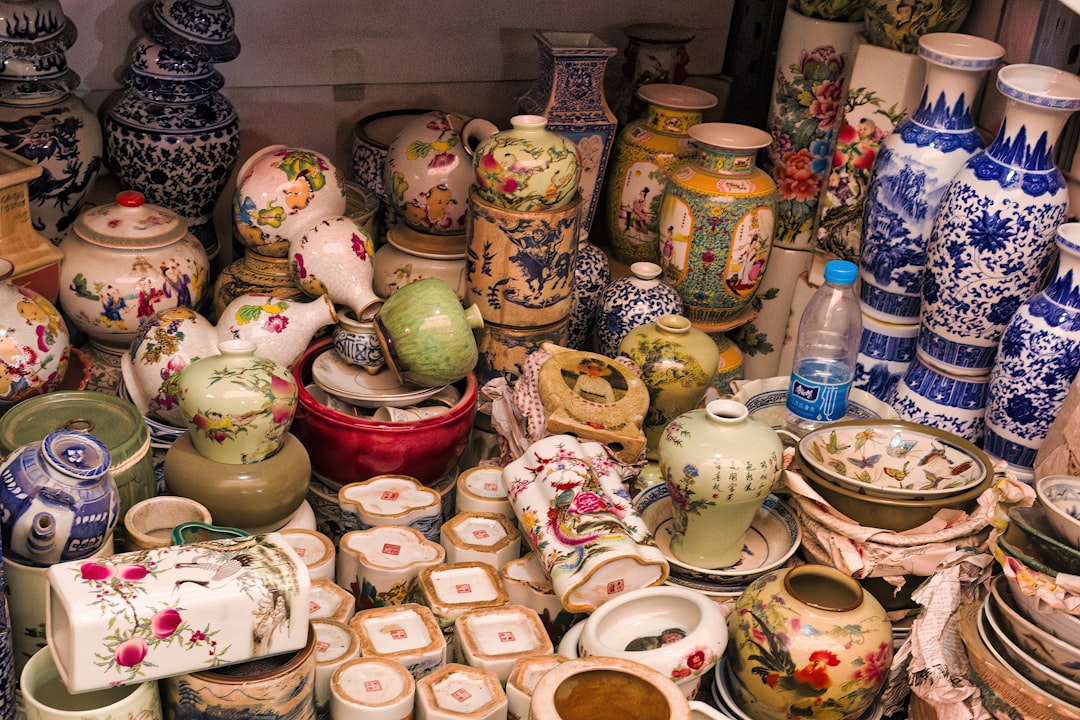
Shop Traditional Goods

SHOP THE LOOK: Shop Traditional Goods

The Wisdom of Fermentation and Preservation in Korean Food Culture

Korean food culture and traditions involve a unique process of fermenting ingredients sourced from nature to draw out deep flavors. This is more than just a culinary technique; it is the culmination of scientific wisdom from ancestors who sought to preserve the nutrition of the seasons and maintain health.

Fermentation Science Represented by Kimchi and Jang

Kimchi, doenjang (soybean paste), ganjang (soy sauce), and gochujang (red chili paste)—staples of the Korean table—are all created through fermentation. These fermented foods are rich in probiotics, which help boost immunity, and their long shelf life makes them the optimal diet for Korea's distinct four-season climate.

  • Nutritional value and health benefits of fermented foods
  • Various types of kimchi and preparation methods by region
  • Basic principles of traditional Korean cuisine using fermented pastes

Principles and Etiquette of Korean Table Settings

Korean table settings emphasize the harmony of Yin and Yang and the Five Elements. Using ingredients of five colors to achieve a healthy balance, the composition of rice accompanied by soup and side dishes is nutritionally excellent. Traditional dining etiquette, such as waiting for the eldest to pick up their spoon before starting, is still considered important.

  • Healthy meal composition using the five traditional colors
  • Dining etiquette and the meaning of communal eating culture
  • Seasonal health foods utilizing fresh ingredients
Traditional Tableware

SHOP THE LOOK: Traditional Tableware

Inheriting Korean Culture and Traditions Through Clothing and Holidays

Traditional Korean clothing, Hanbok, and holiday customs are symbols that best represent the identity of the Korean people. The curved beauty of Hanbok and the communal events of holidays are not just events to commemorate the past, but are being reinterpreted and continued in their value today.

The Aesthetics of Curves in Hanbok

Hanbok is clothing that maximizes elegance through the harmony of straight lines and curves. The silhouette, which flows naturally with the body's movements, represents the aesthetic sense of the Korean people. In modern times, modernized 'daily Hanbok' designed for comfort in everyday life has gained immense popularity among the younger generation.

  • Components of Hanbok and the order of wearing them
  • Traditional meanings embedded in fabrics and colors
  • Modernized daily Hanbok reinterpreted with contemporary designs

Holiday Customs of Seollal and Chuseok

Seollal (Lunar New Year) and Chuseok (Korean Thanksgiving) are Korea's representative holidays where families gather to thank their ancestors and wish each other well. People perform ancestral rites and enjoy traditional games like Yutnori and Ganggangsullae to reaffirm their community bonds. These customs remain important occasions for confirming love between family members in modern society.

  • Understanding holiday food preparation and ancestral rite culture
  • Traditional game experiences that foster intergenerational communication
  • The spirit of filial piety and sharing practiced through holidays
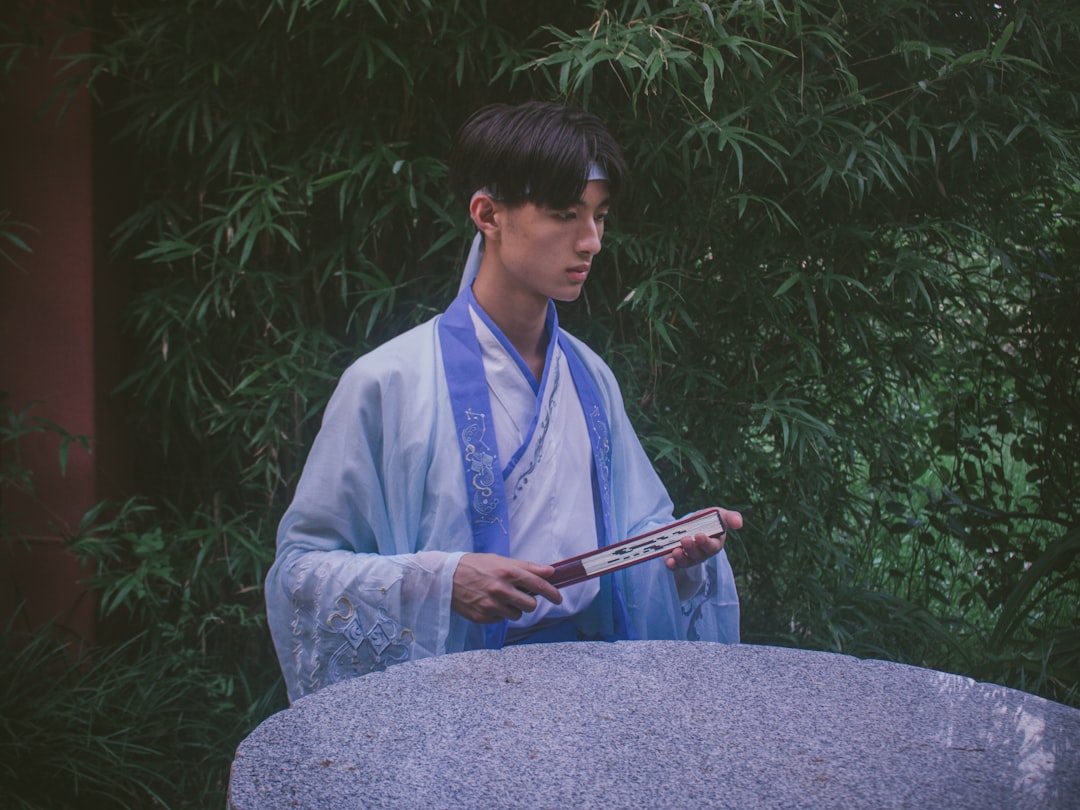
Hanbok and Accessories

SHOP THE LOOK: Hanbok and Accessories

Frequently Asked Questions

What is the best way to experience Korean culture and traditions?+

The most immersive way to experience culture and traditions is to visit a historic Korean palace while wearing a Hanbok, or to taste local food at a traditional market. We also recommend experiencing traditional lifestyles firsthand through tea ceremonies or kimchi-making classes offered by Korean temples or cultural centers.

What role does Confucianism play in Korean culture and traditions?+

Confucianism forms the basis of Korean etiquette, family relationships, and social order. Confucian values—which emphasize respect for elders, family harmony, and an honest, upright attitude—still act as important behavioral guidelines in interpersonal relationships and organizational culture in modern Korean society.

What activities do you recommend for foreigners to understand Korean traditional culture?+

To understand Korean traditional culture, we recommend visiting during major holidays like Seollal or Chuseok to experience holiday foods and games. We also suggest visiting a kimchi museum or attending regularly held traditional performances to witness the depth of Korea's unique artistry firsthand.

Share

Show us your style! Share with #kcultureworld on Instagram & TikTok.

About the author

김민중

Writes practical guides to Korean beauty and food for overseas readers — Olive Young, convenience stores, and how-to tips.

More from 김민중

Related Posts

Comments

No sign-up or login required.

No comments yet. Be the first to comment.