
K-Culture World

Guides · 2026. 9. 19.

A Guide to Korean Culture and Trends Through Drama and Film

BY 김민중

A Guide to Korean Culture and Trends Through Drama and Film

Discovering Daily Life in Korean Drama and Film

As Korean drama and film content has gained immense popularity through global platforms, interest in the everyday scenes depicted in these works has also risen. Beyond watching for mere entertainment, observing the Korean society beyond the screen is the best way to understand K-culture. In particular, the places Koreans frequent, their ways of communicating, and the subtle conflict structures in human relationships reflect a slice of actual Korean society.

The Meaning of Everyday Spaces

  • Convenience Stores: In Korean dramas and films, convenience stores frequently appear as important places where protagonists share concerns or take a break while eating ramen.
  • Parks and the Han River: These locations showcase the Korean lifestyle of enjoying nature within the city, often captured in scenes featuring night walks or picnics.
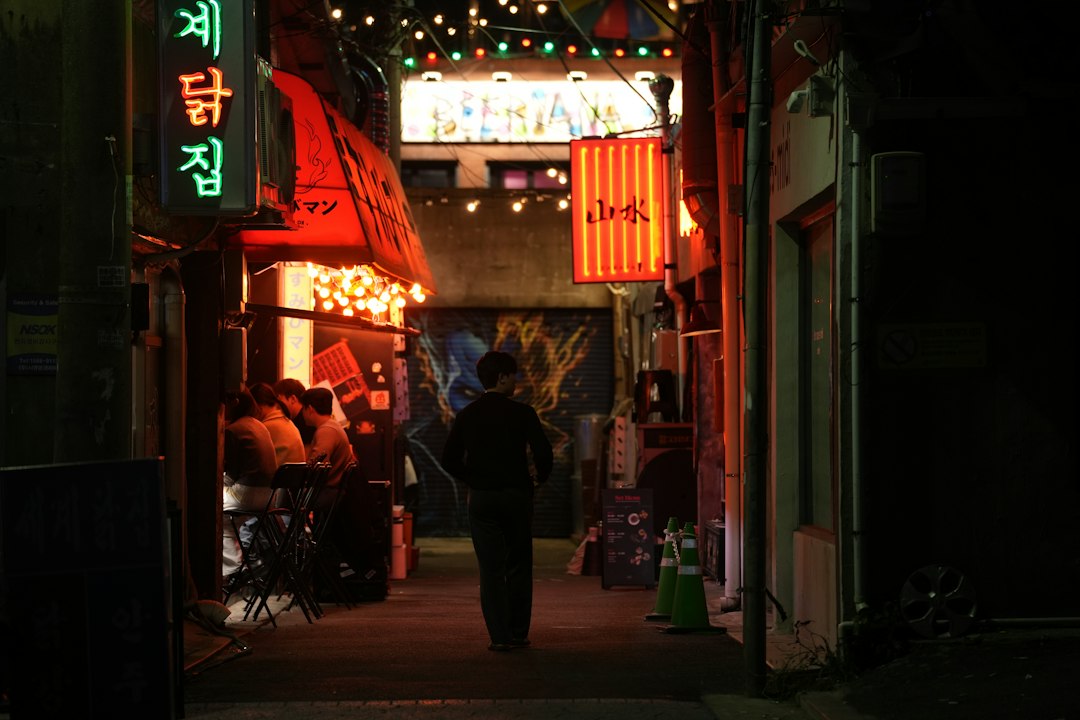
  • Alleys and Residential Areas: These are used as spaces that symbolize Korea's unique housing forms and heartwarming neighborly relationships.

Understanding Social Context

Through the situations characters face, one can glimpse social issues such as Korea's zeal for education, job market difficulties, and family-centered culture. For example, conversations or etiquette during meals are indicators of how Korea's Confucian traditions harmonize with modern society. Understanding this context allows viewers to empathize deeply with the unique sentiments of Korea beyond the simple storyline.

Exploring K-Food Gastronomy in Drama and Film

Korean dramas and films are always filled with eye-catching food. The dishes that protagonists enjoy are not just props, but important mediums that express Korean sentiment and the changing seasons. Recently, as overseas interest in K-food has exploded, more viewers want to experience the food they see on screen for themselves.

Representative Foods to Enjoy While Watching

  • Bunsik (Snacks): Tteokbokki and fried snacks are the most frequently appearing treats in dramas and films, often called the soul food of Koreans.
  • Traditional Full-Course Meals: Dishes like bibimbap, bulgogi, and japchae, which families gather to eat on holidays or special occasions, symbolize Korea's heartfelt food culture.
  • Street Food: Seasonal street foods like bungeoppang (fish-shaped bread) and hotteok (sweet pancakes) are used as devices to trigger nostalgic memories for the characters.

Reading Korean Sentiment Through Food

For Koreans, a meal is not just an act of filling one's stomach, but a 'process of sharing affection.' Scenes where people share a stew or place side dishes on each other's spoons are unique cultural markers of intimacy. By observing these scenes closely, one can naturally understand the deep meaning behind why Koreans greet each other by asking, 'Have you eaten?'

K-Food Meal Kits

SHOP THE LOOK: K-Food Meal Kits

K-Beauty and Fashion Styling in Drama and Film

Drama and film are the media that spread Korea's latest beauty trends and fashion sense the fastest. The makeup, hairstyles, and outfits of lead actors instantly become trends, drawing attention from beauty enthusiasts worldwide. The core of Korean beauty style is the 'natural look,' which is both effortless and precisely covers imperfections.

Beauty Point Analysis

  • Glass Skin Makeup: Base makeup techniques that highlight the skin's natural glow are a staple for leading ladies in dramas and films.
  • Point Lip Colors: A style that balances natural makeup with a vivid lip color is considered the gold standard of Korean beauty.
  • Hair Styling: Actors' hairstyles reflect their characters' personalities, showcasing trendy changes like natural waves or neat bobs.

The Harmony of Fashion and Lifestyle

Costumes in these works represent a character's occupation and social standing. From office wear to comfortable loungewear, Korean fashion pursues both practicality and aesthetics simultaneously. Referencing the brands or styles worn by protagonists is the fastest and most accurate way to grasp modern Korean aesthetic standards.

Frequently Asked Questions

How can I better understand Korean culture through dramas and films?+

To deeply understand the culture in dramas and films, it is helpful to first look at the relationships and etiquette between the characters. If you familiarize yourself with the Korean honorific system, family titles, and dining etiquette beforehand, you can more accurately grasp the hidden meanings and emotional lines in the dialogue, while learning about the unique values of Korean society.

Where can I experience the K-food often seen in dramas and films?+

The K-food frequently seen in dramas and films can be easily found at local Korean grocery stores or restaurants. Recently, you can also purchase bibimbap ingredients or tteokbokki meal kits via online shopping malls to cook them easily at home. Cooking the food you saw in a show is a very practical way to experience the taste and sentiment of Korea.

Are there tips for recreating the makeup styles of actors from dramas and films?+

To recreate the makeup of actors in dramas and films, you should first focus on skin texture. Since the core of Korean beauty is creating a clear and transparent skin base, it is important to apply a moisturizing cushion foundation thinly in multiple layers. Afterward, draw your eyebrows softly in a straight shape to match their natural form, and use a gradient technique on your lips to add a natural flush to complete the Korean makeup style.

Share

Show us your style! Share with #kcultureworld on Instagram & TikTok.

About the author

김민중

Writes practical guides to Korean beauty and food for overseas readers — Olive Young, convenience stores, and how-to tips.

More from 김민중

Comments

No sign-up or login required.

No comments yet. Be the first to comment.